Details
Bee hummingbird
Mellisuga helenae
- Size
- 5–6 cm · 2–3 g
- Diet
- Nectarivore
- Activity
- Diurnal
- Sociality
- Solitary
- Lifespan
- —
A Cuban endemic and the smallest known bird, moving from flower to flower for nectar and tiny insects.
View in catalogDetails
Mellisuga helenae
A Cuban endemic and the smallest known bird, moving from flower to flower for nectar and tiny insects.
View in catalogMap: Ecoregions 2017 © RESOLVE (CC BY 4.0) · Natural Earth (PD)
Lives in Cuban forests, edges, shrubland, and gardens, especially where flowers are abundant from coastal areas to inland valleys.
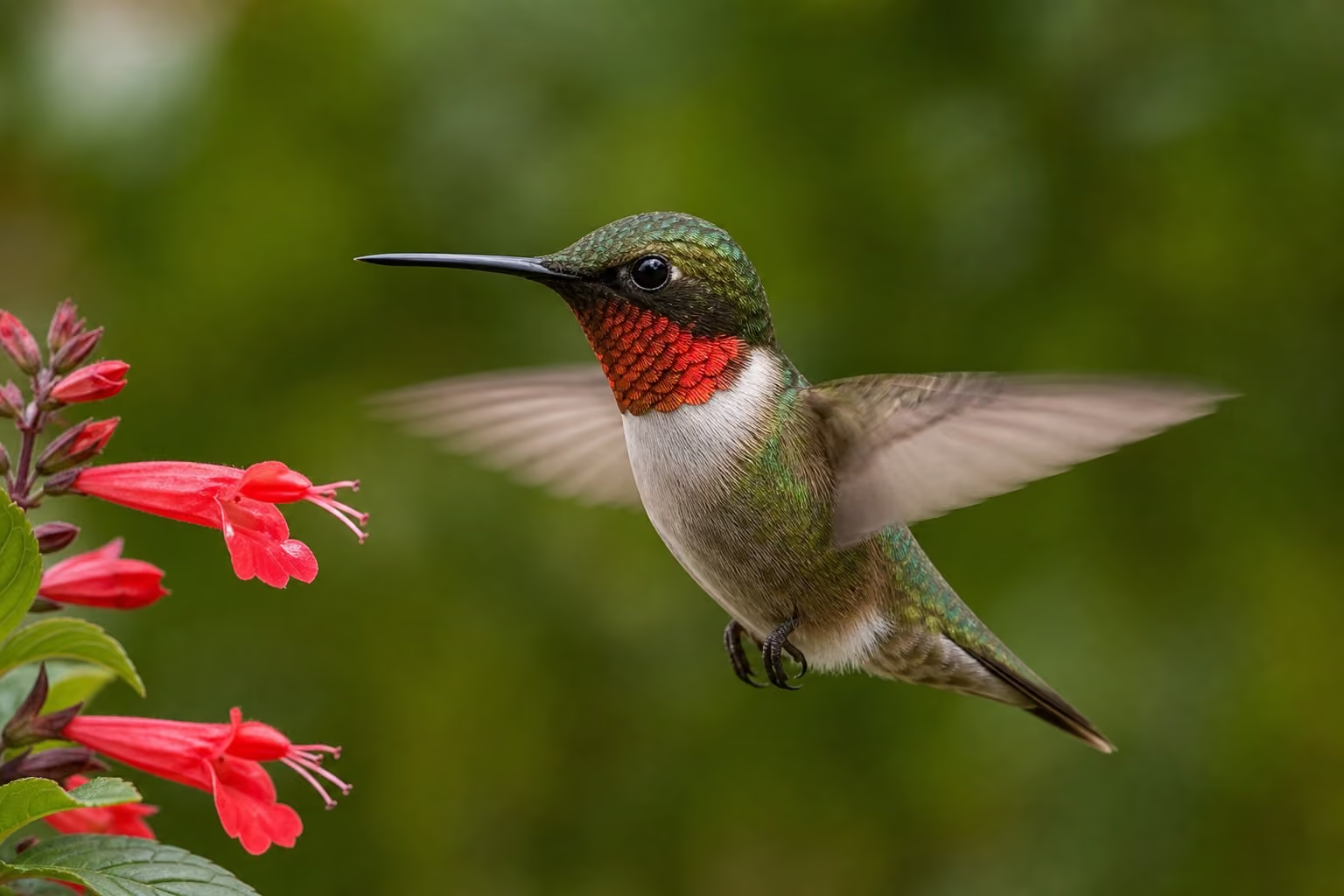
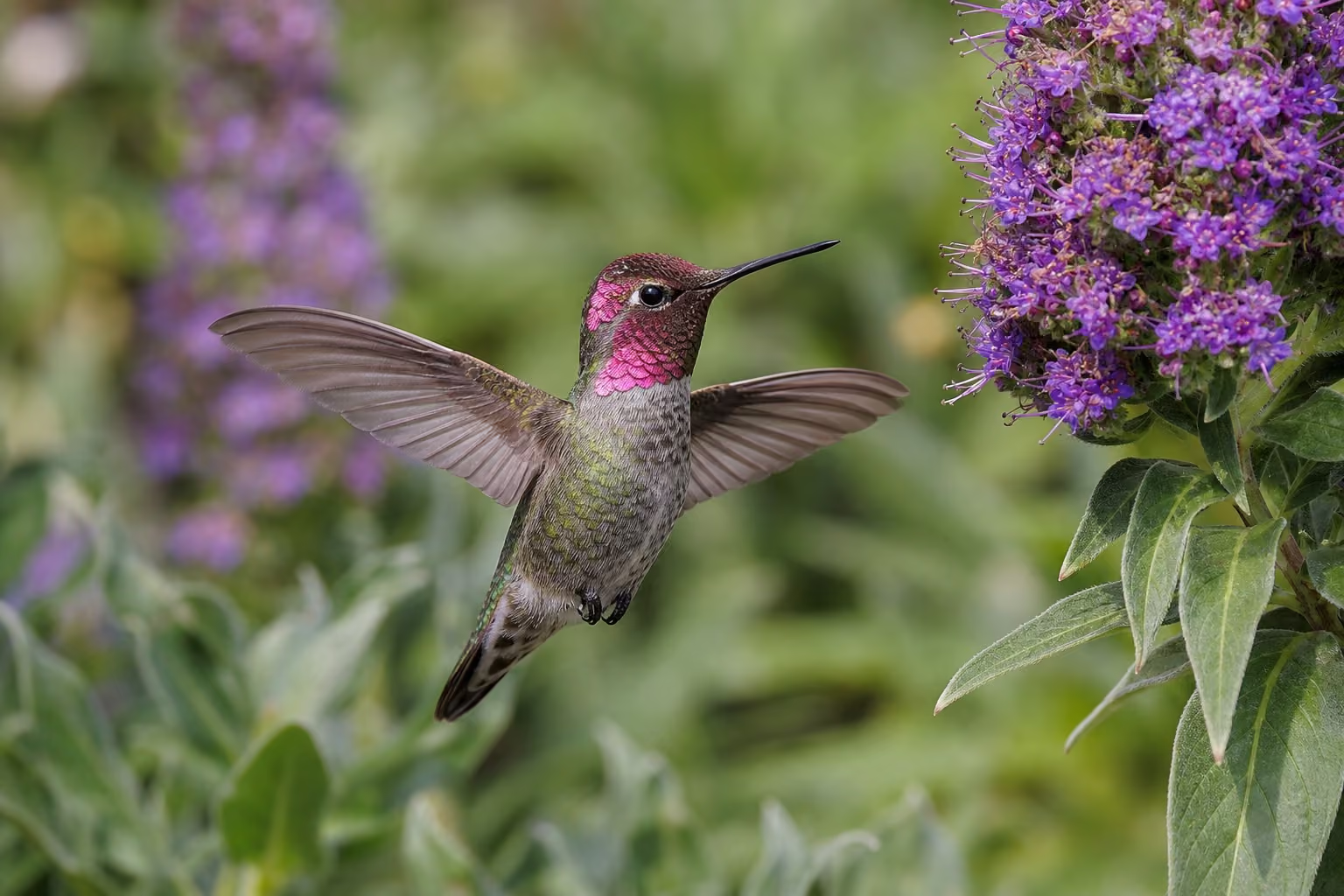
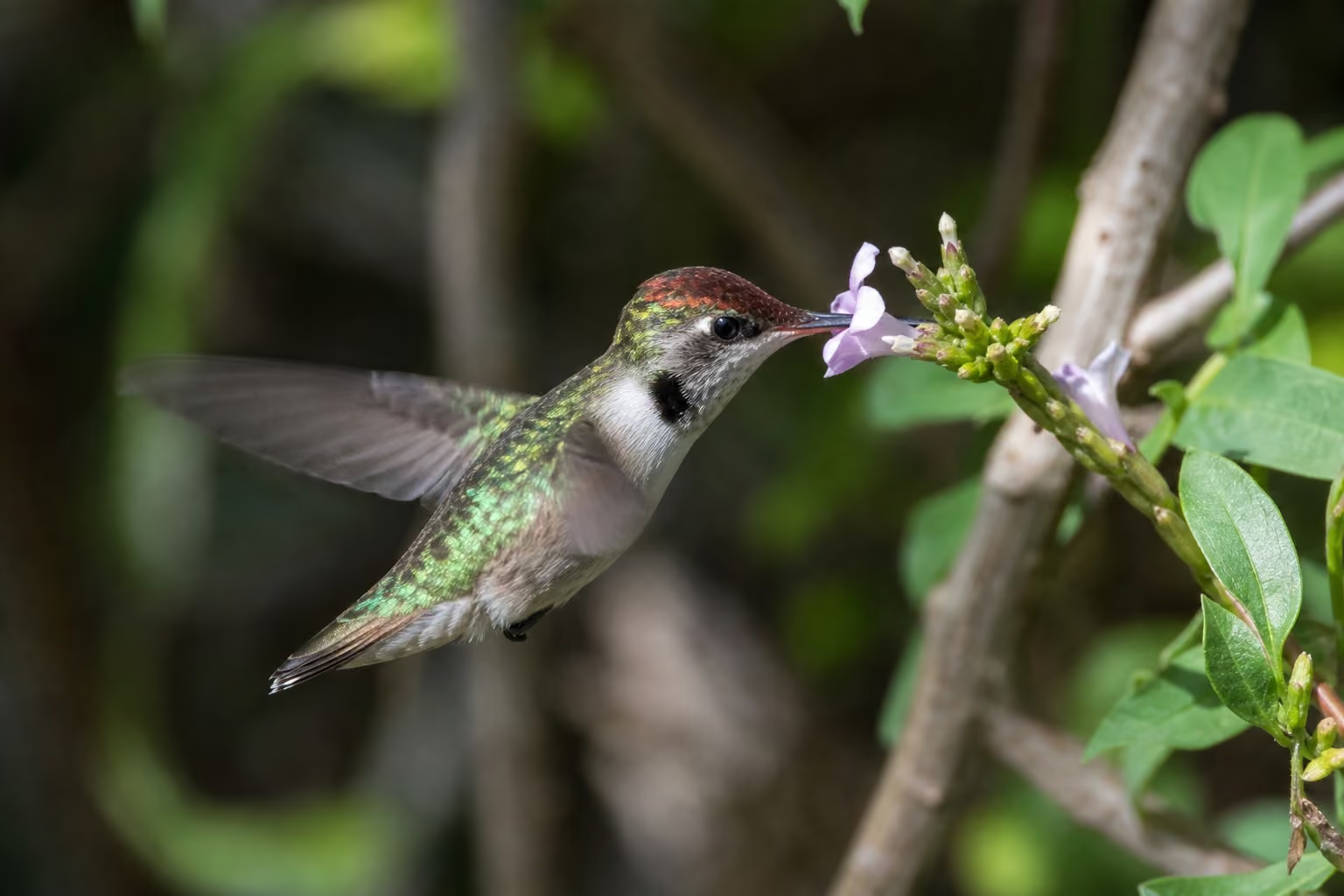
Only a few centimeters long, males show metallic red and blue-green colors, while females are greener above and pale below.
It beats its wings rapidly and hovers at flowers, defending small feeding territories from other hummingbirds.
Nectar is the main food, supplemented by tiny insects and spiders. A long bill and tongue draw nectar from flowers.
Females build tiny cup nests from plant fibers and spider silk. The eggs are minute, and the female raises the young.
Habitat loss has made it Near Threatened, and its role as a pollinator is as important as its tiny size.