Anna's hummingbird

Details

Anna's hummingbird

Calypte anna

Size
9–11 cm · 3–6 g
Diet
Nectarivore
Activity
Diurnal
Sociality
Solitary
Lifespan
5–8 years

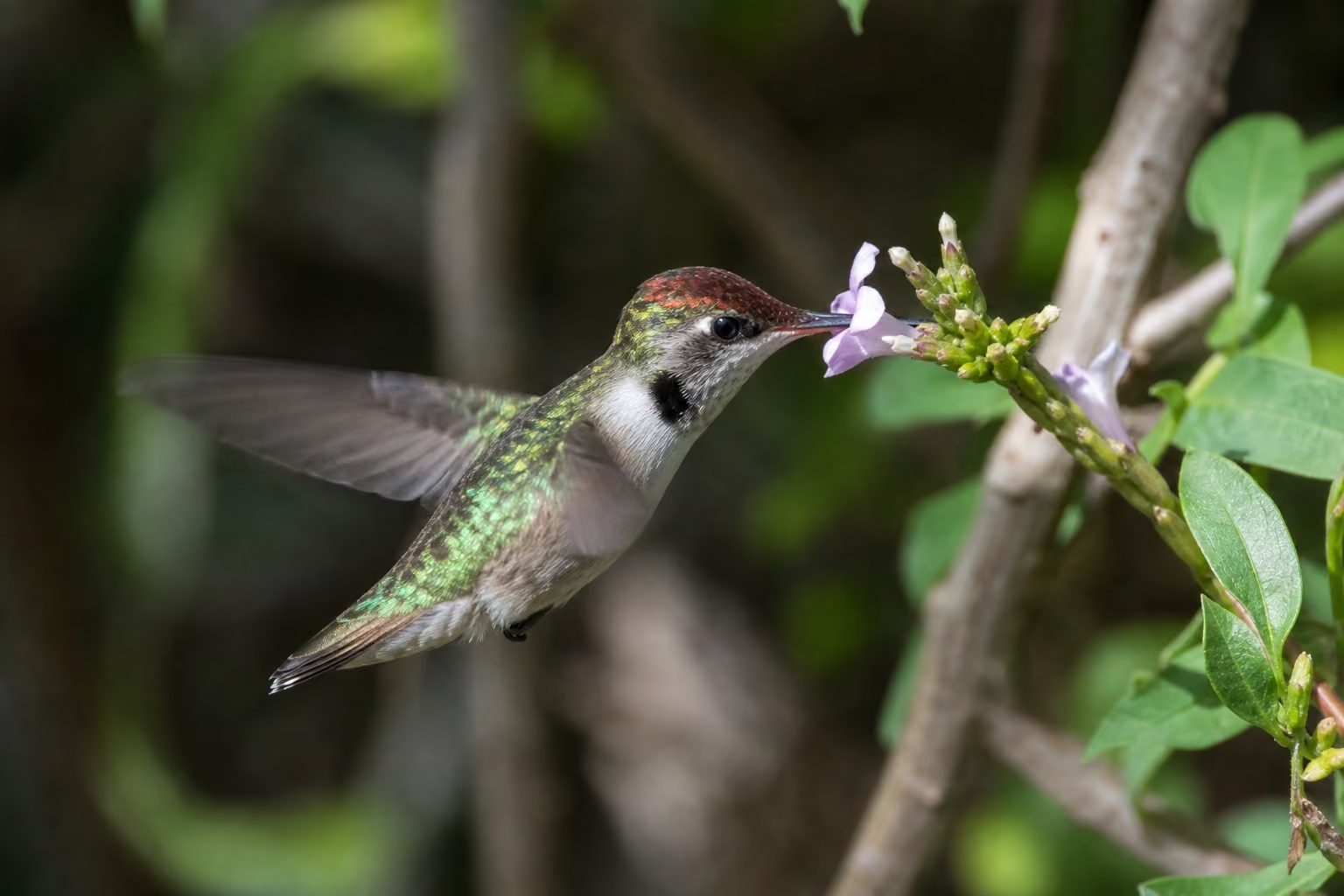
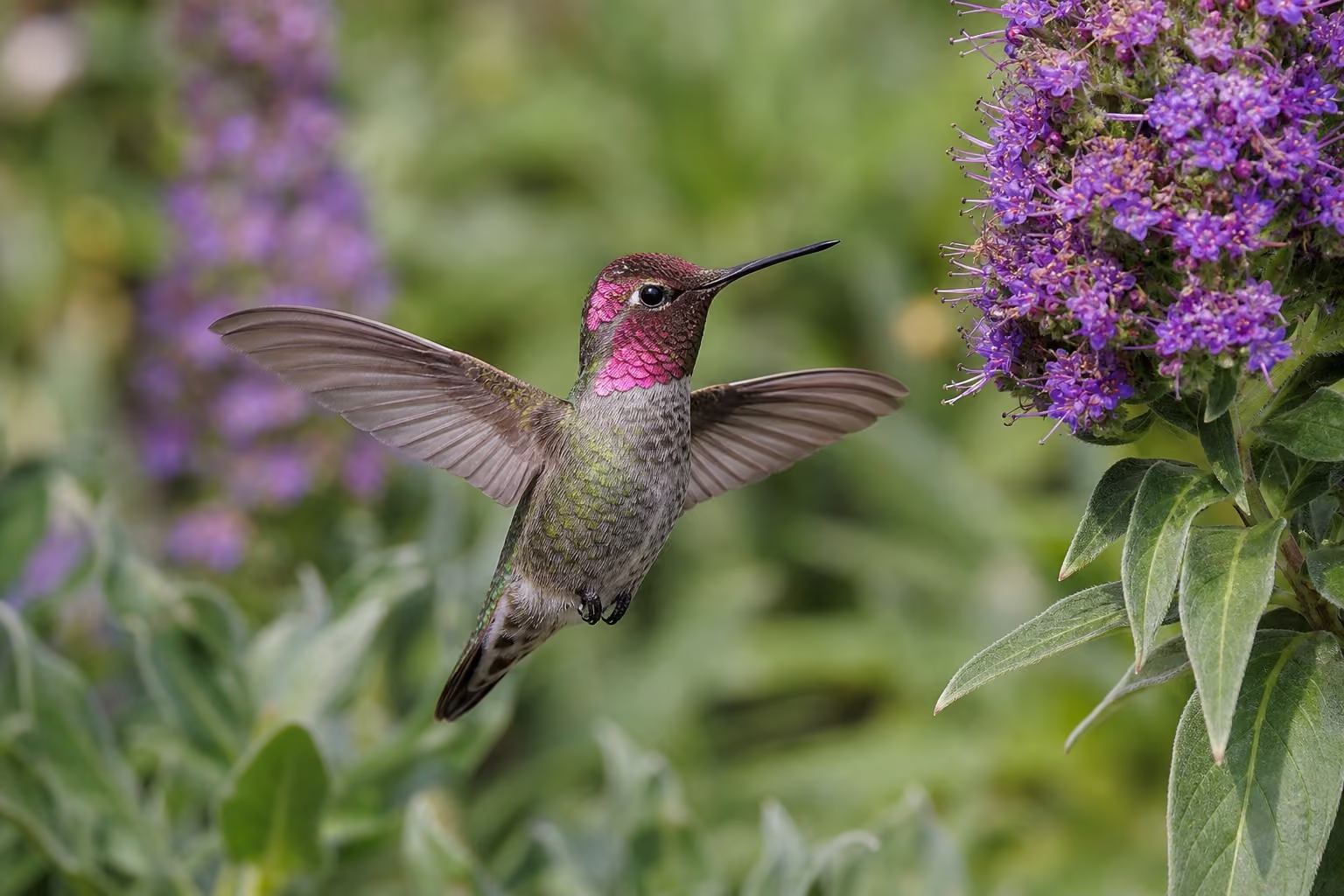
Anna's hummingbird is a small hummingbird of western North America. Males are known for a metallic rose-red head and throat and for dramatic diving displays.

View in catalog
Key facts

  • Anna's hummingbird (Calypte anna) is a nectarivore animal classified as Bird · Apodiformes · Trochilidae.
  • Primary habitats are urban · forest · grassland, with a range across Nearctic.
  • Activity is diurnal, sociality is solitary, and conservation status is LC (Least Concern).
  • Anna's hummingbird is a small hummingbird of western North America.
  • It uses coastal scrub, edges, gardens, parks, and flower-rich urban areas.
  • Typical lifespan: 5–8 years

Range

Habitat range map
Native rangeOccasional / Transient
NearcticNearcticNearcticNearcticNearcticNearcticNearcticNearcticNearcticNearcticNearcticNearcticNearcticNearcticNearcticNearcticNearcticNearcticNearcticNearcticNearcticNearcticNearcticNearcticNearcticNearcticNearcticNearcticNearcticNearcticNearcticNearcticNearcticNearcticNearcticNearcticNearcticNearcticNearcticNearcticNearctic

Map: Ecoregions 2017 © RESOLVE (CC BY 4.0) · Natural Earth (PD)

Details

Habitat

It uses coastal scrub, edges, gardens, parks, and flower-rich urban areas. Where winter flowers or feeders are available, some birds remain year-round.

Appearance

Length is 9-11 cm and weight 3-6 g. Males have an iridescent rose-red head and throat, while females are green above and pale below; the bill is long, thin, and straight.

Behavior

Diurnal and largely solitary, it defends flowers and feeding territories. Males climb high, then dive steeply, producing a sharp sound with the tail feathers.

Feeding

A nectarivore, it drinks with a long tongue through a slender bill. Small insects and spiders are also taken as protein-rich food.

Reproduction

The female builds a tiny cup nest from plant down and spider silk. She incubates and raises the young, feeding them nectar and small insects.

Notes

It is listed as Least Concern. Flower gardens and feeders have helped it adapt well to suburban and urban habitats.