Alligator snapping turtle

Details

Alligator snapping turtle

Macrochelys temminckii

Size
35–80 cm · 70–100 kg
Diet
Carnivore
Activity
Nocturnal
Sociality
Solitary
Lifespan
70–100 years

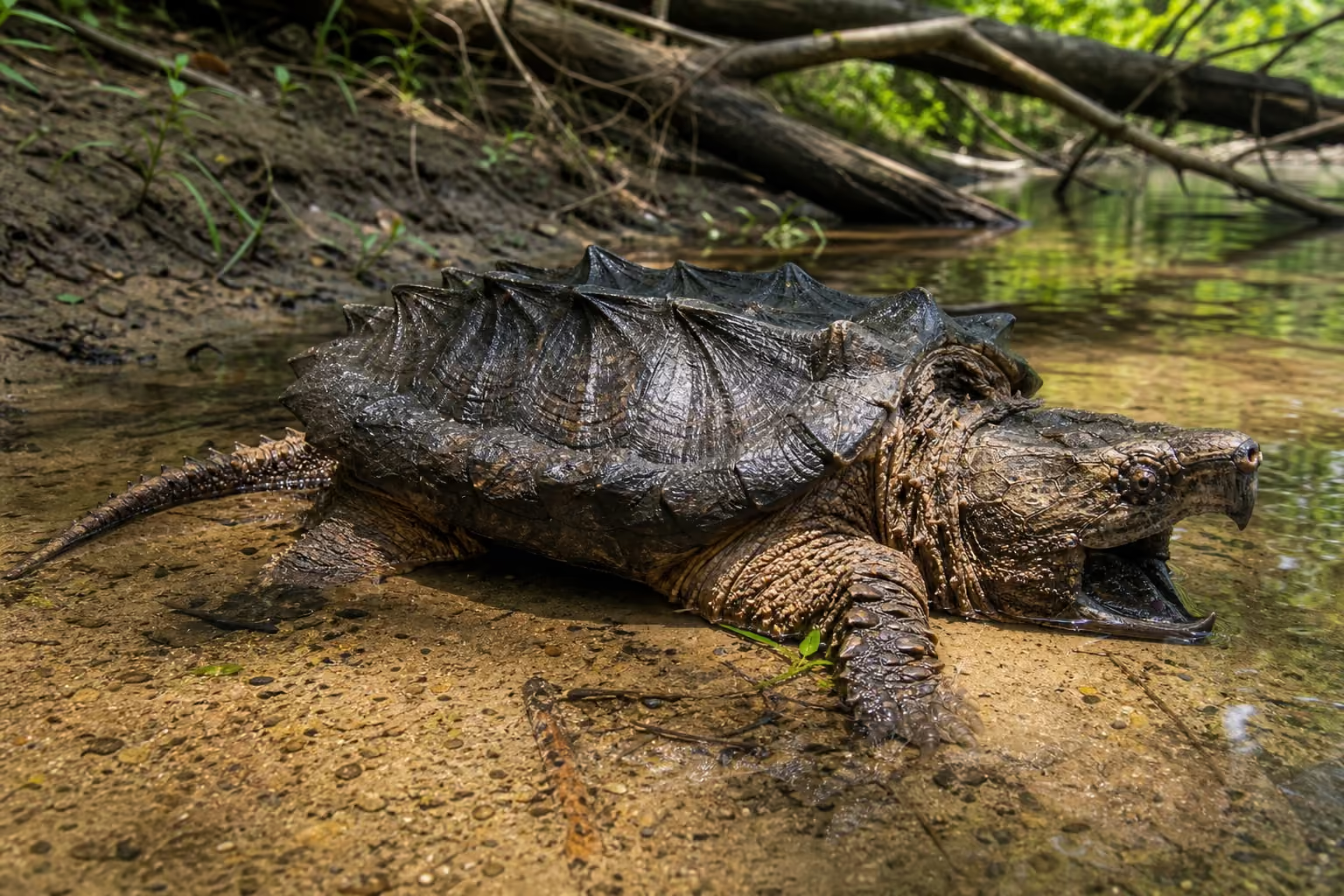
The alligator snapping turtle is a huge freshwater turtle with a massive head and rugged shell. A wormlike lure in its mouth attracts fish.

View in catalog
Key facts

  • Alligator snapping turtle (Macrochelys temminckii) is a carnivore animal classified as Reptile · Testudines · Chelydridae.
  • Primary habitats are freshwater, with a range across Nearctic.
  • Activity is nocturnal, sociality is solitary, and conservation status is VU (Vulnerable).
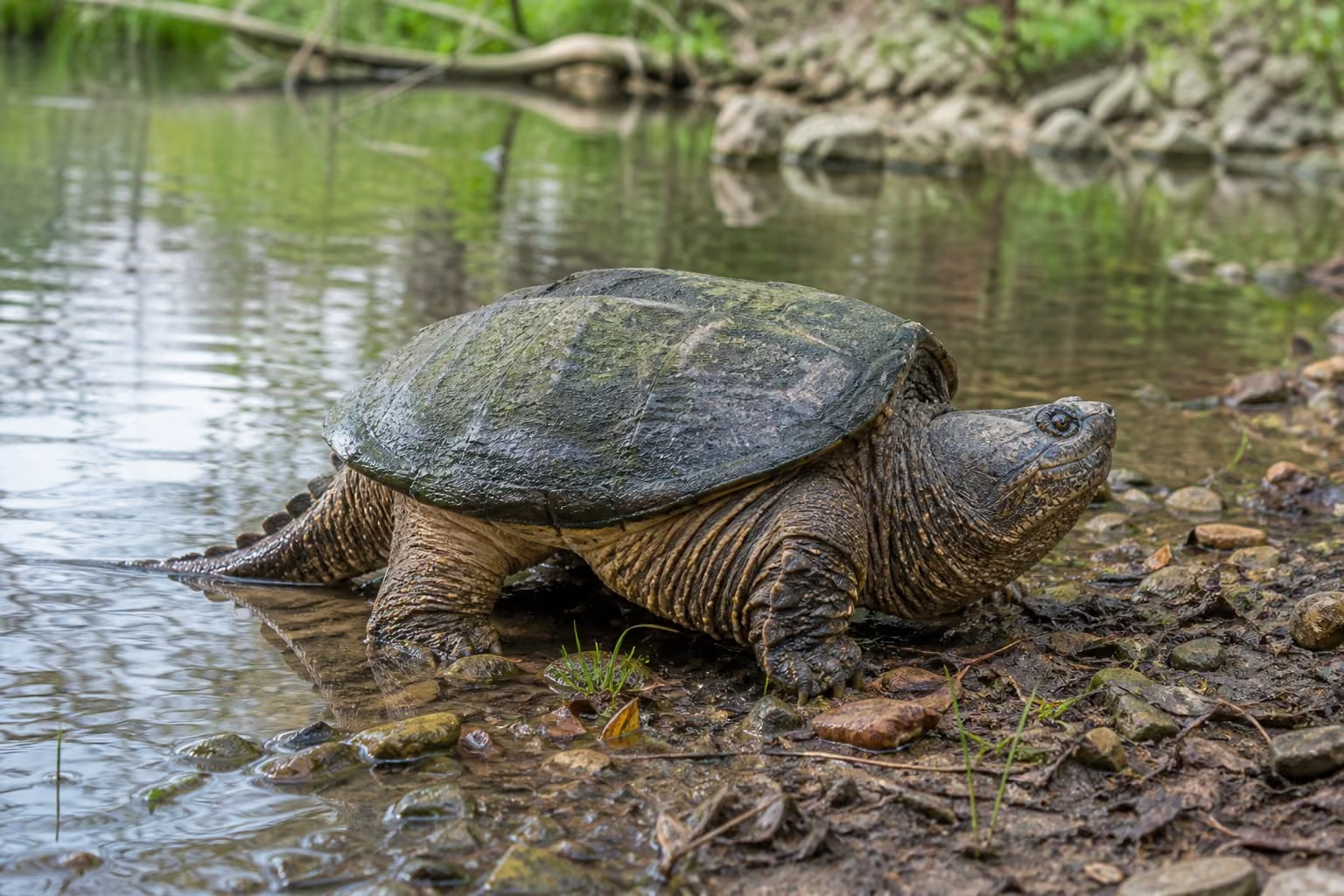
  • The alligator snapping turtle is a huge freshwater turtle with a massive head and rugged shell.
  • It inhabits Nearctic freshwater in the southeastern United States.
  • Typical lifespan: 70–100 years

Range

Habitat range map
Native rangeOccasional / Transient

Map: Ecoregions 2017 © RESOLVE (CC BY 4.0) · Natural Earth (PD)

Details

Habitat

It inhabits Nearctic freshwater in the southeastern United States. Large rivers, swamps, lakes, and deep channels are typical, and adults rarely leave water.

Appearance

Shell length 35-80 cm; weight 70-100 kg. The heavy shell has three raised ridges, the head is very large, and the jaws are powerful. The tail is long and thick.

Behavior

Nocturnal and solitary, it rests on the bottom with the mouth open. A movable tongue lure draws prey within reach.

Feeding

A carnivore, it eats fish, frogs, crustaceans, other aquatic animals, and carrion. Ambush and a crushing bite are central to feeding.

Reproduction

Females come ashore to dig nests and lay eggs. Hatchlings move to water and grow in shallow habitats.

Notes

It is listed as Vulnerable. Past harvest, water pollution, and river alteration have reduced populations, and slow growth makes recovery gradual.