197 Featured Specimen
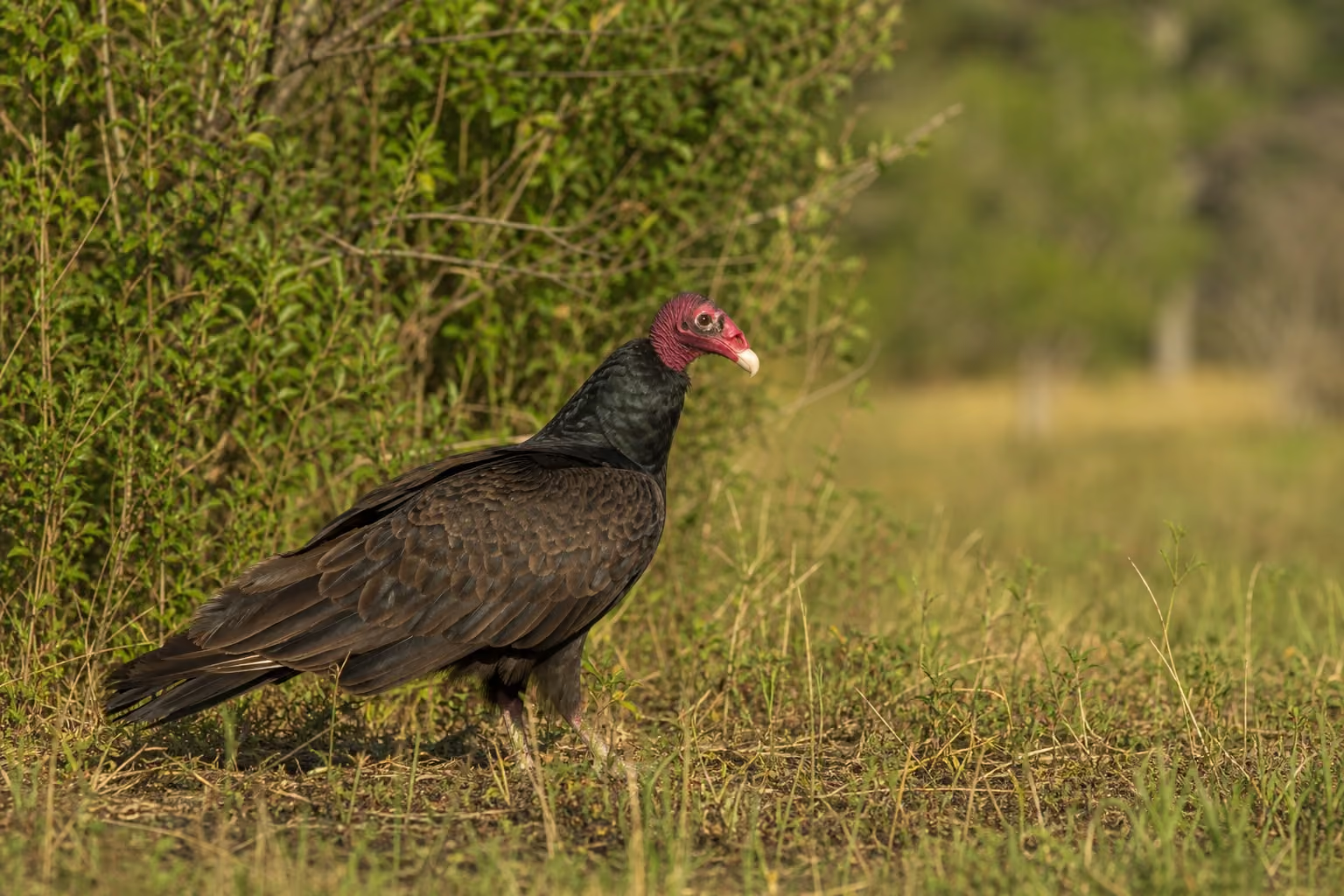
Turkey vulture

Details

Turkey vulture

Cathartes aura

Size
Wingspan 1.6–1.8 m · 0.8–2.4 kg
Diet
Carnivore
Activity
Diurnal
Sociality
Loose group
Lifespan
8-25 years

The turkey vulture is a widespread scavenging bird of the Americas. Diurnal birds ride thermals in loose groups while searching for carrion.
Range

Habitat range map
Native range Occasional / Transient
NearcticNearcticNearcticNearcticNearcticNearcticNearcticNearcticNearcticNearcticNearcticNearcticNearcticNearcticNearcticNearcticNearcticNearcticNearcticNearcticNearcticNearcticNearcticNearcticNearcticNearcticNearcticNearcticNearcticNearcticNearcticNearcticNearcticNearcticNearcticNearcticNearcticNearcticNearcticNearcticNearcticNeotropicalNeotropicalNeotropicalNeotropicalNeotropicalNeotropicalNeotropicalNeotropical

Map: Ecoregions 2017 © RESOLVE (CC BY 4.0) · Natural Earth (PD)

Details

Habitat

It uses forest edges, grasslands, deserts, farmland, roadsides, and other open habitats. Roosts may be in trees, cliffs, or structures.

Appearance

Wingspan is about 160-183 cm and weight about 800-2,400 g. Dark plumage, a red bare head, long wings, and a shallow V-shaped glide are distinctive.

Behavior

Active by day, it soars broadly with little flapping. Birds may forage alone or loosely together and gather at communal roosts.

Feeding

It is carnivorous, feeding mainly on carcasses. It can use smell as well as sight to find carrion before landing to feed.

Reproduction

Eggs are laid in caves, hollows, or sheltered sites with little nest material. Adults feed chicks by regurgitation.

Notes

Its status is listed as Least Concern. As a scavenger, it helps remove carcasses and adapts well to many open landscapes.