961 Featured Specimen
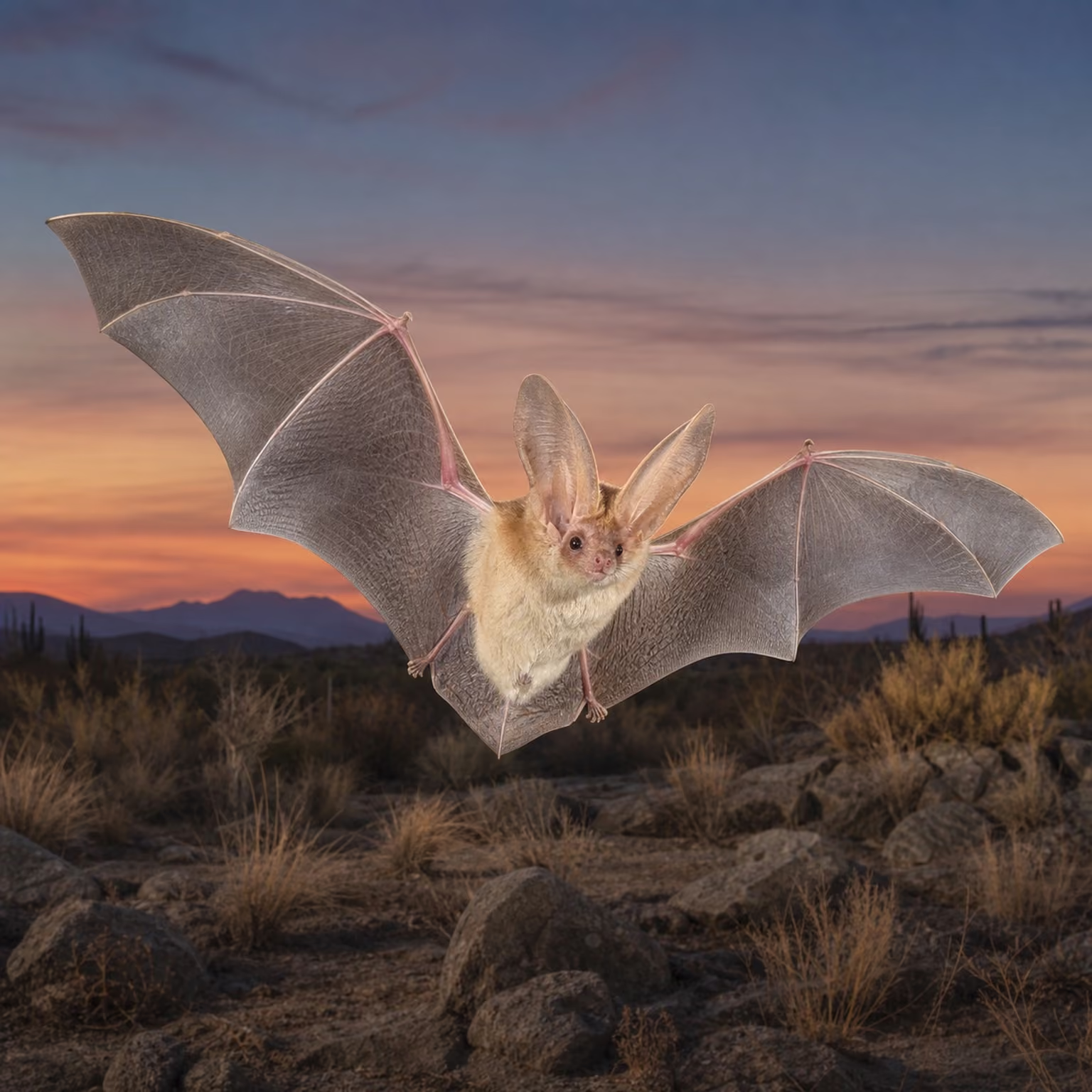
Pallid bat

Details

Pallid bat

Antrozous pallidus

Size
Wingspan 33–38 cm · 14–25 g
Diet
Carnivore
Activity
Nocturnal
Sociality
Colony
Lifespan

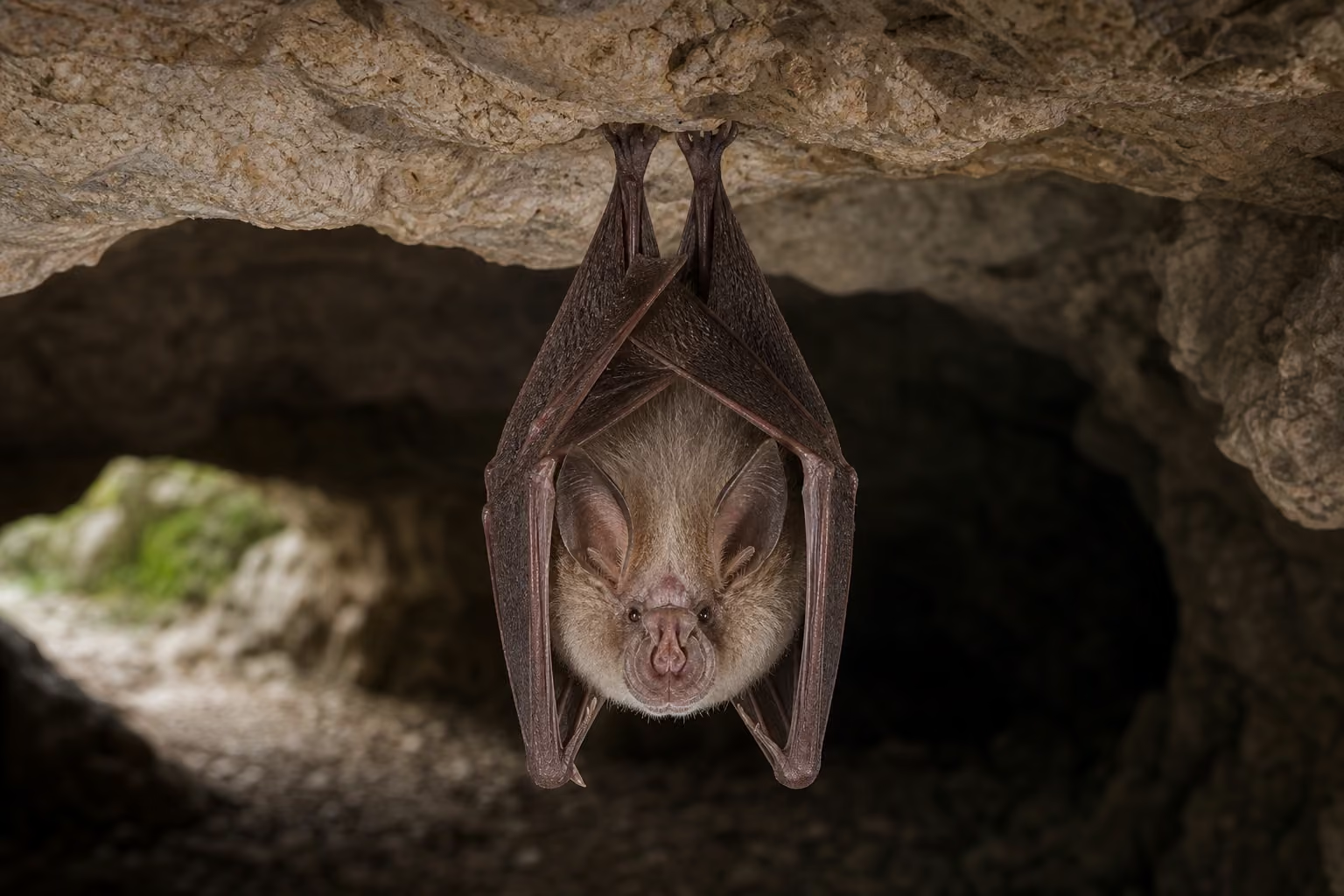
Pallid bat is a mammal associated with deserts, grasslands and urban edges. It is carnivorous and colonial or group-living. It remains widespread in parts of its range, but local habitat change still matters.
Range

Habitat range map
Native range Occasional / Transient
NearcticNearcticNearcticNearcticNearcticNearcticNearcticNearcticNearcticNearcticNearcticNearcticNearcticNearcticNearcticNearcticNearcticNearcticNearcticNearcticNearcticNearcticNearcticNearcticNearcticNearcticNearcticNearcticNearcticNearcticNearcticNearcticNearcticNearcticNearcticNearcticNearcticNearcticNearcticNearcticNearctic

Map: Ecoregions 2017 © RESOLVE (CC BY 4.0) · Natural Earth (PD)

Details

Habitat

Its range is represented here by the Nearctic, where it uses deserts, grasslands and urban edges. Mobile species may shift habitat use with season, breeding sites, or food availability.

Appearance

Typical wingspan 33-38 cm, weight 14 g-25 g. It has a small agile rodent-like build, with proportions shaped by its habitat and mode of movement.

Behavior

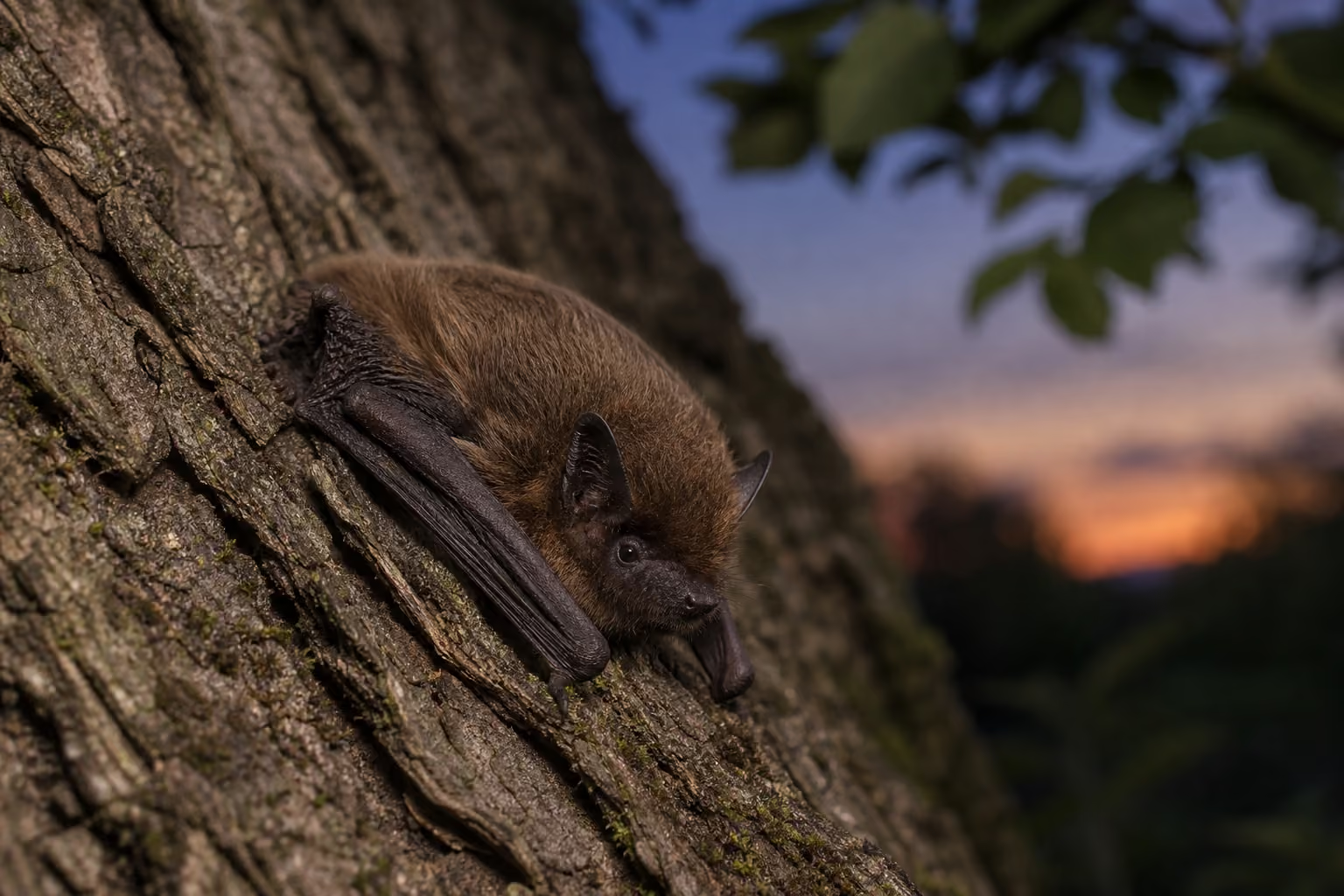
It is mostly active at night and colonial or group-living. Spacing, group size, and visibility can change with season, feeding conditions, and breeding activity.

Feeding

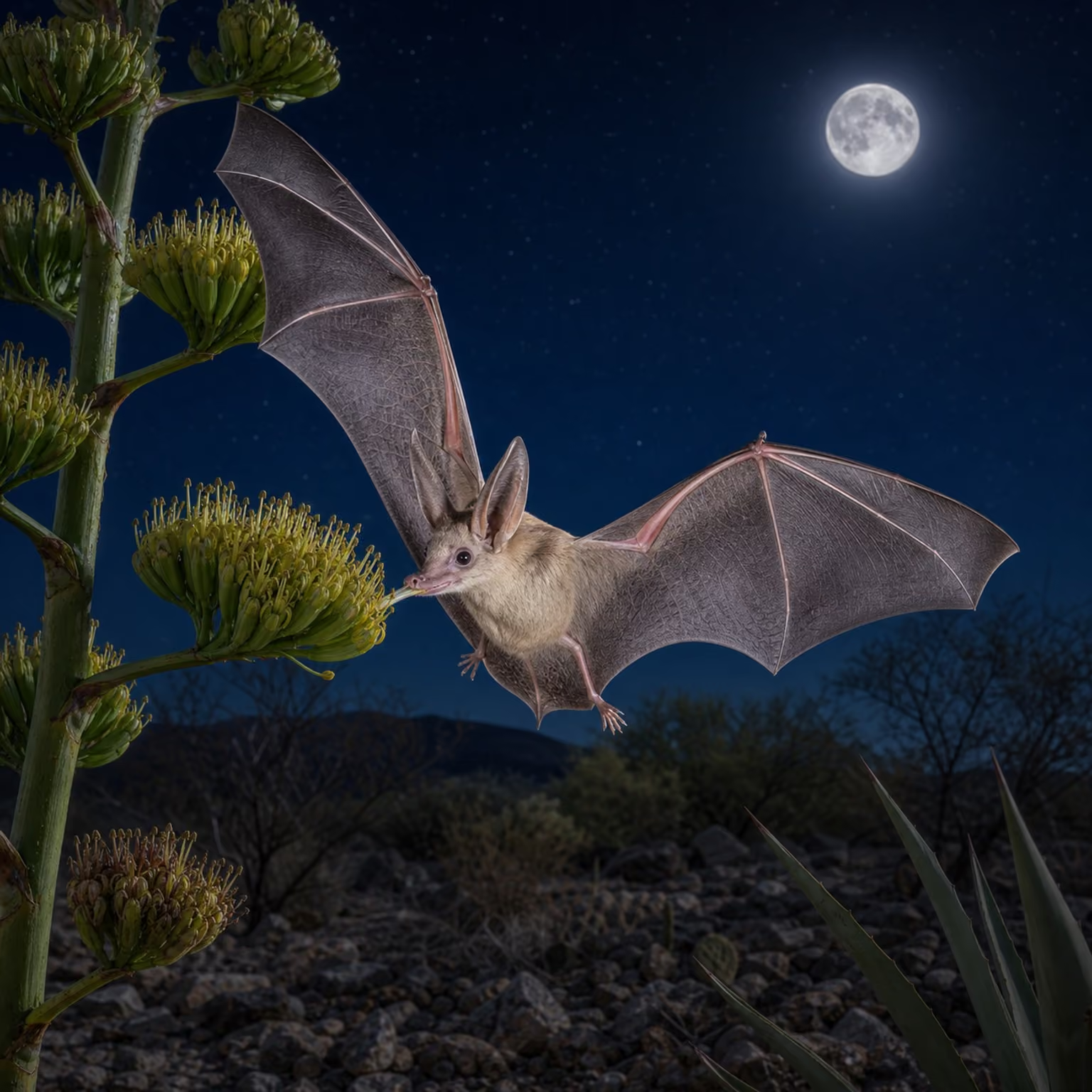
It is carnivorous. Food choice and foraging style are tied to life in deserts, grasslands and urban edges, so movements often follow available food resources.

Reproduction

As a mammal, it gives birth to live young, and the mother nurses them in cover or within the social group.

Notes

Recorded scientifically as Antrozous pallidus. It remains widespread in parts of its range, but local habitat change still matters. In this guide, size, habitat, and activity pattern are useful first clues for recognition.