724 Featured Specimen
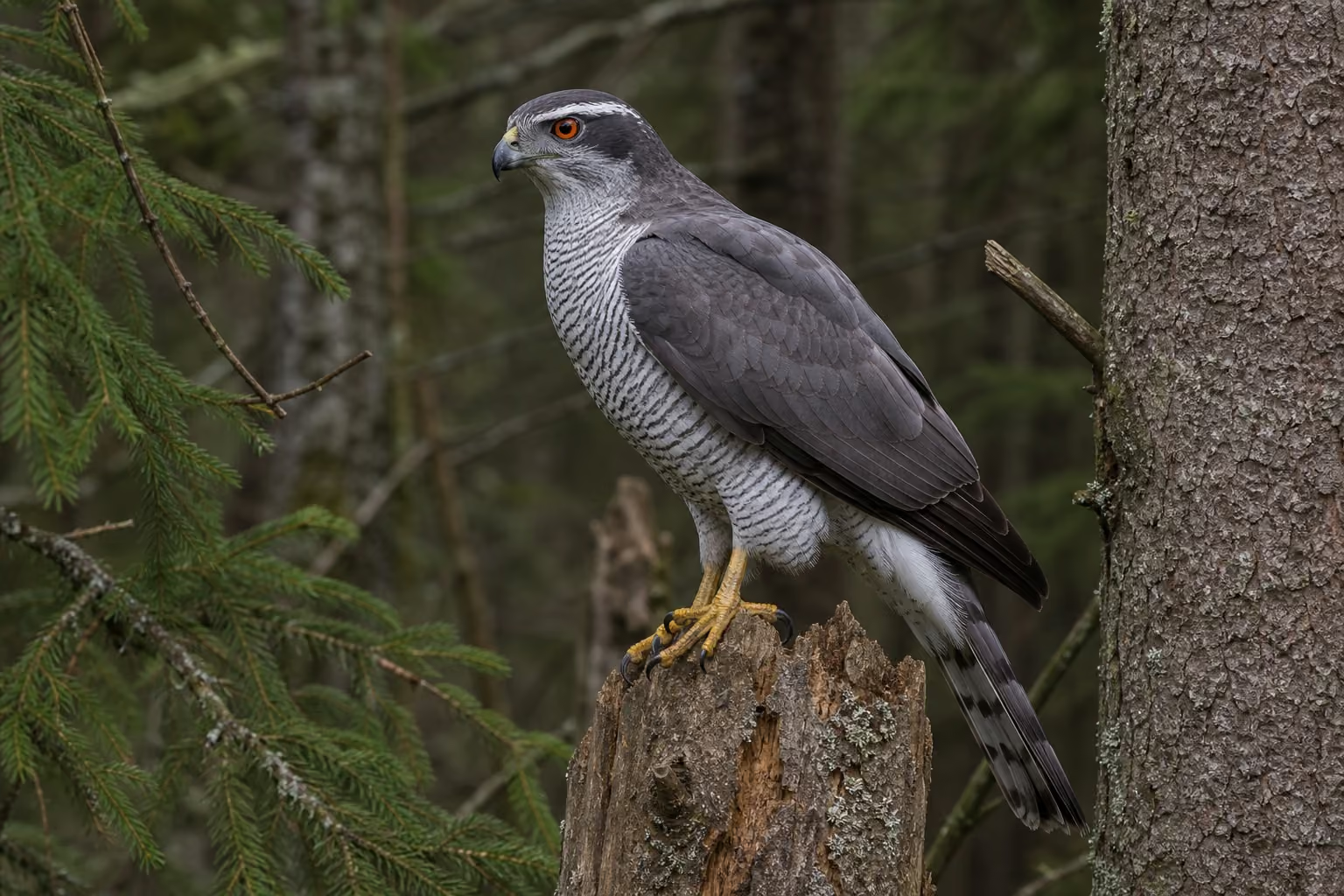
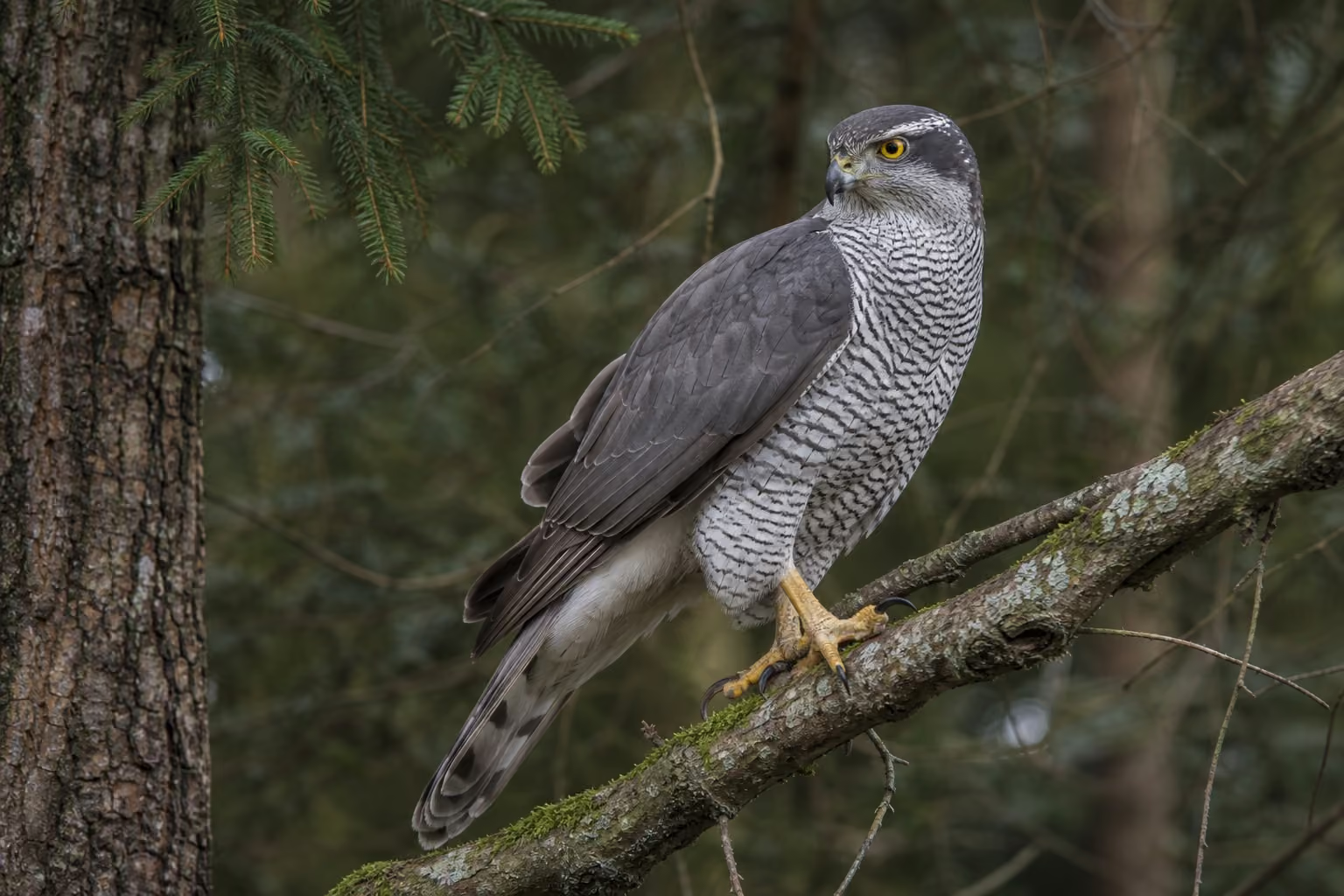
Northern goshawk

Details

Northern goshawk

Accipiter gentilis

Size
48–69 cm · 0.6–2.2 kg
Diet
Carnivore
Activity
Diurnal
Sociality
Solitary
Lifespan

A powerful forest hawk of the Northern Hemisphere, using short rounded wings and a long tail to chase birds and mammals through trees.
Range

Habitat range map
Native range Occasional / Transient
PalearcticPalearcticPalearcticPalearcticPalearcticPalearcticPalearcticPalearcticPalearcticPalearcticPalearcticPalearcticPalearcticPalearcticPalearcticPalearcticPalearcticPalearcticPalearcticPalearcticPalearcticPalearcticPalearcticPalearcticNearcticNearcticNearcticNearcticNearcticNearcticNearcticNearcticNearcticNearcticNearcticNearcticNearcticNearcticNearcticNearcticNearcticNearcticNearcticNearcticNearcticNearcticNearcticNearcticNearcticNearcticNearcticNearcticNearcticNearcticNearcticNearcticNearcticNearcticNearcticNearcticNearcticNearcticNearcticNearcticNearctic

Map: Ecoregions 2017 © RESOLVE (CC BY 4.0) · Natural Earth (PD)

Details

Habitat

Found in mature conifer, deciduous, mixed, and mountain forests, with edges and openings used for hunting.

Appearance

Adults show blue-gray upperparts, a pale eyebrow, and finely barred underparts. Females are much larger than males.

Behavior

It flies rapidly through woodland, ambushing prey from perches or low flight. Breeding adults defend the nest area strongly.

Feeding

Pigeons, crows, gamebirds, squirrels, hares, and other prey are taken, with main prey varying by region.

Reproduction

Large stick nests are built high in trees, often in repeatedly used forest stands. Young continue receiving food after fledging.

Notes

Globally low-risk; mature forest structure, prey availability, and persecution influence local density.