440 Featured Specimen
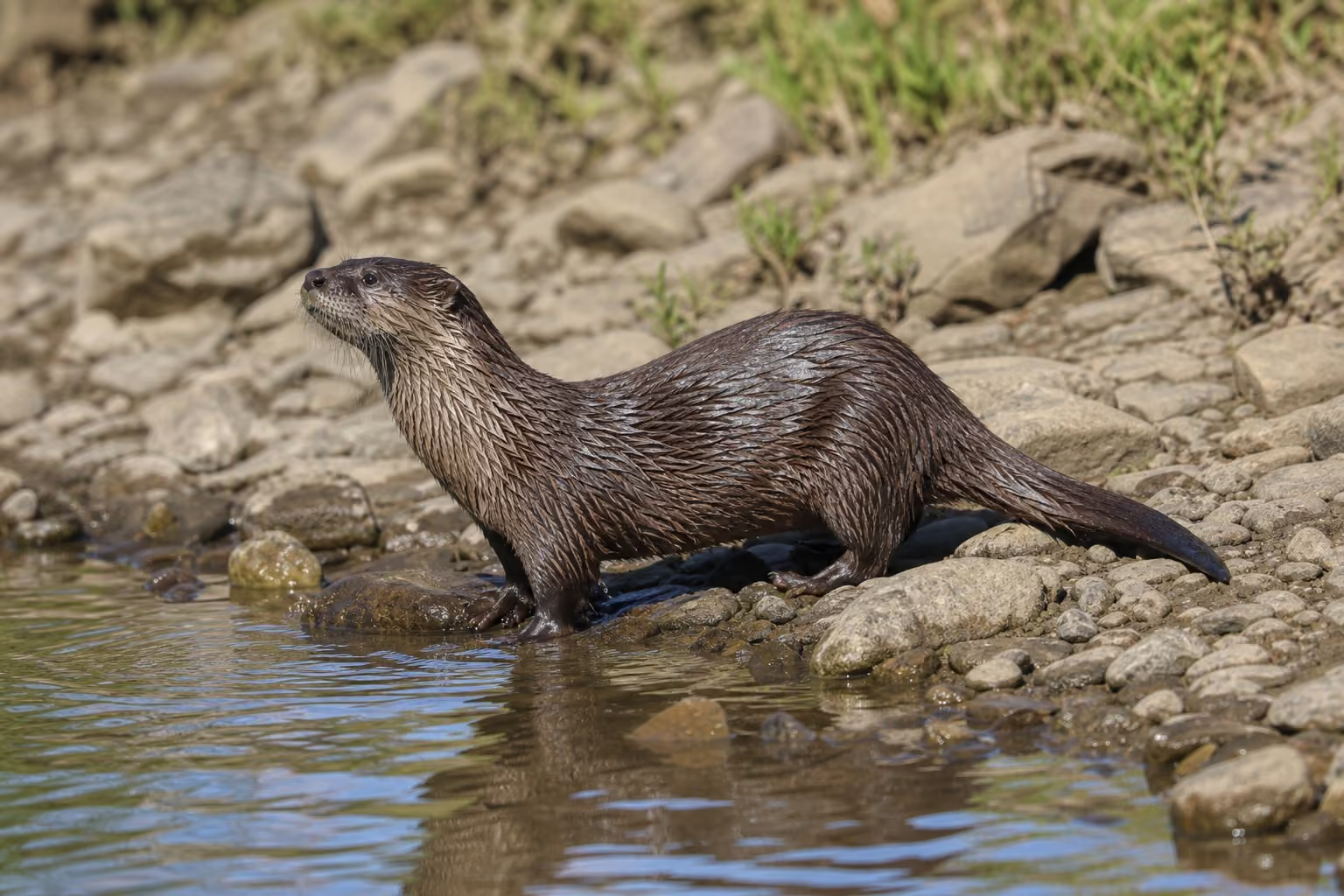
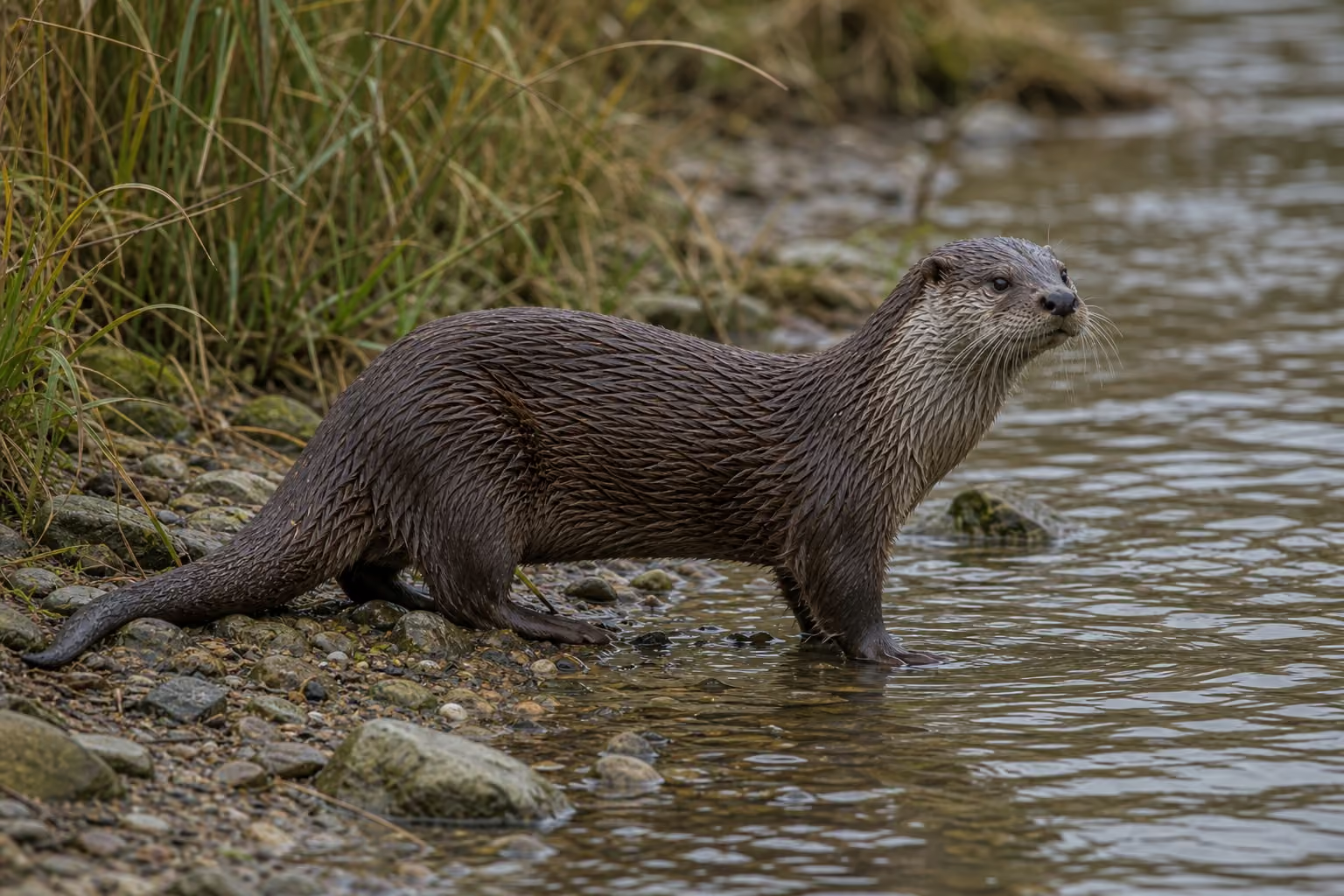
North American river otter

Details

North American river otter

Lontra canadensis

Size
0.7–1.1 m · 5–14 kg
Diet
Carnivore
Activity
Crepuscular
Sociality
Social
Lifespan
8–13 years

The North American river otter is an agile mustelid of rivers, lakes, and coasts. It slides along banks and hunts fish and crustaceans in the water.
Range

Habitat range map
Native range Occasional / Transient
NearcticNearcticNearcticNearcticNearcticNearcticNearcticNearcticNearcticNearcticNearcticNearcticNearcticNearcticNearcticNearcticNearcticNearcticNearcticNearcticNearcticNearcticNearcticNearcticNearcticNearcticNearcticNearcticNearcticNearcticNearcticNearcticNearcticNearcticNearcticNearcticNearcticNearcticNearcticNearcticNearctic

Map: Ecoregions 2017 © RESOLVE (CC BY 4.0) · Natural Earth (PD)

Details

Habitat

It ranges through Nearctic freshwater and coastal habitats, including rivers, lakes, marshes, estuaries, and sheltered shorelines. Banks with dens, roots, and logs are valuable.

Appearance

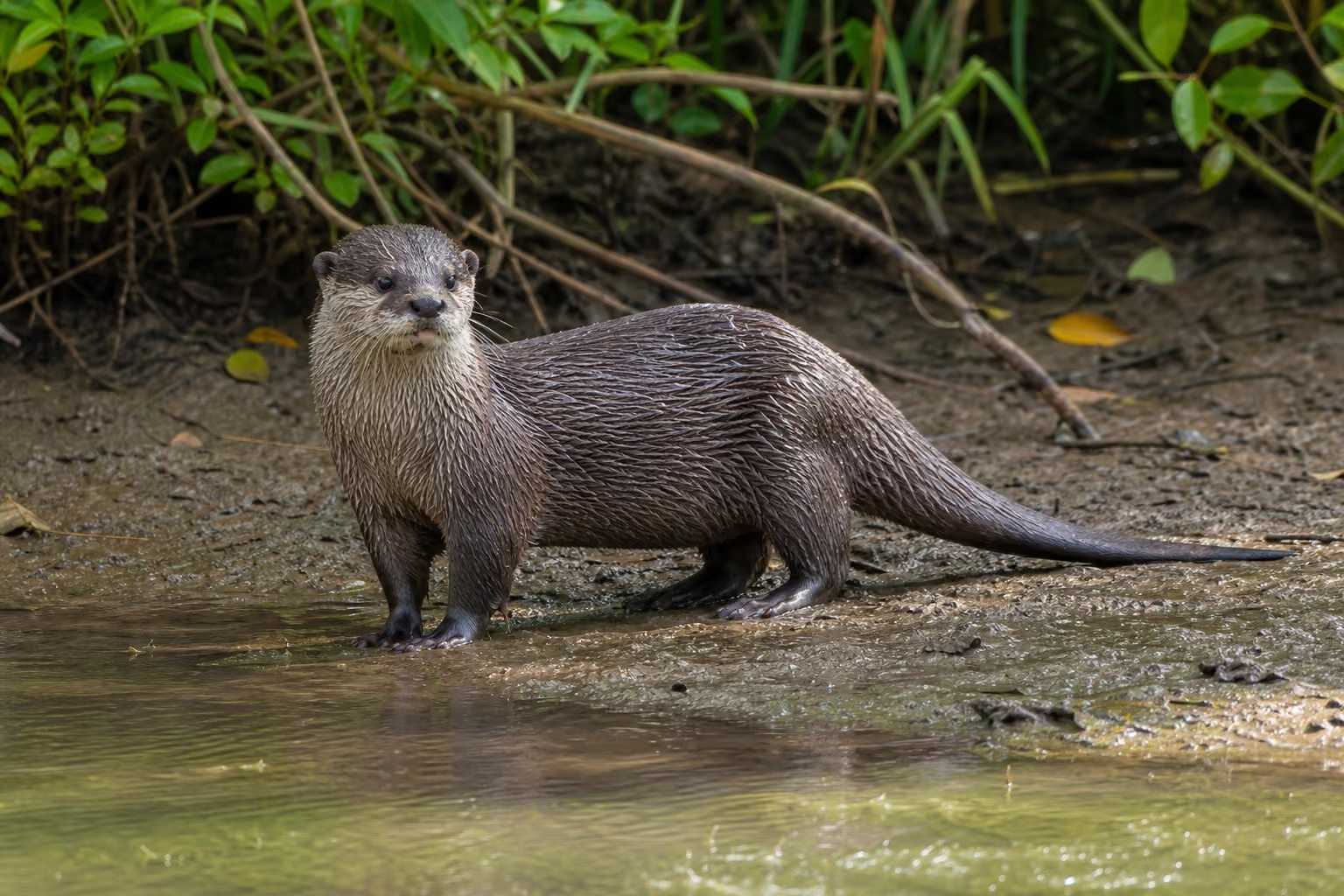
Length 66-107 cm; weight 5-14 kg. A streamlined body, short legs, webbed feet, and thick tail suit swimming. Dense waterproof fur is dark brown with a paler throat.

Behavior

Crepuscular and social, it may travel in family groups or small parties. Sliding, play, calls, and scent marks are common parts of its behavior.

Feeding

A carnivore, it eats fish, crayfish, frogs, mollusks, and other aquatic prey. It dives after prey and often eats on banks or floating platforms.

Reproduction

Delayed implantation follows mating. Females give birth in waterside dens and care for pups until they learn to swim and forage.

Notes

It is listed as Least Concern. Pollution and wetland loss reduced it in some areas, but protection and reintroduction have helped many populations recover.