055 Featured Specimen
Greater flamingo

Details

Greater flamingo

Phoenicopterus roseus

Size
Height 1.1–1.5 m · 2–4 kg
Diet
Filter Feeder
Activity
Diurnal
Sociality
Colony
Lifespan
Several years to decades

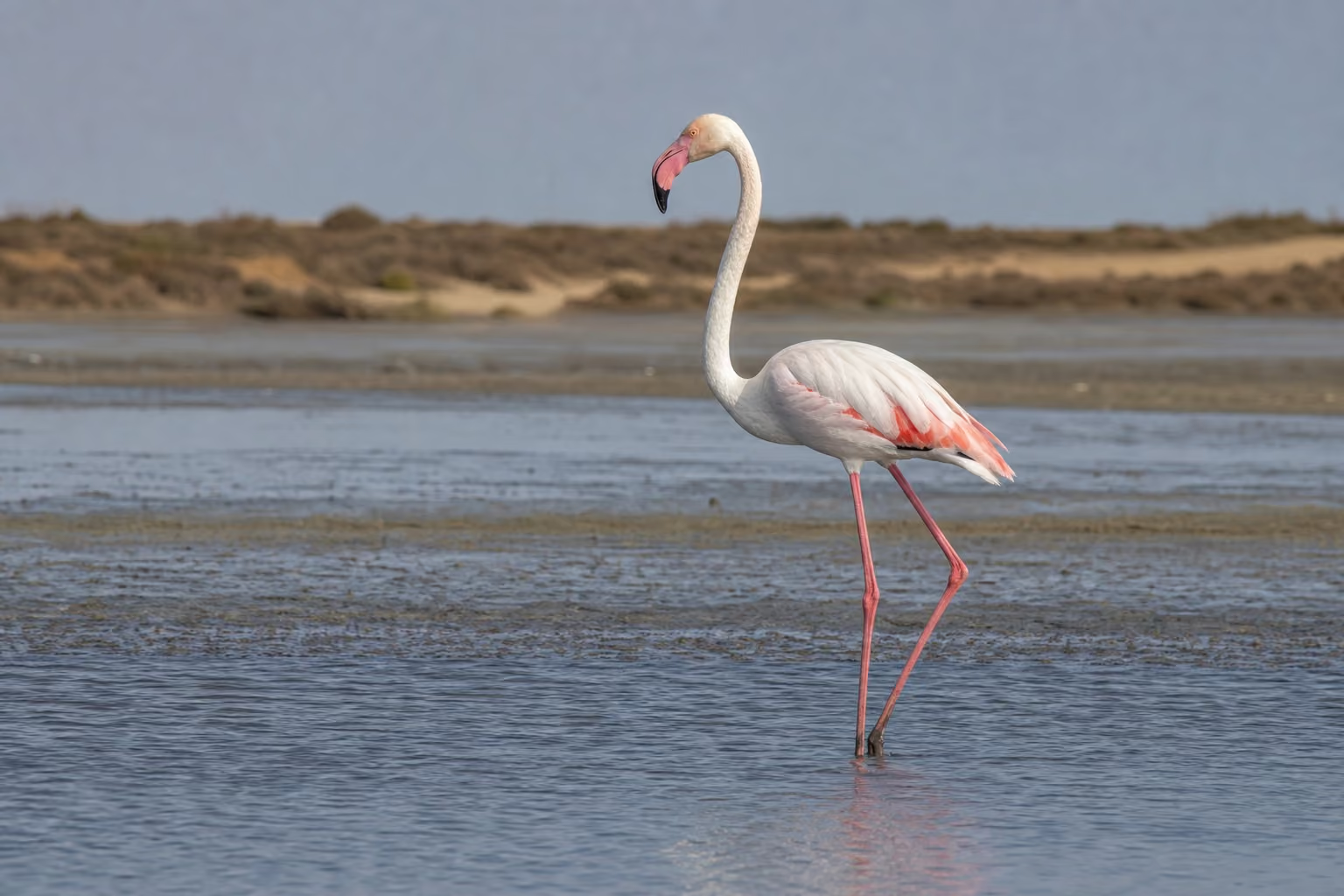
The largest flamingo species, this widespread Old World waterbird wears pale pink plumage and carries a black-tipped bill on a long, slender neck and legs. It feeds by sweeping its inverted bill through shallow water to strain out tiny organisms.
Range

Habitat range map
Native range Occasional / Transient
PalearcticPalearcticPalearcticPalearcticPalearcticPalearcticPalearcticPalearcticPalearcticPalearcticPalearcticPalearcticPalearcticPalearcticPalearcticPalearcticPalearcticPalearcticPalearcticPalearcticPalearcticPalearcticPalearcticPalearcticAfrotropicalAfrotropicalAfrotropicalAfrotropicalIndomalayanIndomalayanIndomalayanIndomalayanIndomalayanIndomalayanIndomalayanIndomalayanIndomalayanIndomalayanIndomalayanIndomalayanIndomalayanIndomalayanIndomalayan

Map: Ecoregions 2017 © RESOLVE (CC BY 4.0) · Natural Earth (PD)

Details

Habitat

It ranges across the Palearctic, Afrotropics, and Indomalaya, from Africa and the Mediterranean to the Middle East and the Indian subcontinent. It favours broad, shallow waters suited to filter-feeding, including saline mudflats, coastal lagoons, salt lakes, and brackish wetlands.

Appearance

The biggest flamingo, standing 110-150 cm tall and weighing 2-4 kg. Its plumage is mostly pinkish-white with vivid red wing coverts and black flight feathers, while the pink bill has a black tip and the legs are entirely pink. Chicks hatch in grey down.

Behavior

A highly gregarious bird that gives goose-like calls and lives in large colonies. It is famed for synchronised group courtship displays, and some populations migrate seasonally.

Feeding

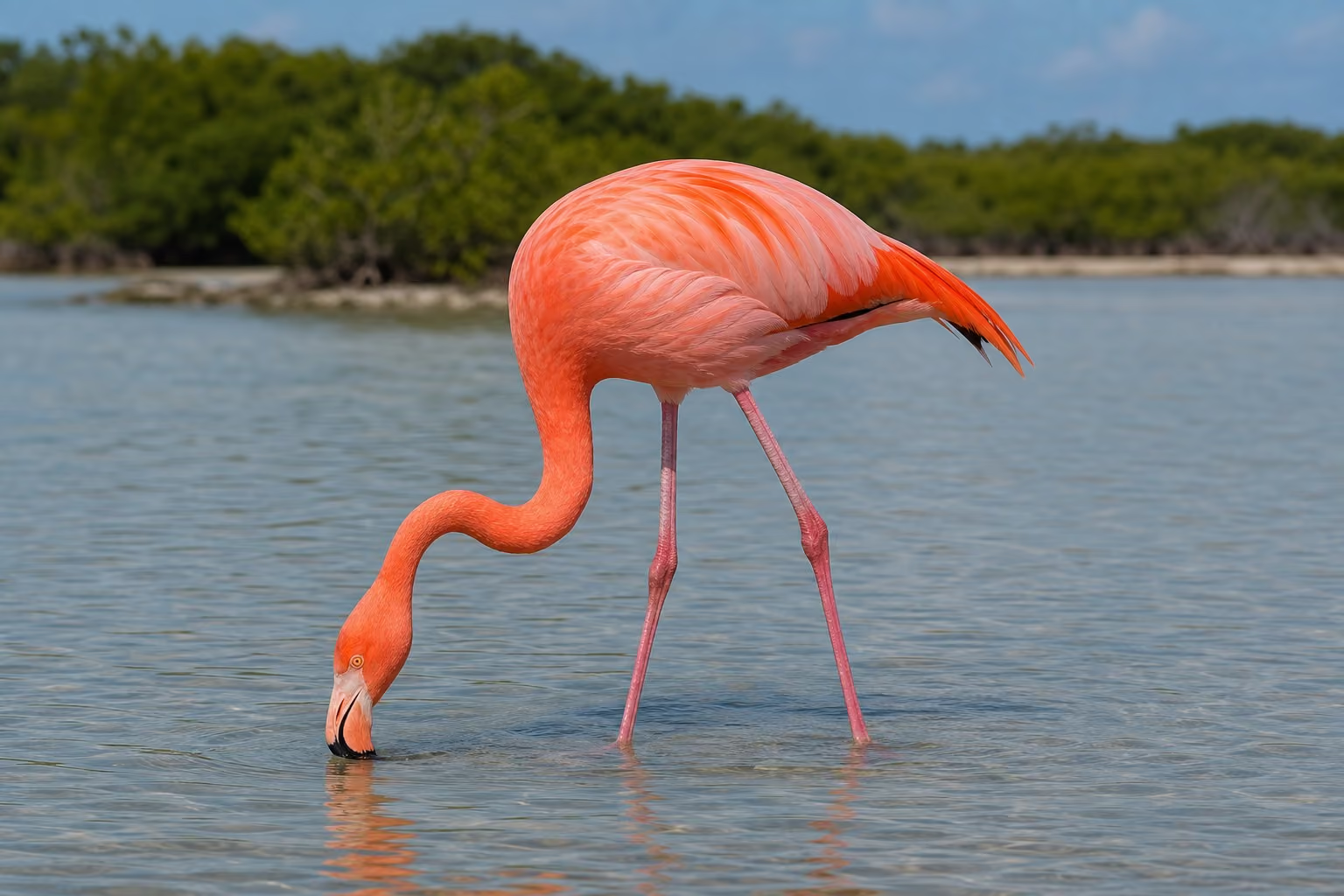
A filter-feeder, it stirs the mud with its feet in shallow water, then strains water and sediment through its inverted bill. It takes small shrimp and other crustaceans, seeds, blue-green algae, and microscopic organisms, whose carotenoid pigments give the bird its pink hue.

Reproduction

A single chalky-white egg is laid atop a mound of mud. Incubation lasts 26-32 days, and both parents feed the chick on a nutritious secreted crop milk. Sexual maturity comes at about three years, with full adult colour taking roughly four.

Notes

Listed as Least Concern by the IUCN, with relatively stable numbers, though water pollution and habitat loss are the chief threats. It is long-lived, reaching 30-40 years in the wild and over 60 years in captivity.