121 Featured Specimen
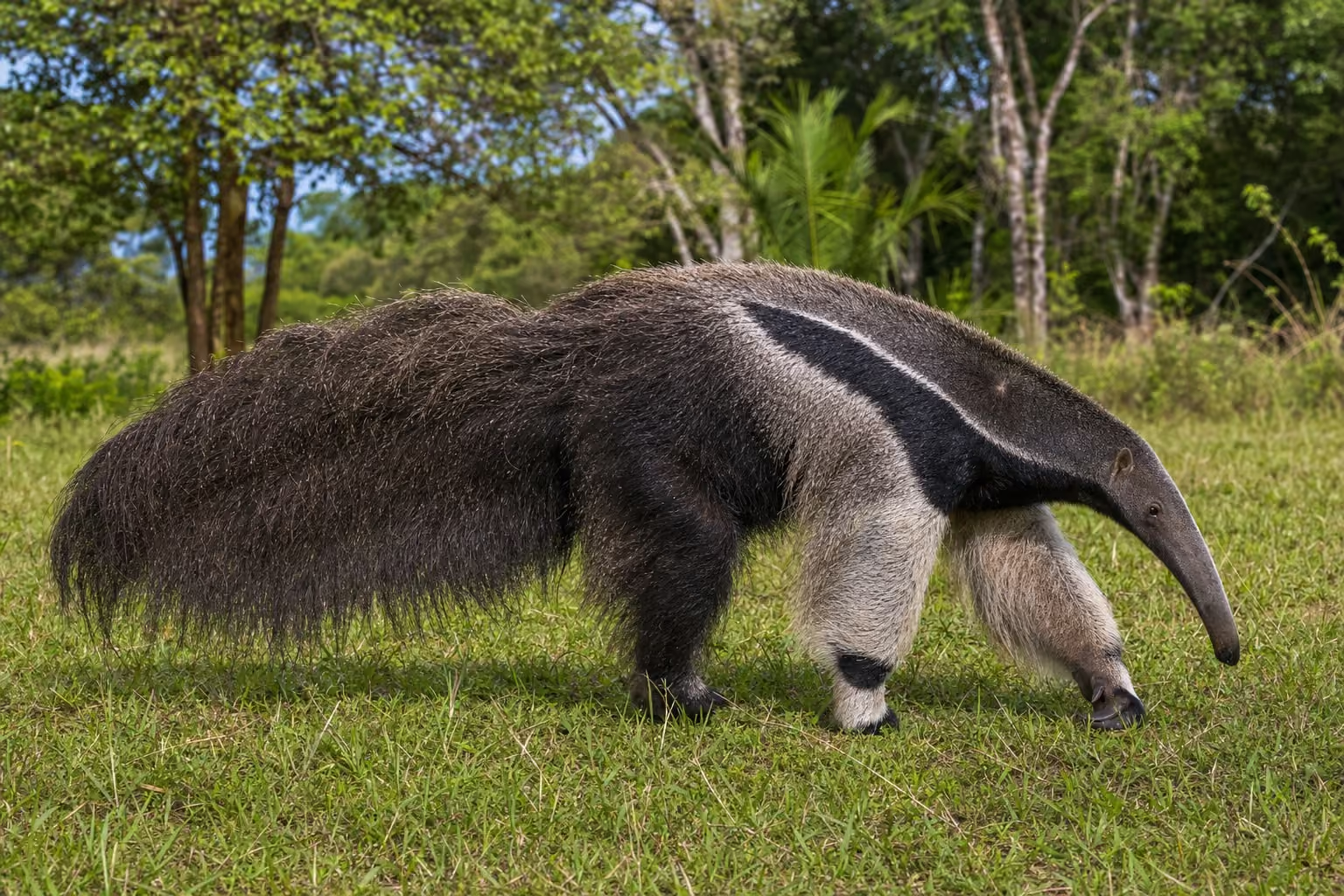
Giant anteater

Details

Giant anteater

Myrmecophaga tridactyla

Size
1.8–2.2 m · 27–50 kg
Diet
Carnivore
Activity
Cathemeral
Sociality
Solitary
Lifespan
10-20 years

The giant anteater is a solitary South American mammal of grasslands and forests. Its activity is flexible, and it specializes on ants and termites.
Range

Habitat range map
Native range Occasional / Transient
NeotropicalNeotropicalNeotropicalNeotropicalNeotropicalNeotropicalNeotropicalNeotropical

Map: Ecoregions 2017 © RESOLVE (CC BY 4.0) · Natural Earth (PD)

Details

Habitat

It uses grasslands, wet savannas, and open forests. Good habitat combines visible feeding areas with thickets or woodland for resting.

Appearance

Body length is about 182-217 cm and weight about 27-50 kg. A long snout, tube-like mouth, large tail, and strong foreclaws open insect nests.

Behavior

It ranges alone and shifts activity with heat and disturbance. At rest, it may cover the body with its tail, breaking up its outline.

Feeding

It is carnivorous, feeding mainly on ants and termites. It visits nests briefly and uses a long sticky tongue rather than destroying a colony completely.

Reproduction

The young rides on the mother's back, where its stripe helps it blend with her pattern. As it grows, it learns to locate insect nests.

Notes

Its status is listed as Vulnerable. Grassland conversion, fire, and road mortality are important pressures.