369 Featured Specimen
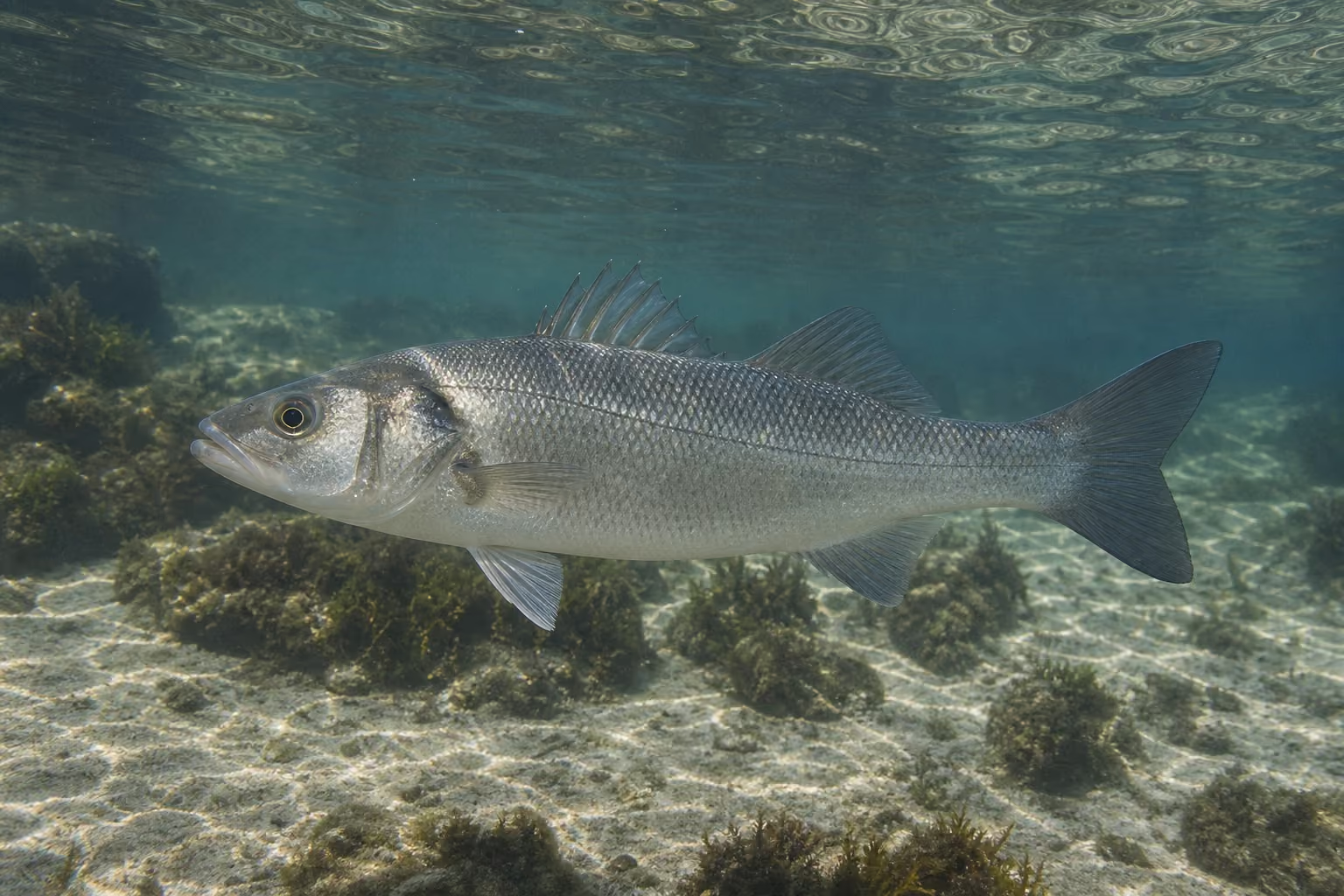
European seabass

Details

European seabass

Dicentrarchus labrax

Size
0.4–1 m · 1–12 kg
Diet
Carnivore
Activity
Crepuscular
Sociality
Loose group
Lifespan
15–25 years

The European seabass is a sleek predator of the eastern Atlantic and Mediterranean coasts. Around twilight it hunts small fish and crustaceans along rocks, bays, and estuaries.
Range

Habitat range map
Native range Occasional / Transient
Atlantic OceanAtlantic OceanAtlantic OceanAtlantic OceanAtlantic OceanPalearcticPalearcticPalearcticPalearcticPalearcticPalearcticPalearcticPalearcticPalearcticPalearcticPalearcticPalearcticPalearcticPalearcticPalearcticPalearcticPalearcticPalearcticPalearcticPalearcticPalearcticPalearcticPalearcticPalearctic

Map: Ecoregions 2017 © RESOLVE (CC BY 4.0) · Natural Earth (PD)

Details

Habitat

It occupies coasts, estuaries, bays, and shallow open shores in the Atlantic, the Palearctic. Young fish often enter brackish estuaries and sheltered bays.

Appearance

Length 40-100 cm; weight 1 kg-12 kg. A silvery body, darker back, and two-part dorsal fin mark the species. The large mouth and streamlined form suit agile coastal hunting.

Behavior

Activity peaks around dawn and dusk, and fish often travel in loose groups. Larger adults may patrol feeding areas alone.

Feeding

A carnivore, it eats small fishes, shrimps, crabs, and squid. It uses currents and cover to ambush moving prey.

Reproduction

Adults spawn offshore from winter into spring. Eggs and larvae drift before young fish enter shallow nursery areas.

Notes

It is listed as Least Concern, though local populations can still be affected by habitat change, collection, or pollution.