796 Featured Specimen
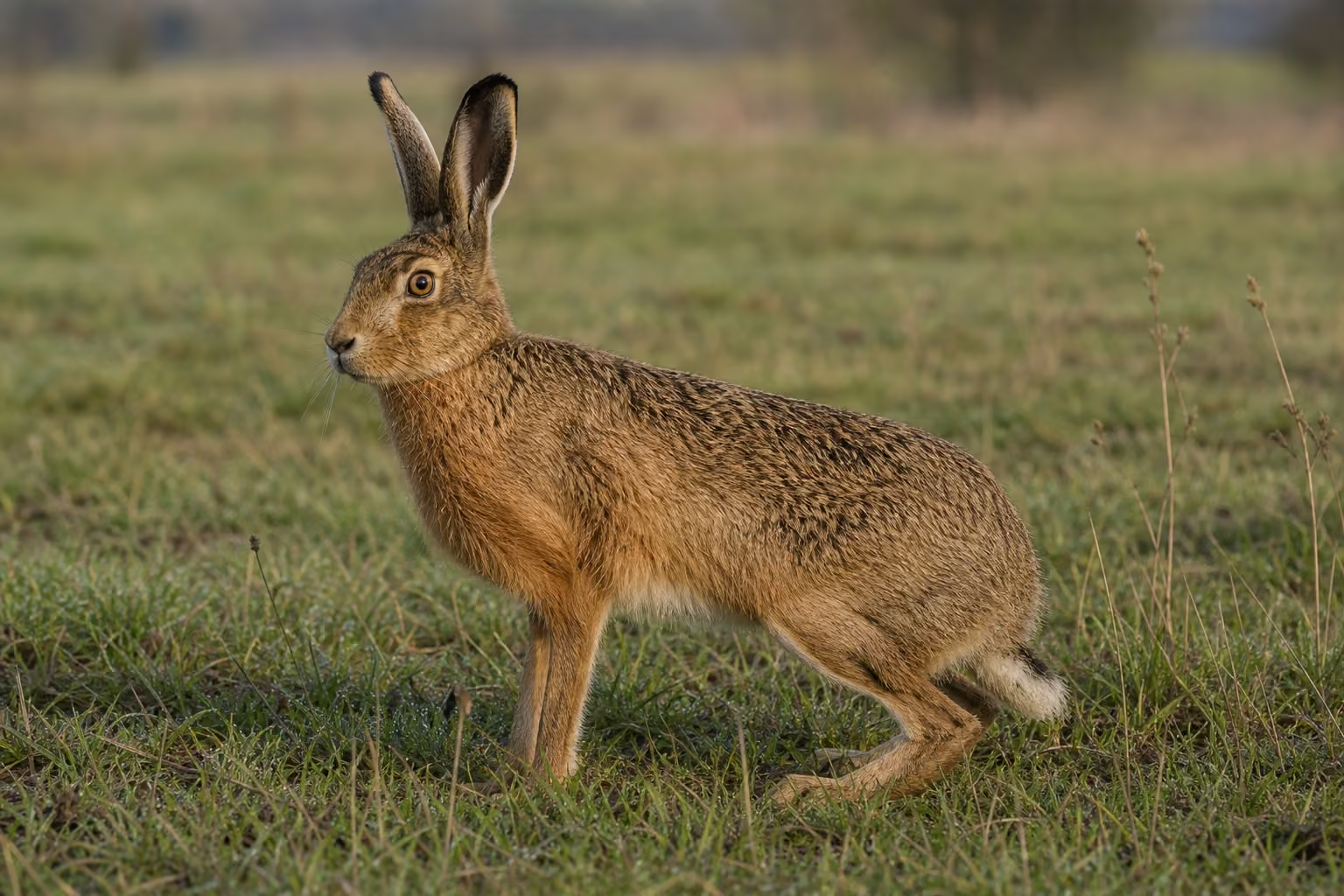
European hare

Details

European hare

Lepus europaeus

Size
48–75 cm · 3–7 kg
Diet
Herbivore
Activity
Crepuscular
Sociality
Solitary
Lifespan

A large hare of open country across Europe and western Asia. Long legs and ears support fast running in exposed habitats.
Range

Habitat range map
Native range Occasional / Transient
PalearcticPalearcticPalearcticPalearcticPalearcticPalearcticPalearcticPalearcticPalearcticPalearcticPalearcticPalearcticPalearcticPalearcticPalearcticPalearcticPalearcticPalearcticPalearcticPalearcticPalearcticPalearcticPalearcticPalearctic

Map: Ecoregions 2017 © RESOLVE (CC BY 4.0) · Natural Earth (PD)

Details

Habitat

European hares use grassland, farmland, pasture, open woodland, and forest edges. They favor low cover beside open escape routes.

Appearance

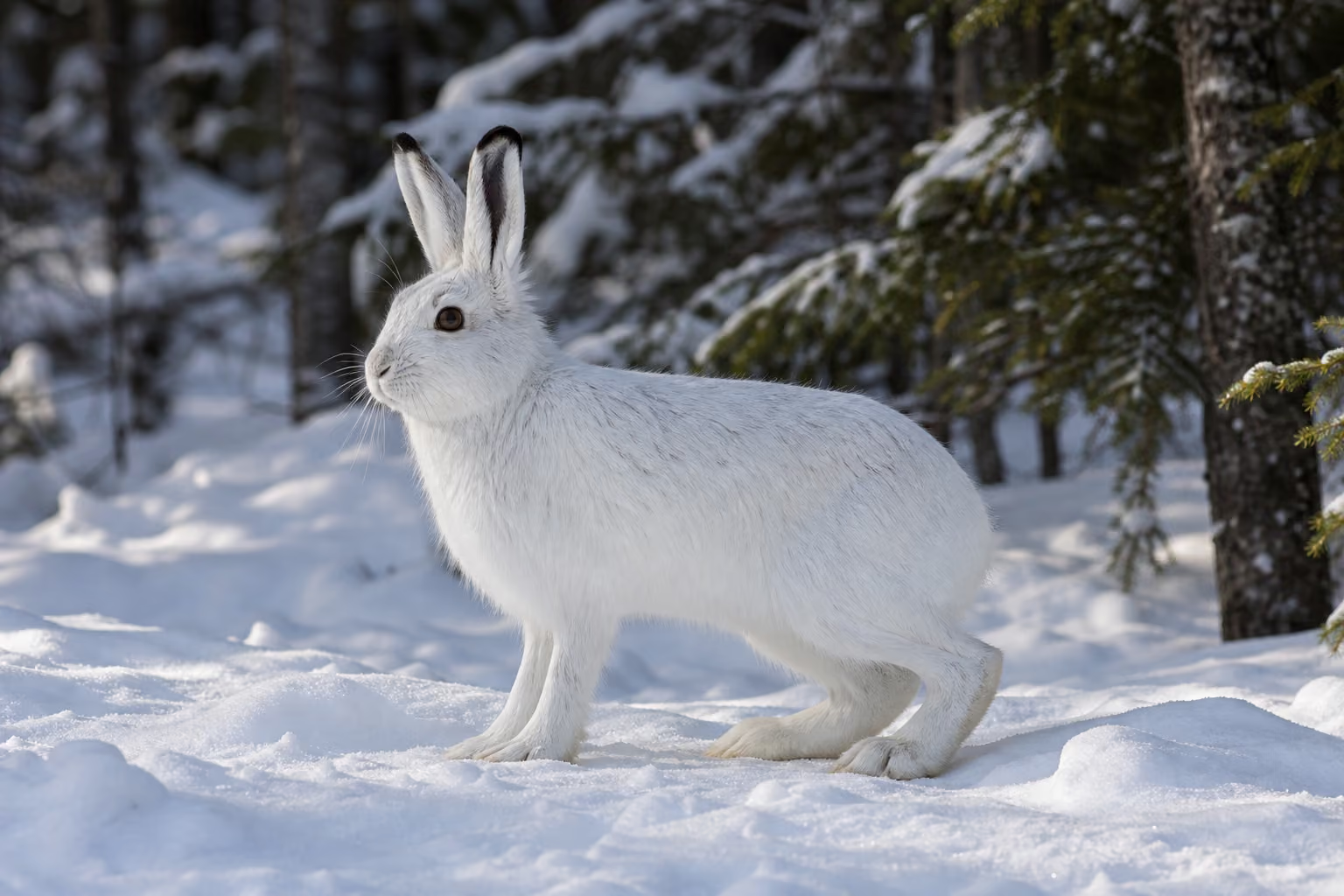
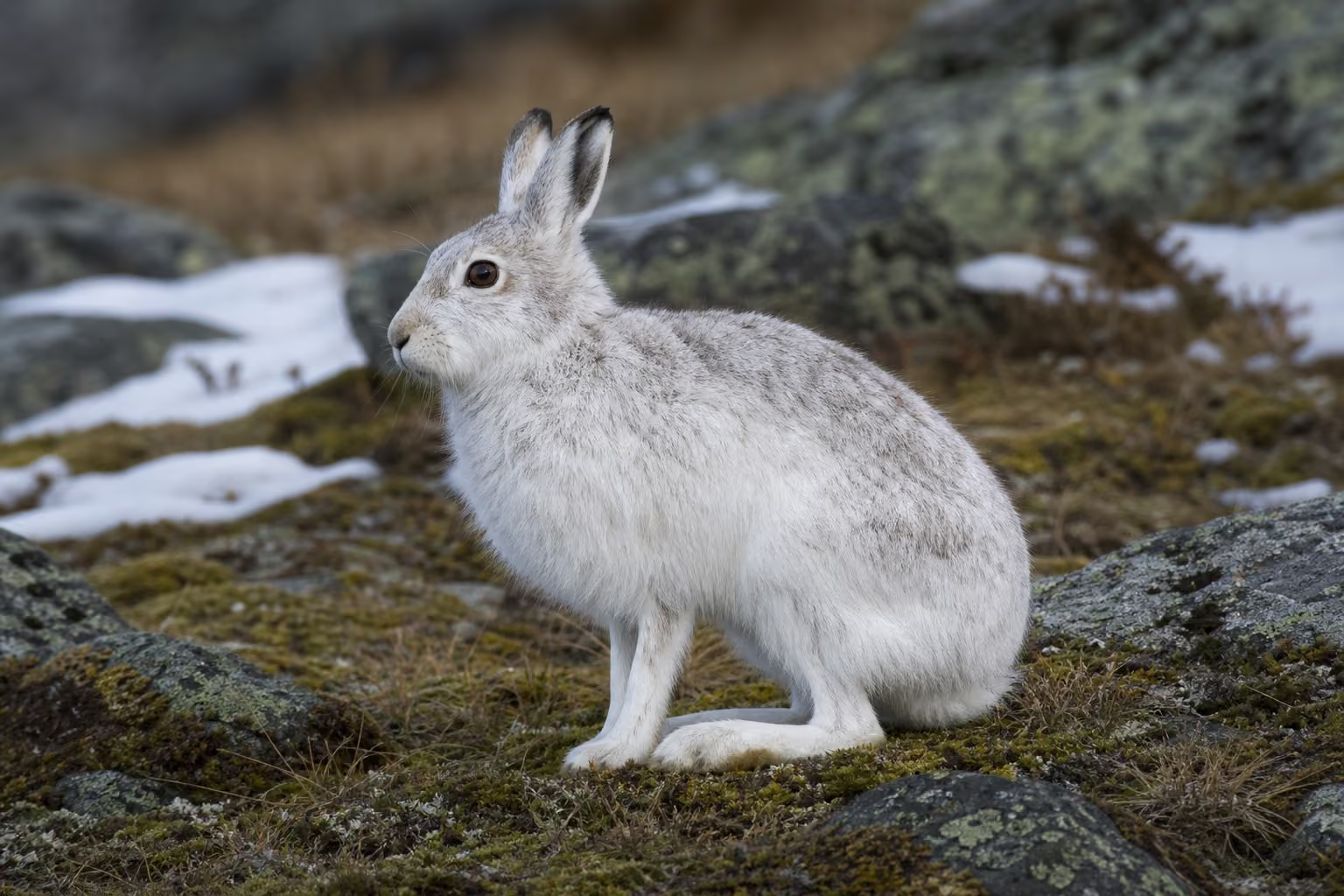
They have a long body, long ears with black tips, and powerful hind legs. Unlike some northern hares, they do not turn fully white in winter.

Behavior

They usually feed alone at dusk or night and rest in shallow ground forms. When alarmed, they escape with speed and sudden turns.

Feeding

They eat grasses, herbs, crops, shoots, and bark. Reingesting soft droppings helps extract nutrients from plant food.

Reproduction

Females give birth above ground to furred, open-eyed young. During the breeding season, boxing behavior occurs between rivals or mates.

Notes

The species can thrive in farmland, but intensive agriculture and loss of cover have reduced numbers in some regions.