560 Featured Specimen
Edible frog

Details

Edible frog

Pelophylax kl. esculentus

Size
5–12 cm
Diet
Carnivore
Activity
Diurnal
Sociality
Loose group
Lifespan

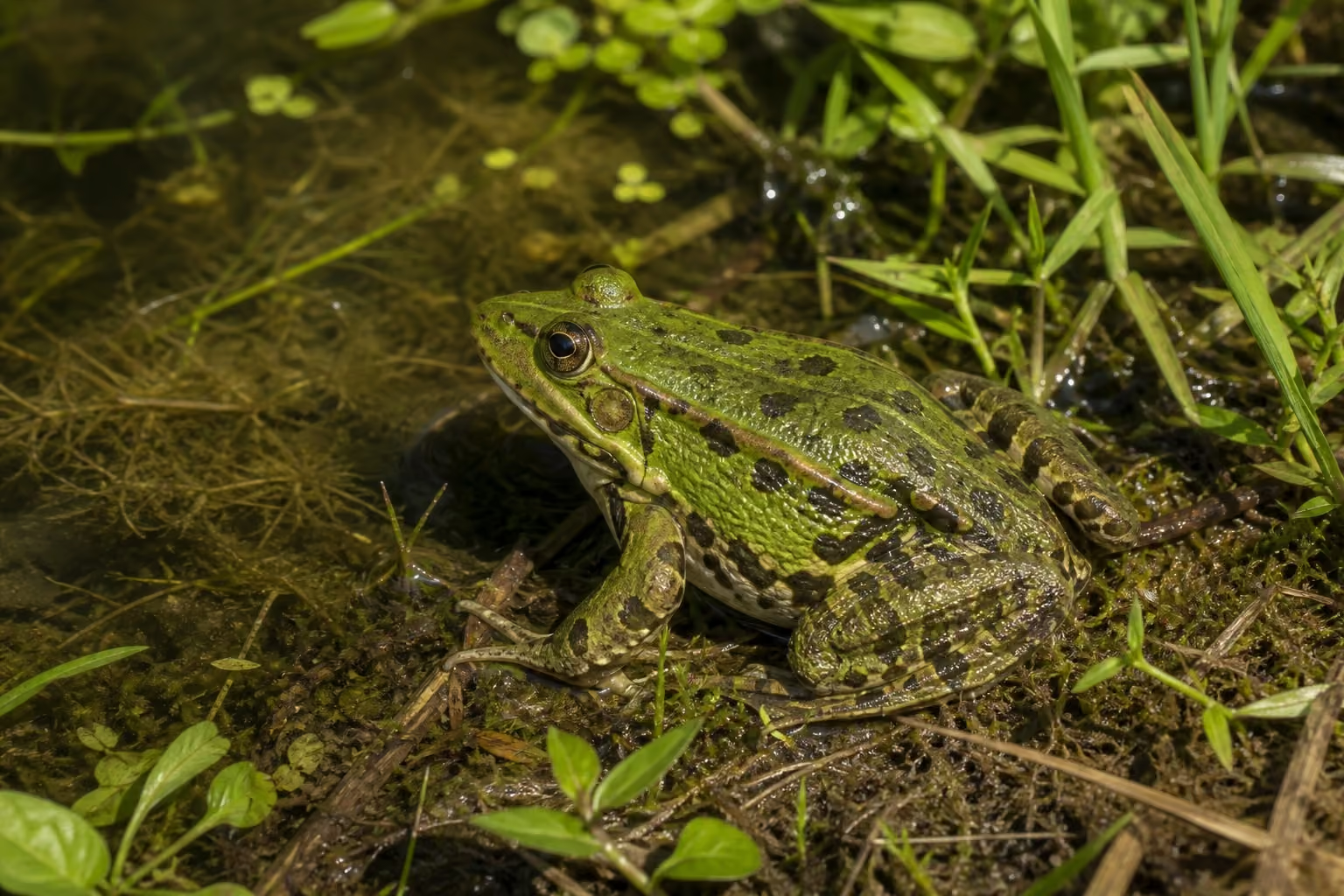
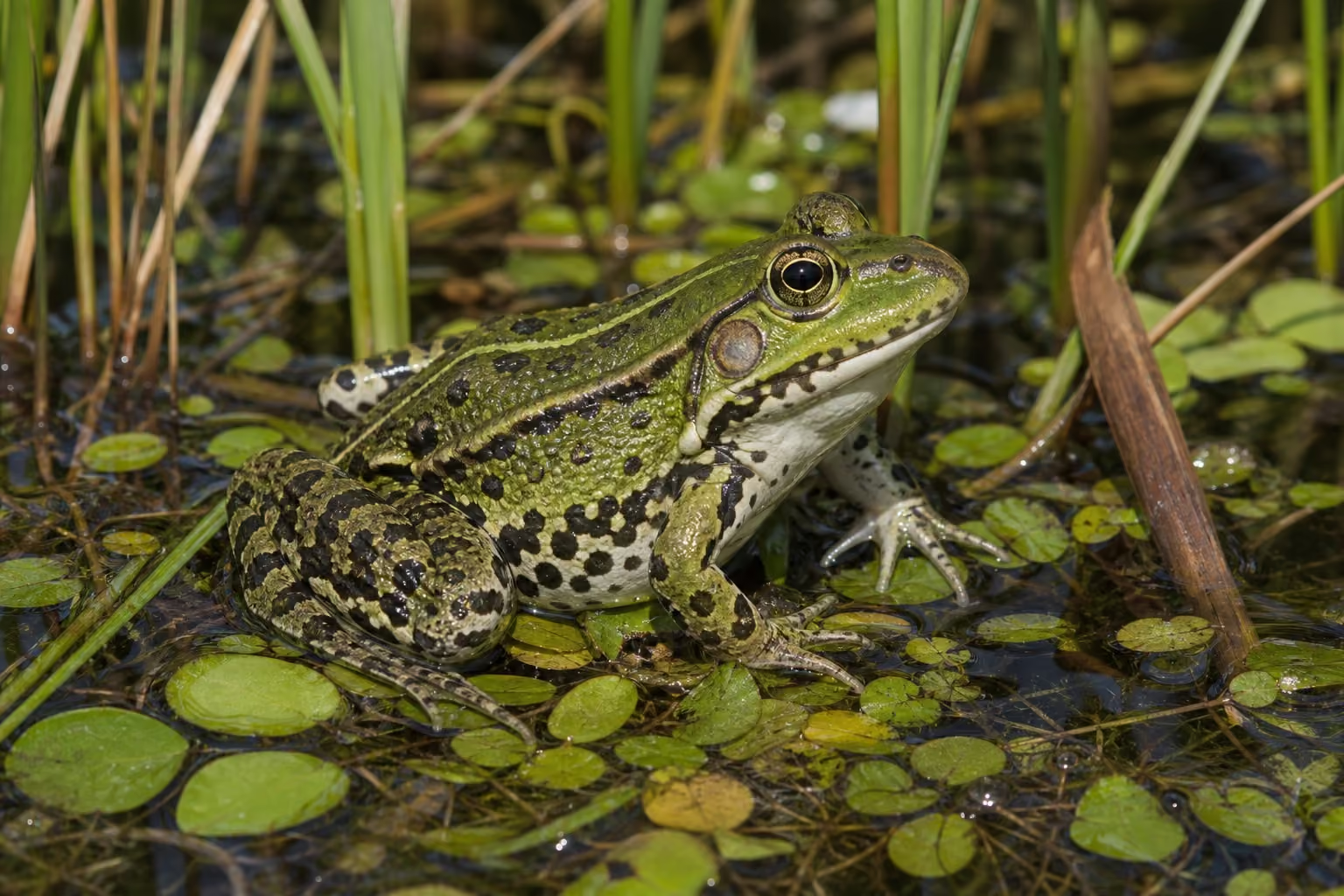
The edible frog is a green European water frog known as a hybrid lineage between pool frogs and marsh frogs. Its English name reflects a history of use for frog legs.
Range

Habitat range map
Native range Occasional / Transient
PalearcticPalearcticPalearcticPalearcticPalearcticPalearcticPalearcticPalearcticPalearcticPalearcticPalearcticPalearcticPalearcticPalearcticPalearcticPalearcticPalearcticPalearcticPalearcticPalearcticPalearcticPalearcticPalearcticPalearctic

Map: Ecoregions 2017 © RESOLVE (CC BY 4.0) · Natural Earth (PD)

Details

Habitat

It lives from northern France through central and eastern Europe in ponds, lakes, canals, marshes, rice fields and river edges. Open sunny water margins are favored.

Appearance

Adults are about 5-12 cm long. The back is green to brown with dark spots, sometimes with a pale dorsal stripe, and females tend to be larger than males.

Behavior

Often active by day, it basks at the water edge and dives quickly when disturbed. Breeding males call loudly from the surface.

Feeding

Insects, spiders, worms, small crustaceans and sometimes small frogs or fish are eaten. Prey is taken by ambush at the water margin.

Reproduction

Populations are maintained through complex hybridogenesis involving parental species. Eggs are laid in shallow vegetated water from spring into summer.

Notes

The frog is widespread and common, but introductions and hybridization with related frogs can complicate local amphibian conservation. The kl. in the name marks its hybrid lineage.