825 Featured Specimen
Edible dormouse

Details

Edible dormouse

Glis glis

Size
14–19 cm · 70–300 g
Diet
Herbivore
Activity
Nocturnal
Sociality
Solitary
Lifespan

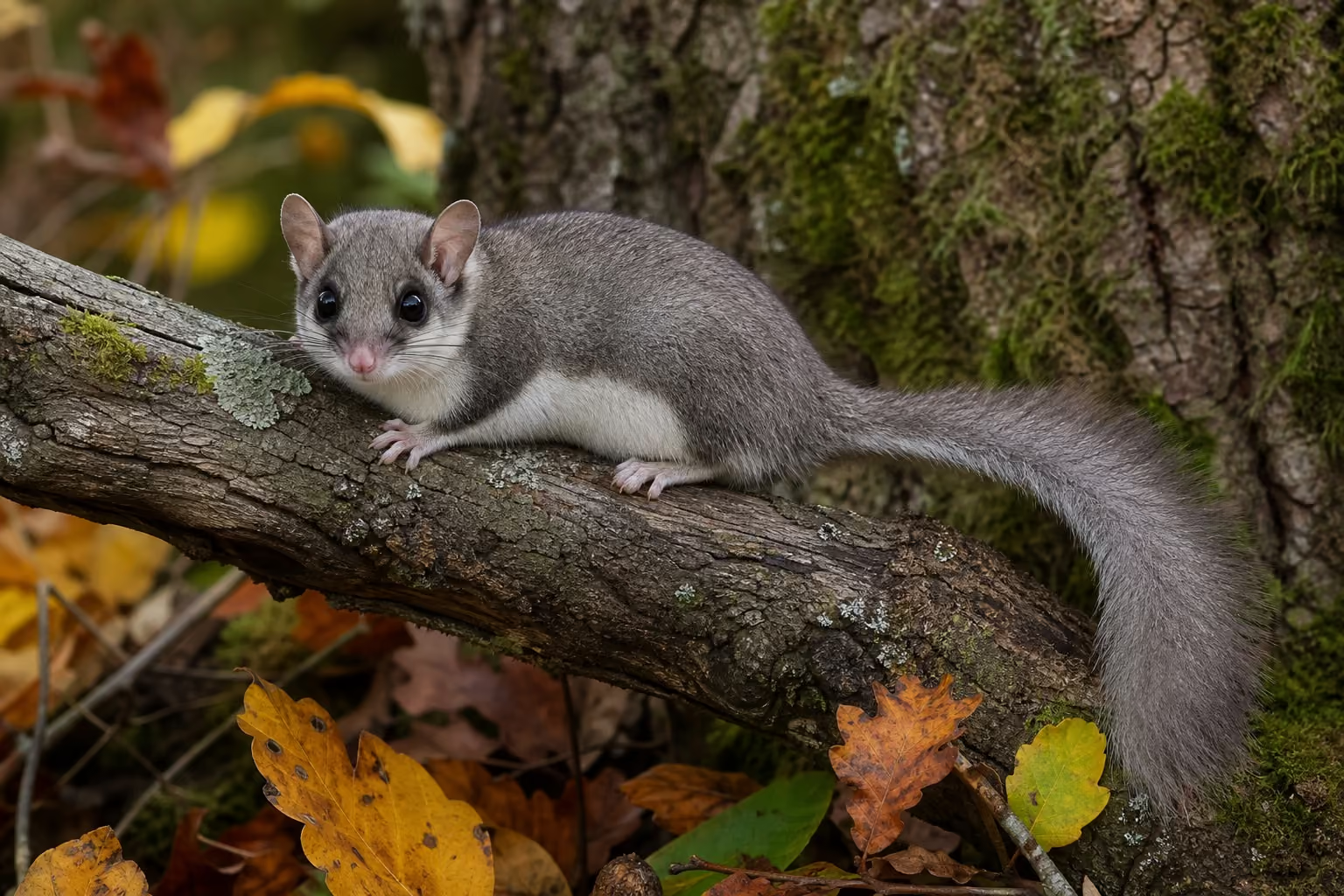
Edible dormouse is a large European dormouse of deciduous woods, historically kept as food in antiquity. The English name reflects its history as an animal fattened for food in Roman times.
Range

Habitat range map
Native range Occasional / Transient
PalearcticPalearcticPalearcticPalearcticPalearcticPalearcticPalearcticPalearcticPalearcticPalearcticPalearcticPalearcticPalearcticPalearcticPalearcticPalearcticPalearcticPalearcticPalearcticPalearcticPalearcticPalearcticPalearcticPalearctic

Map: Ecoregions 2017 © RESOLVE (CC BY 4.0) · Natural Earth (PD)

Details

Habitat

It uses beech and oak woods, orchards, and old buildings with tree holes or nest boxes. Main habitat types in this guide are forest, urban.

Appearance

Typical length 14-19 cm, weight 70 g-300 g. Gray fur, a white belly, bushy tail, and large dark eyes give it a squirrel-like look.

Behavior

It is nocturnal and usually solitary. It is nocturnal and arboreal, entering a long hibernation in cold seasons.

Feeding

It is herbivorous. Nuts, fruit, buds, and seeds are eaten, especially to build fat before hibernation.

Reproduction

Young are born in tree holes or nest boxes, and breeding success is linked to food-rich years.

Notes

Although still widespread in places, it remains sensitive to habitat change. The English name reflects its history as an animal fattened for food in Roman times.