651 Featured Specimen
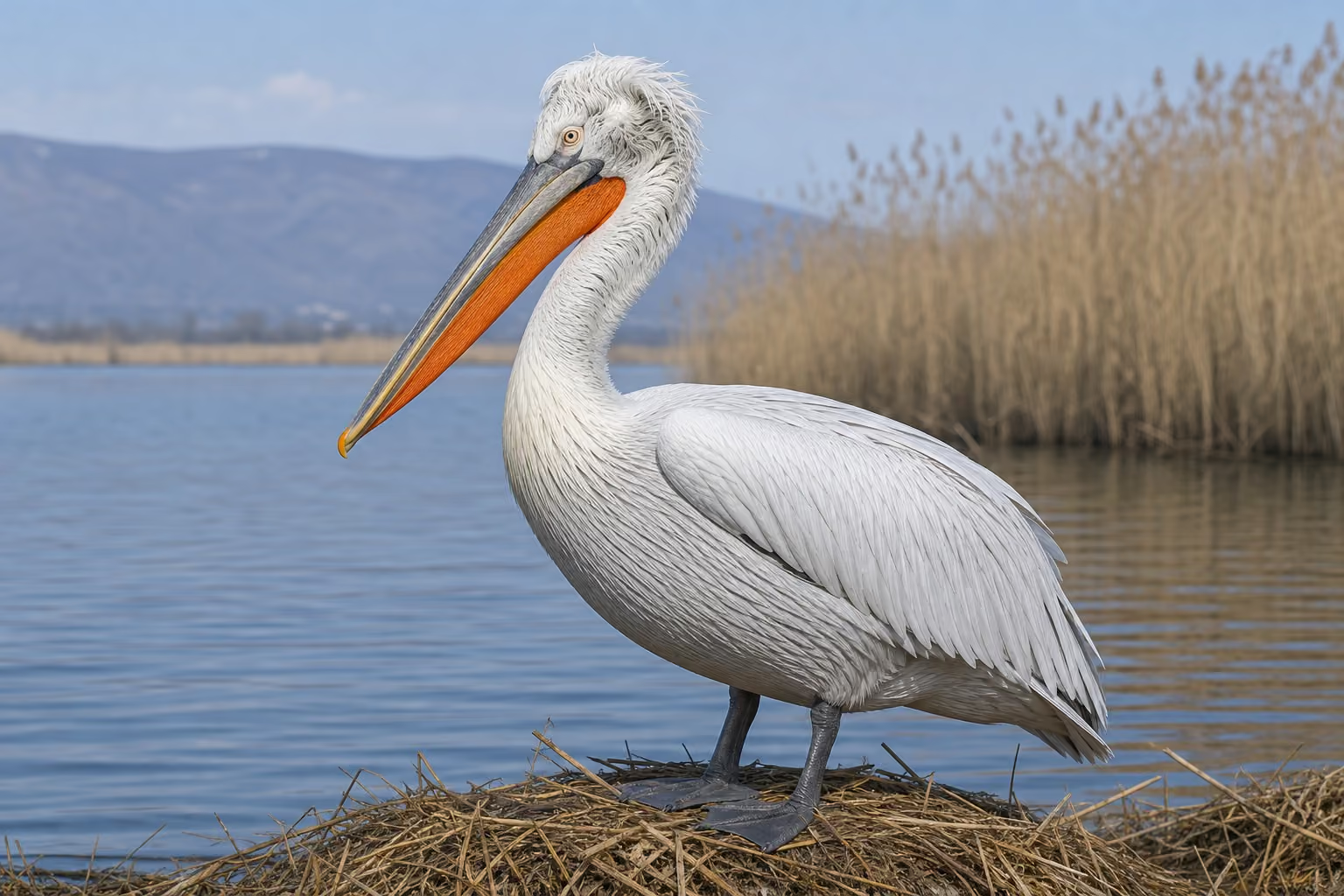
Dalmatian pelican

Details

Dalmatian pelican

Pelecanus crispus

Size
1.6–1.8 m · 7–15 kg
Diet
Carnivore
Activity
Diurnal
Sociality
Herd
Lifespan

One of the world's largest pelicans, with pale gray-white plumage, curly nape feathers, and a huge orange pouch in breeding season.
Range

Habitat range map
Native range Occasional / Transient
PalearcticPalearcticPalearcticPalearcticPalearcticPalearcticPalearcticPalearcticPalearcticPalearcticPalearcticPalearcticPalearcticPalearcticPalearcticPalearcticPalearcticPalearcticPalearcticPalearcticPalearcticPalearcticPalearcticPalearcticIndomalayanIndomalayanIndomalayanIndomalayanIndomalayanIndomalayanIndomalayanIndomalayanIndomalayanIndomalayanIndomalayanIndomalayanIndomalayanIndomalayanIndomalayan

Map: Ecoregions 2017 © RESOLVE (CC BY 4.0) · Natural Earth (PD)

Details

Habitat

Ranges from southeastern Europe to Central Asia on lakes, estuaries, deltas, and coastal lagoons.

Appearance

The body is massive and gray-white with broad wings. Curled nape feathers and an orange breeding pouch are distinctive.

Behavior

Groups swim together and drive fish into shallow water. Despite its size, it soars efficiently on thermals.

Feeding

Fish are the main food, scooped with the large throat pouch, often in cooperative feeding groups.

Reproduction

Colonies nest in reedbeds or on islands, where water-level shifts and disturbance can easily disrupt breeding.

Notes

Wetland degradation and disturbance caused declines, though protected breeding sites have helped some populations recover.