242 Featured Specimen
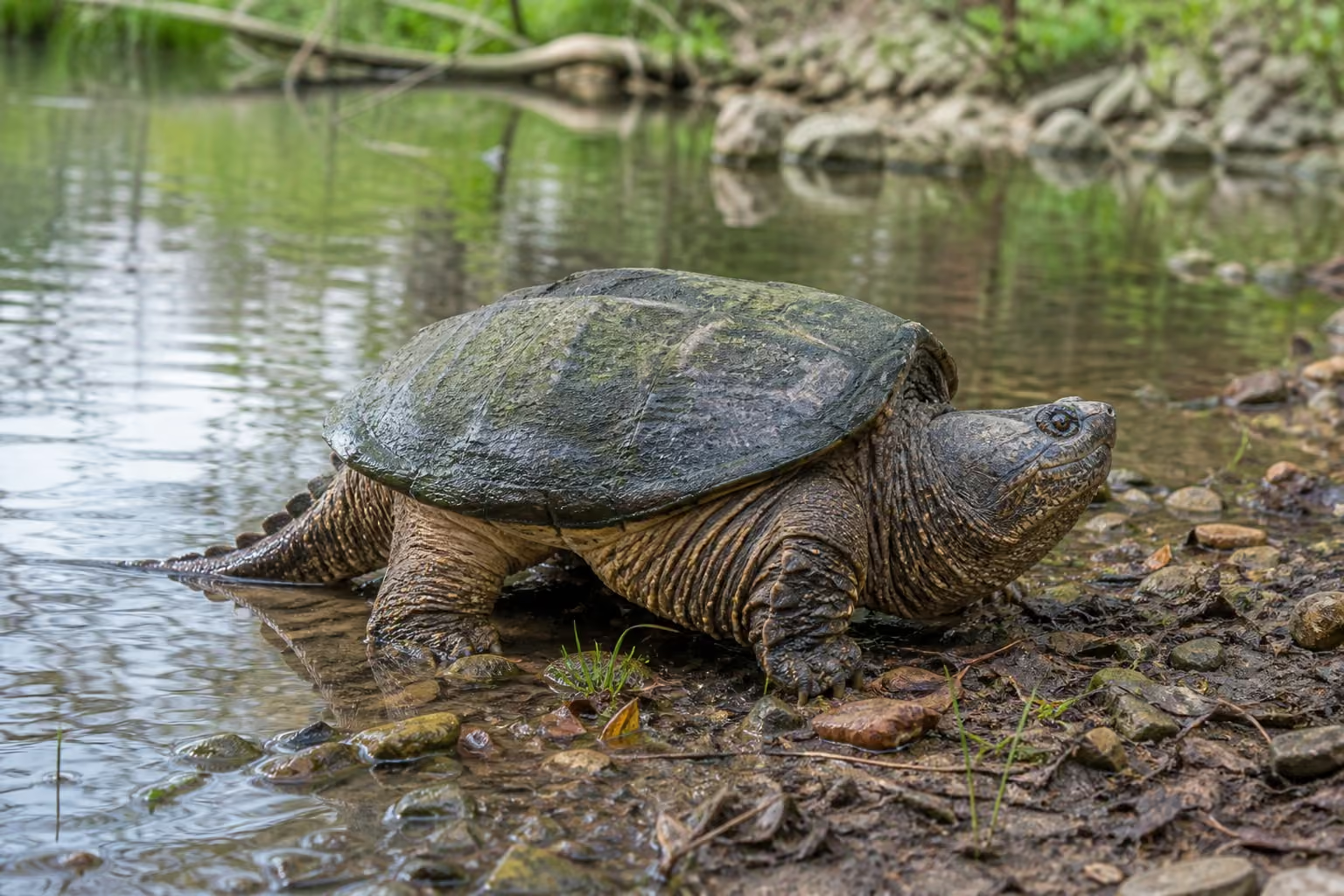
Common snapping turtle

Details

Common snapping turtle

Chelydra serpentina

Size
20–50 cm · 4.5–16 kg
Diet
Omnivore
Activity
Diurnal
Sociality
Solitary
Lifespan
10-40 years

The common snapping turtle is a robust freshwater turtle of the Nearctic. Diurnal and mostly solitary, it uses muddy waters for a broad omnivorous diet.
Range

Habitat range map
Native range Occasional / Transient
NearcticNearcticNearcticNearcticNearcticNearcticNearcticNearcticNearcticNearcticNearcticNearcticNearcticNearcticNearcticNearcticNearcticNearcticNearcticNearcticNearcticNearcticNearcticNearcticNearcticNearcticNearcticNearcticNearcticNearcticNearcticNearcticNearcticNearcticNearcticNearcticNearcticNearcticNearcticNearcticNearctic

Map: Ecoregions 2017 © RESOLVE (CC BY 4.0) · Natural Earth (PD)

Details

Habitat

It lives in ponds, lakes, marshes, slow rivers, and muddy canals. Aquatic plants, submerged wood, and soft bottoms suit it well.

Appearance

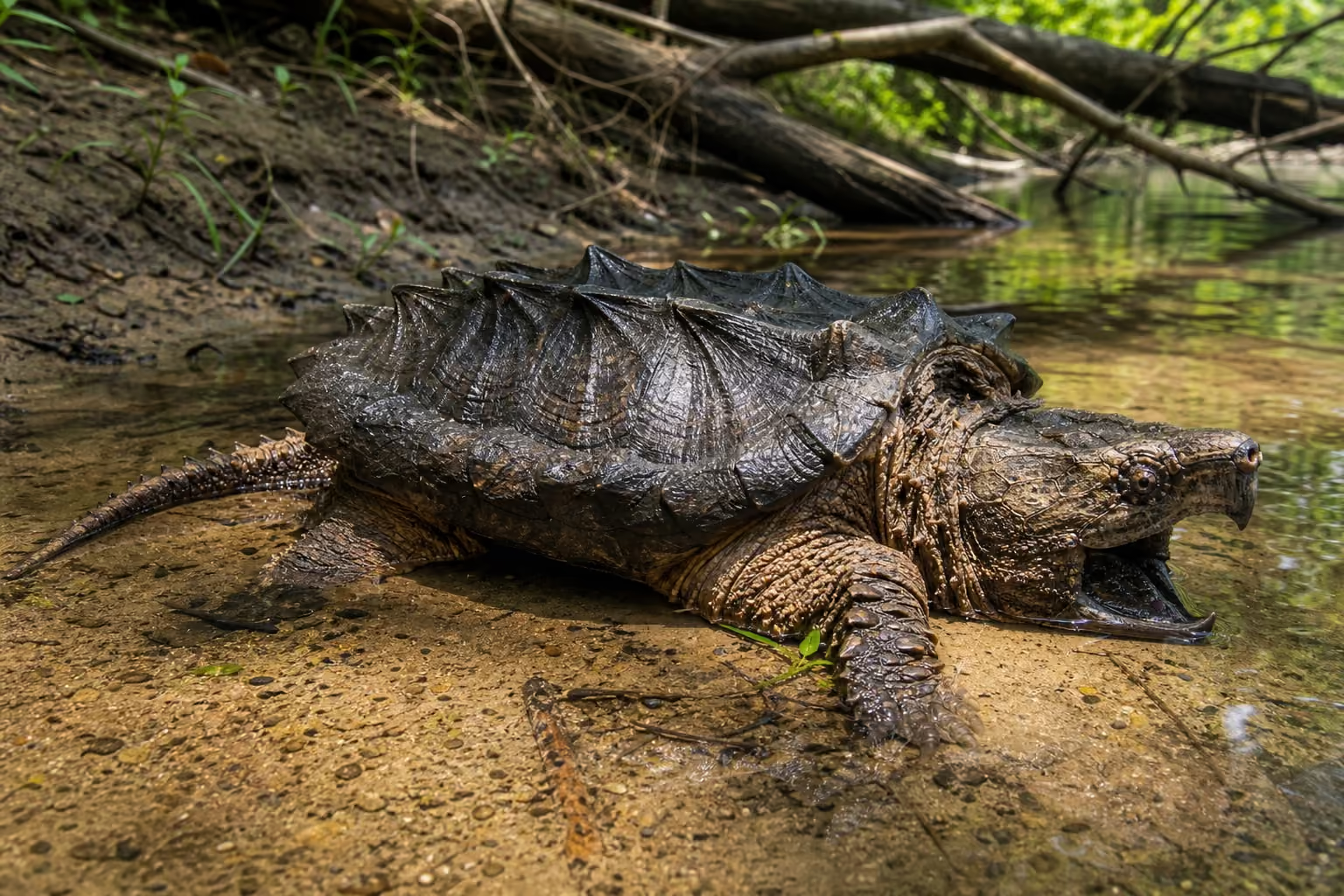
Shell length is about 20-50 cm and weight about 4.5-16 kg. A rugged shell, long tail, large head, and powerful jaws are characteristic.

Behavior

Underwater it often walks quietly along the bottom, but on land it can bite defensively when threatened. Individuals range alone through wetland habitats.

Feeding

It is omnivorous, eating fish, amphibians, invertebrates, carrion, and aquatic plants. It both ambushes prey and searches for food.

Reproduction

Females dig nests in soil or sand, sometimes away from water. Hatchlings emerge and travel to water on their own.

Notes

Its status is listed as Least Concern. Long life and slow maturity mean road mortality and heavy harvest can affect local populations.