610 Featured Specimen
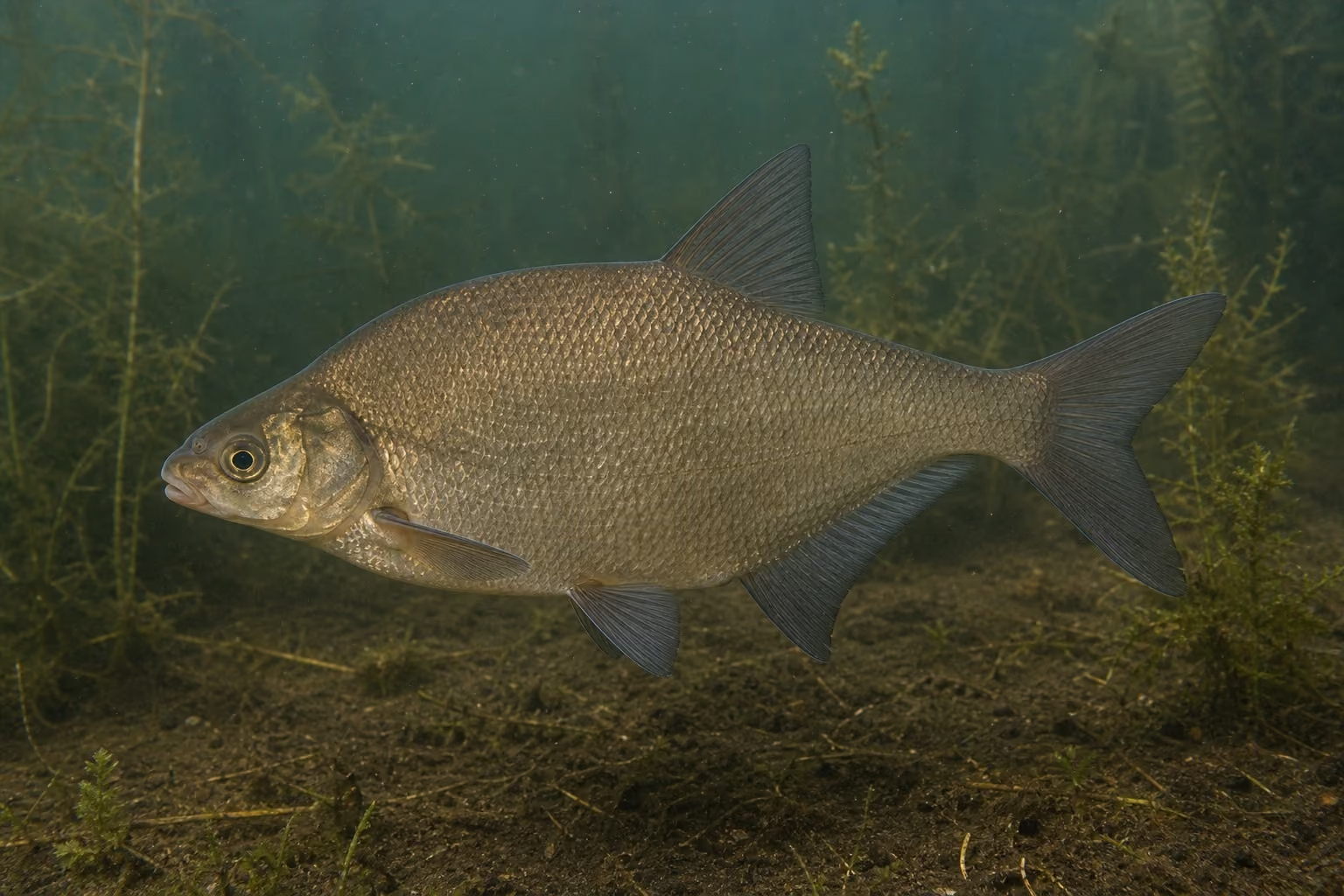
Common bream

Details

Common bream

Abramis brama

Size
20–82 cm · 0.2–9 kg
Diet
Omnivore
Activity
Diurnal
Sociality
Herd
Lifespan

A deep-bodied cyprinid of European lakes and slow rivers, often schooling near the bottom while searching for food.
Range

Habitat range map
Native range Occasional / Transient
PalearcticPalearcticPalearcticPalearcticPalearcticPalearcticPalearcticPalearcticPalearcticPalearcticPalearcticPalearcticPalearcticPalearcticPalearcticPalearcticPalearcticPalearcticPalearcticPalearcticPalearcticPalearcticPalearcticPalearctic

Map: Ecoregions 2017 © RESOLVE (CC BY 4.0) · Natural Earth (PD)

Details

Habitat

Uses lakes, lowland rivers, canals, and brackish waters, especially calm areas with mud bottoms and aquatic vegetation.

Appearance

The body is tall and laterally compressed, becoming bronze to gray-brown with age. The small mouth protrudes to suck food from the bottom.

Behavior

Schools forage near the bottom and stir sediment while feeding. In winter, groups often gather in deeper water.

Feeding

It is omnivorous, eating midge larvae, mollusks, crustaceans, and plant material from mud and vegetation.

Reproduction

Adults spawn in shallow vegetated water from spring into early summer. Sticky eggs attach to plants and submerged objects.

Notes

Common bream is a familiar European angling fish. Dense populations can increase turbidity and affect aquatic plants.