638 Featured Specimen
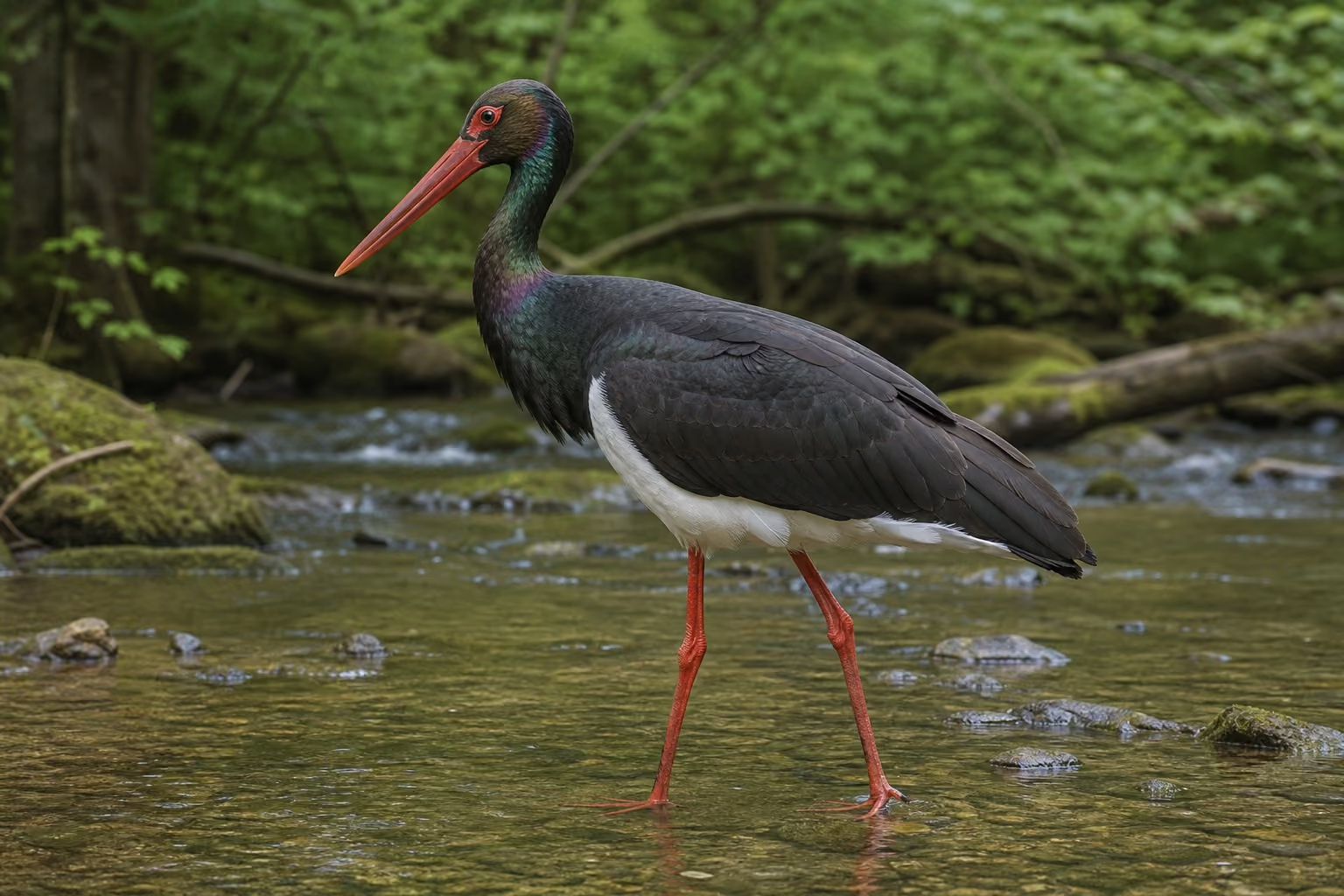
Black stork

Details

Black stork

Ciconia nigra

Size
1–1 m · 2–3.5 kg
Diet
Carnivore
Activity
Diurnal
Sociality
Pair
Lifespan

A forest stork with dark glossy upperparts, white underparts, and a red bill, often seen quietly foraging far from settlements.
Range

Habitat range map
Native range Occasional / Transient
PalearcticPalearcticPalearcticPalearcticPalearcticPalearcticPalearcticPalearcticPalearcticPalearcticPalearcticPalearcticPalearcticPalearcticPalearcticPalearcticPalearcticPalearcticPalearcticPalearcticPalearcticPalearcticPalearcticPalearcticAfrotropicalAfrotropicalAfrotropicalAfrotropicalIndomalayanIndomalayanIndomalayanIndomalayanIndomalayanIndomalayanIndomalayanIndomalayanIndomalayanIndomalayanIndomalayanIndomalayanIndomalayanIndomalayanIndomalayan

Map: Ecoregions 2017 © RESOLVE (CC BY 4.0) · Natural Earth (PD)

Details

Habitat

Breeds in Eurasian forests near streams and wetlands, with many birds wintering in African and South Asian wetlands.

Appearance

The upperparts are glossy black, the belly is white, and the bill and legs are red. The wings are broad for soaring.

Behavior

Usually solitary or paired, it walks through shallow water to feed and uses thermals during migration.

Feeding

It catches fish, frogs, aquatic insects, and small reptiles by striking quickly in shallow water.

Reproduction

Large nests are built in old trees or on cliffs. Both adults incubate and bring fish and other prey to the chicks.

Notes

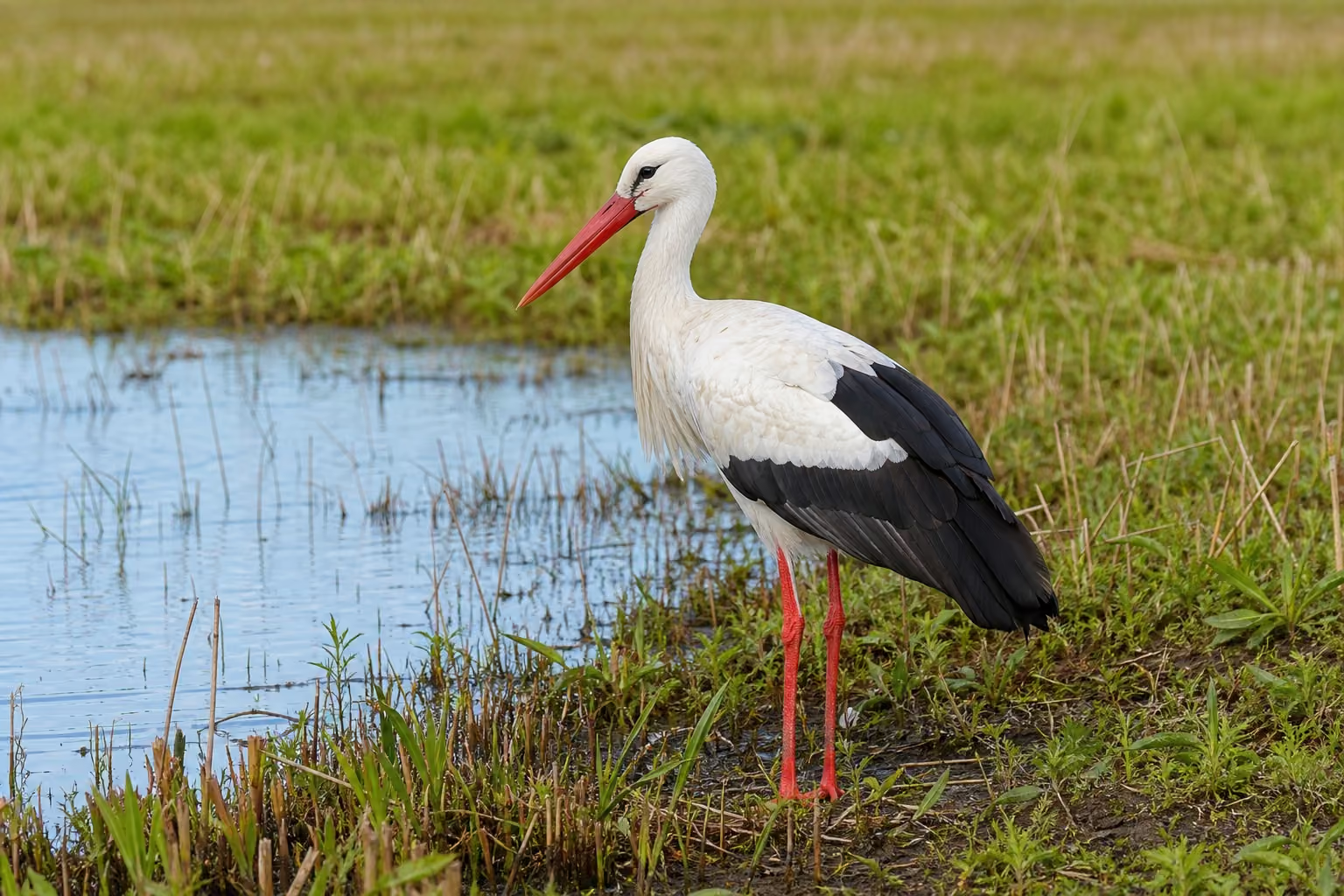
More secretive than the white stork, it depends on quiet wetlands and undisturbed nesting forests.