741 Featured Specimen
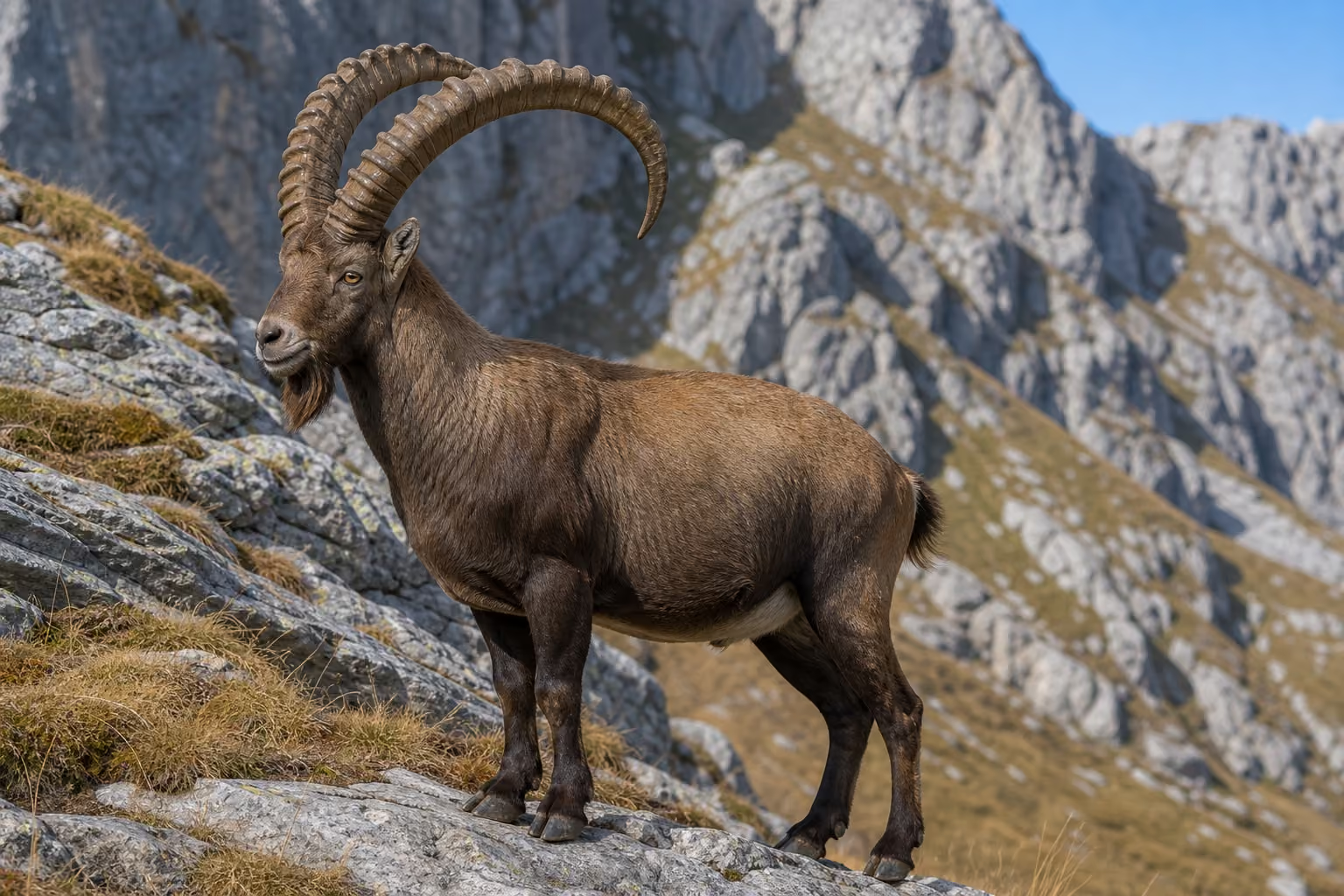
Alpine ibex

Details

Alpine ibex

Capra ibex

Size
1.2–1.7 m · 35–120 kg
Diet
Herbivore
Activity
Diurnal
Sociality
Herd
Lifespan

A wild goat of the Alps, specialized for cliffs and steep rocky slopes. Males are recognized by their long, backward-curving horns.
Range

Habitat range map
Native range Occasional / Transient
PalearcticPalearcticPalearcticPalearcticPalearcticPalearcticPalearcticPalearcticPalearcticPalearcticPalearcticPalearcticPalearcticPalearcticPalearcticPalearcticPalearcticPalearcticPalearcticPalearcticPalearcticPalearcticPalearcticPalearctic

Map: Ecoregions 2017 © RESOLVE (CC BY 4.0) · Natural Earth (PD)

Details

Habitat

Alpine ibex live on high mountain cliffs, meadows, and slopes near the snowline. They use higher grasslands in summer and wind-exposed slopes in winter.

Appearance

The body is sturdy, and adult males carry thick scimitar-shaped horns. Females are smaller with shorter horns, and winter coats are denser and darker.

Behavior

They feed by day and often separate into female-young groups and male groups. Rocky terrain provides escape routes from predators and disturbance.

Feeding

They graze alpine herbs and grasses and browse shrubs and lichens. Feeding sites shift with snowmelt and seasonal plant growth.

Reproduction

The rut occurs in winter, when males display size and horn strength. Females usually give birth to one kid in early summer.

Notes

Once reduced severely, the species recovered across the Alps through protection and reintroductions.