White rhinoceros

Details

White rhinoceros

Ceratotherium simum

Size
3.4–4.2 m · 1.4–3.6 t
Diet
Herbivore
Activity
Cathemeral
Sociality
Herd
Lifespan

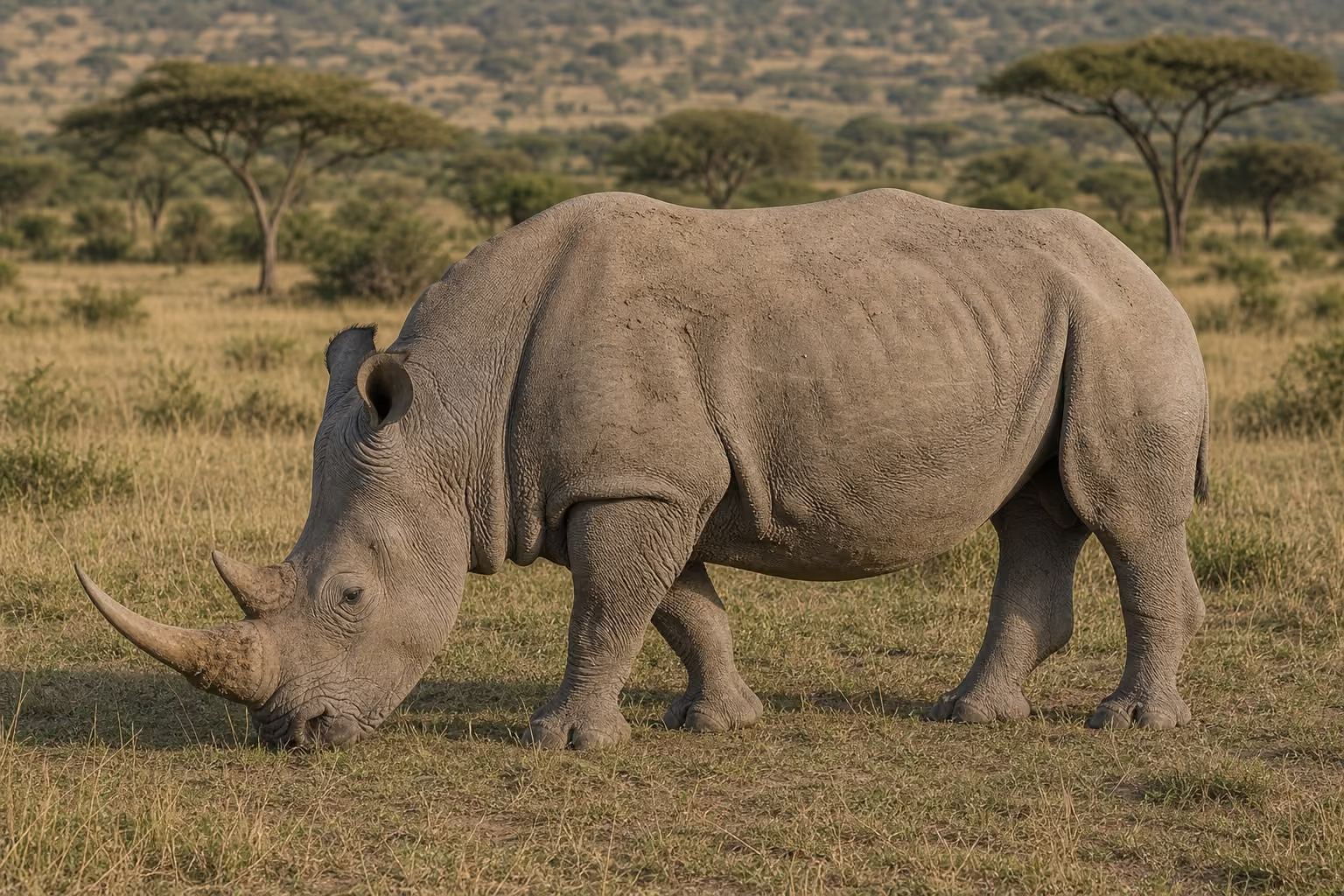
A massive African rhinoceros of open grasslands. Its broad grazing mouth gives it the alternative name square-lipped rhinoceros.

View in catalog
Key facts

  • White rhinoceros (Ceratotherium simum) is a herbivore animal classified as Mammal · Perissodactyla · Rhinocerotidae.
  • Primary habitats are savanna · grassland, with a range across Afrotropical.
  • Activity is cathemeral, sociality is herd, and conservation status is NT (Near Threatened).
  • A massive African rhinoceros of open grasslands.
  • White rhinos inhabit savanna, grassland, and open scrub where water, wallows, and short grazing lawns are available.

Range

Habitat range map
Native rangeOccasional / Transient
AfrotropicalAfrotropicalAfrotropicalAfrotropical

Map: Ecoregions 2017 © RESOLVE (CC BY 4.0) · Natural Earth (PD)

Details

Habitat

White rhinos inhabit savanna, grassland, and open scrub where water, wallows, and short grazing lawns are available.

Appearance

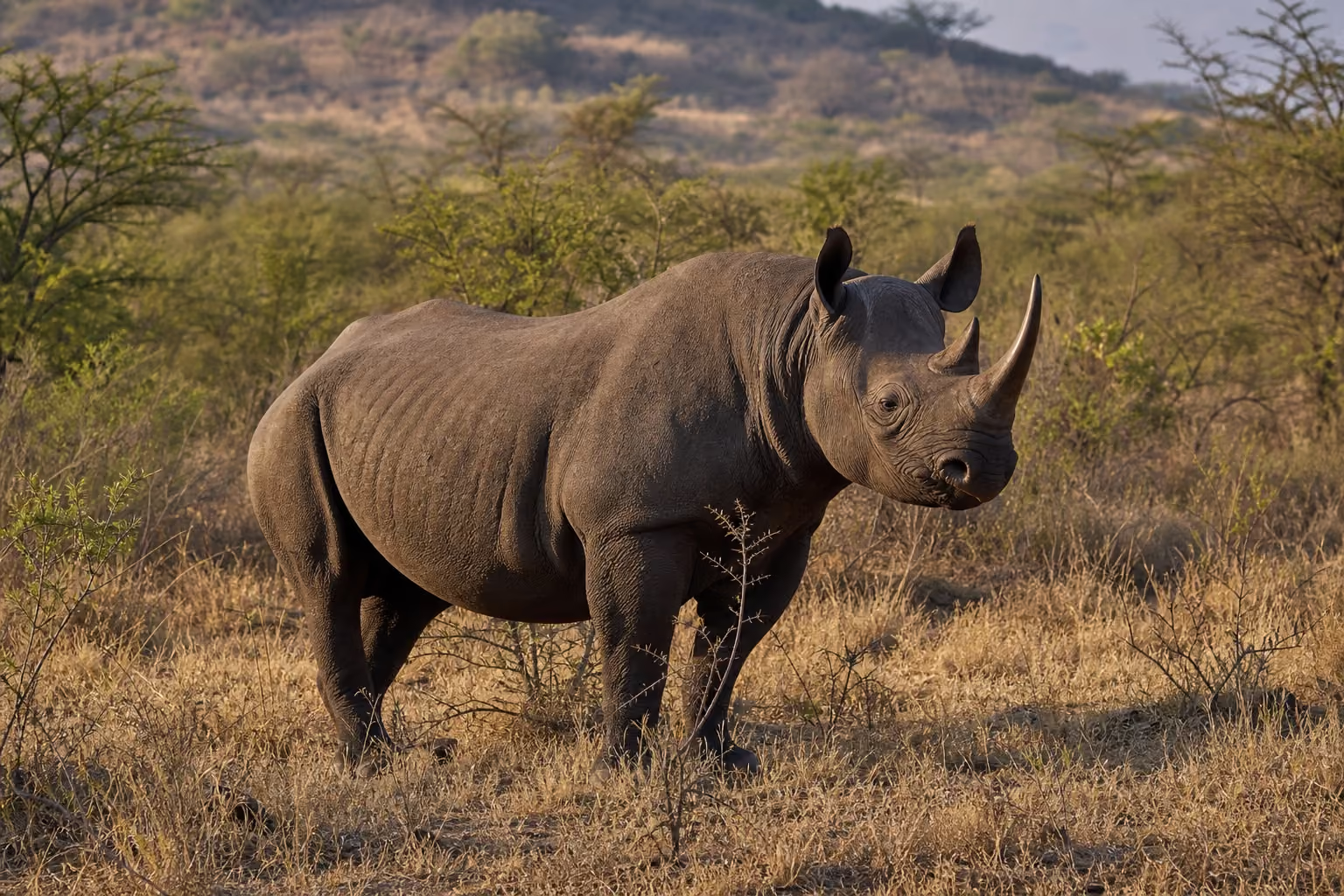
They have a huge body, two horns, a broad flat upper lip, and thick gray skin. Compared with black rhinos, they feed with the head held low.

Behavior

Females and young form loose groups, while adult males often hold territories. Wallowing helps with cooling and parasite control.

Feeding

They graze mainly on short grasses, cropping vegetation with the wide mouth and influencing grassland structure.

Reproduction

Females bear single calves that remain with them for years. Long intervals between calves make recovery from poaching slow.

Notes

Southern populations recovered through conservation, but poaching remains severe. The northern white rhinoceros is near functional extinction.