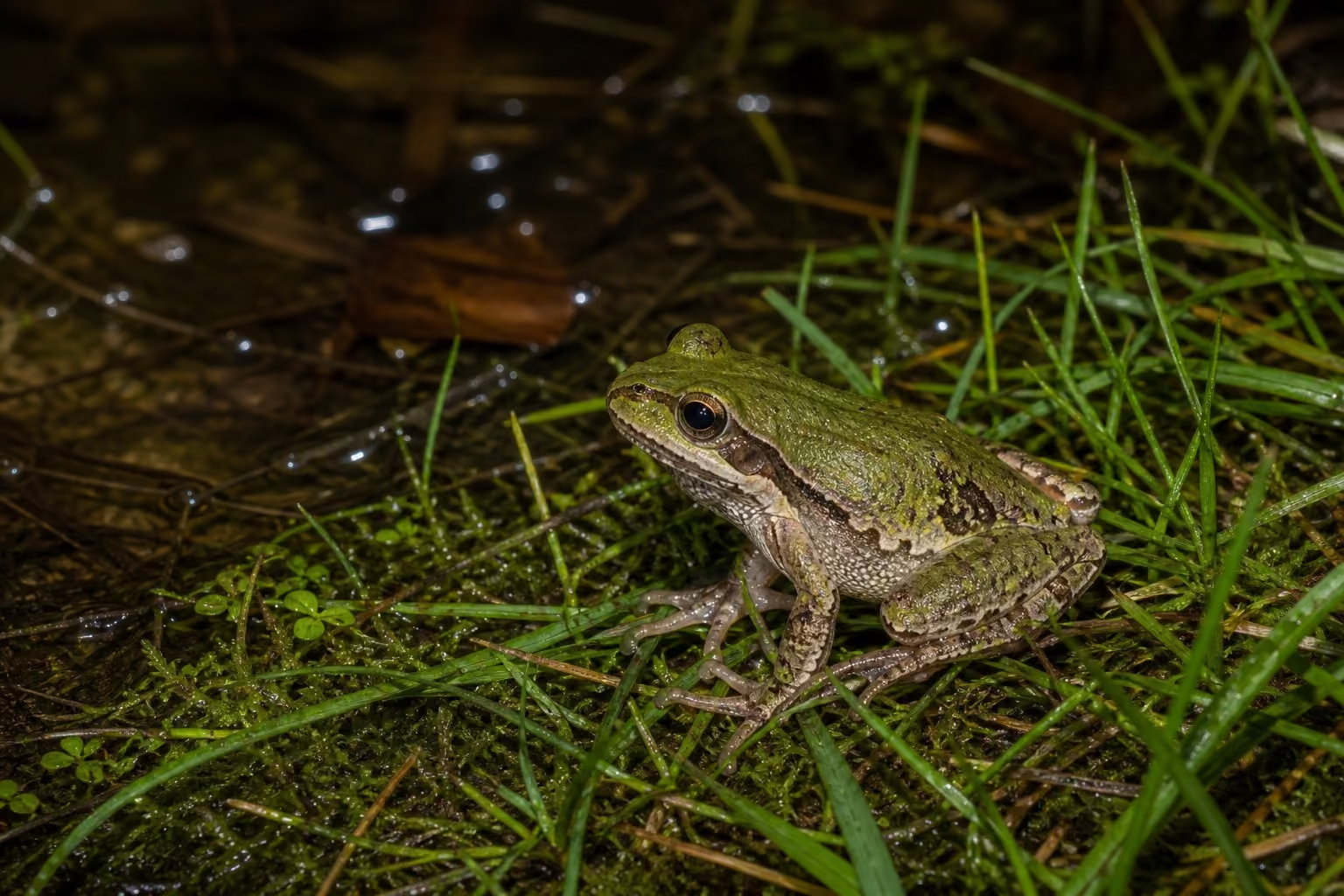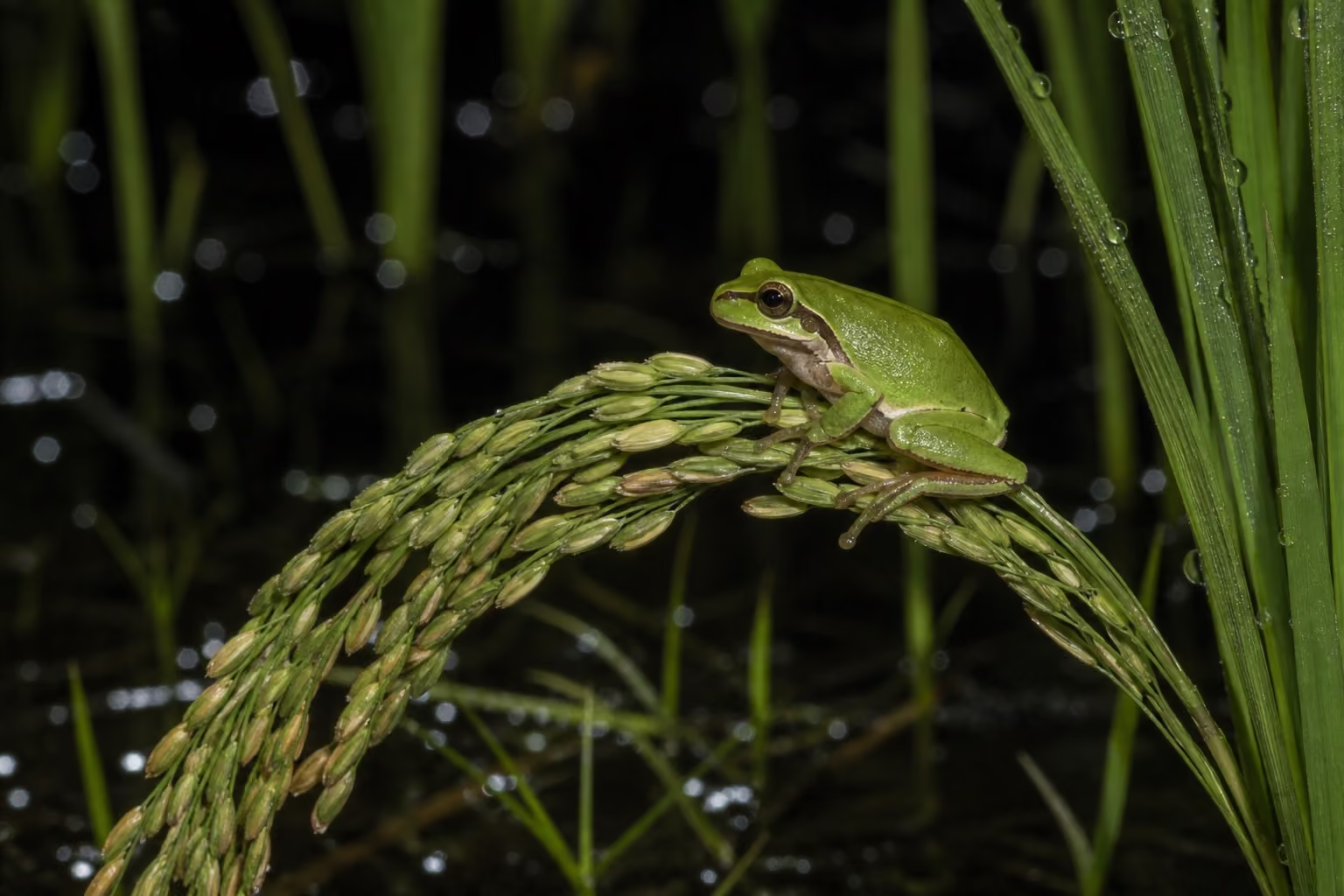
Japanese tree frog

Details

Japanese tree frog

Dryophytes japonicus

Size
2.5–4.5 cm
Diet
Carnivore
Activity
Nocturnal
Sociality
Solitary
Lifespan

The Japanese tree frog is a small, familiar treefrog of East Asia. It calls around rice fields and gardens and climbs vegetation or walls with adhesive toe pads.

View in catalog
Key facts

  • Japanese tree frog (Dryophytes japonicus) is a carnivore animal classified as Amphibian · Anura · Hylidae.
  • Primary habitats are forest · grassland · freshwater · urban, with a range across Palearctic.
  • Activity is nocturnal, sociality is solitary, and conservation status is LC (Least Concern).
  • The Japanese tree frog is a small, familiar treefrog of East Asia.
  • It is widespread in Japan, Korea, China and nearby areas, using forest edges, grassland, rice fields, wetlands, farms and towns.

Range

Habitat range map
Native rangeOccasional / Transient
PalearcticPalearcticPalearcticPalearcticPalearcticPalearcticPalearcticPalearcticPalearcticPalearcticPalearcticPalearcticPalearcticPalearcticPalearcticPalearcticPalearcticPalearcticPalearcticPalearcticPalearcticPalearcticPalearcticPalearctic

Map: Ecoregions 2017 © RESOLVE (CC BY 4.0) · Natural Earth (PD)

Details

Habitat

It is widespread in Japan, Korea, China and nearby areas, using forest edges, grassland, rice fields, wetlands, farms and towns. Breeding draws adults to paddies, ponds and shallow channels.

Appearance

Adults are about 2.5-4.5 cm long. The back is usually green but may shift brown or gray, with a dark line from the snout through the eye and a pale underside.

Behavior

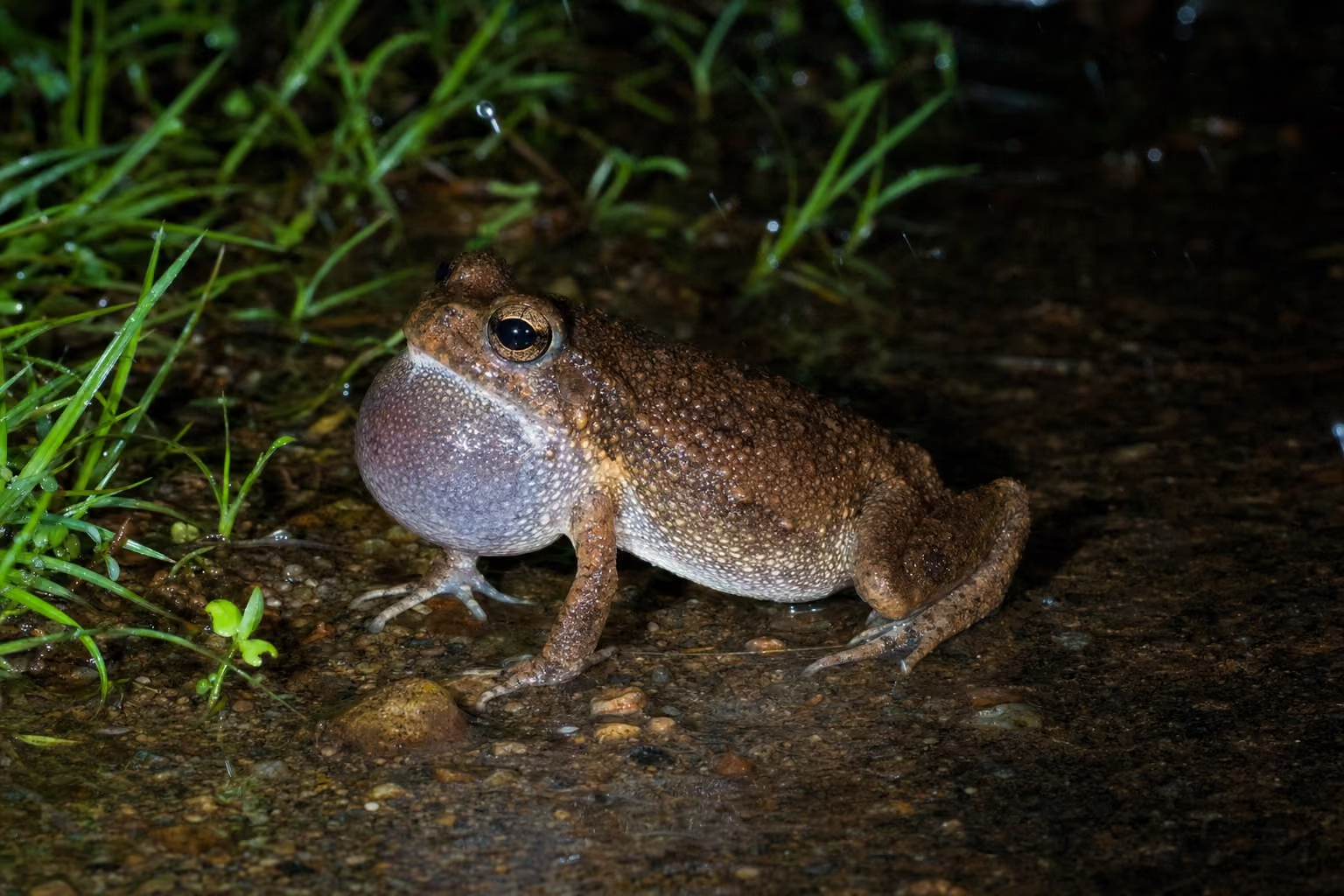
Nocturnal males call in choruses around water, especially after rain and in early summer. By day, frogs rest on leaves, among grasses or in gaps around buildings.

Feeding

Flies, moths, mosquitoes, ants, spiders and other small invertebrates are taken. Around rice fields, it also eats agricultural pests.

Reproduction

Breeding runs from spring into summer in shallow water. Females lay small egg masses, and tadpoles grow in warm paddies, ponds and ditches.

Notes

The species remains common near people and is listed as Least Concern. Its tolerance of cold and dry spells helps it persist across seasonal East Asian landscapes.