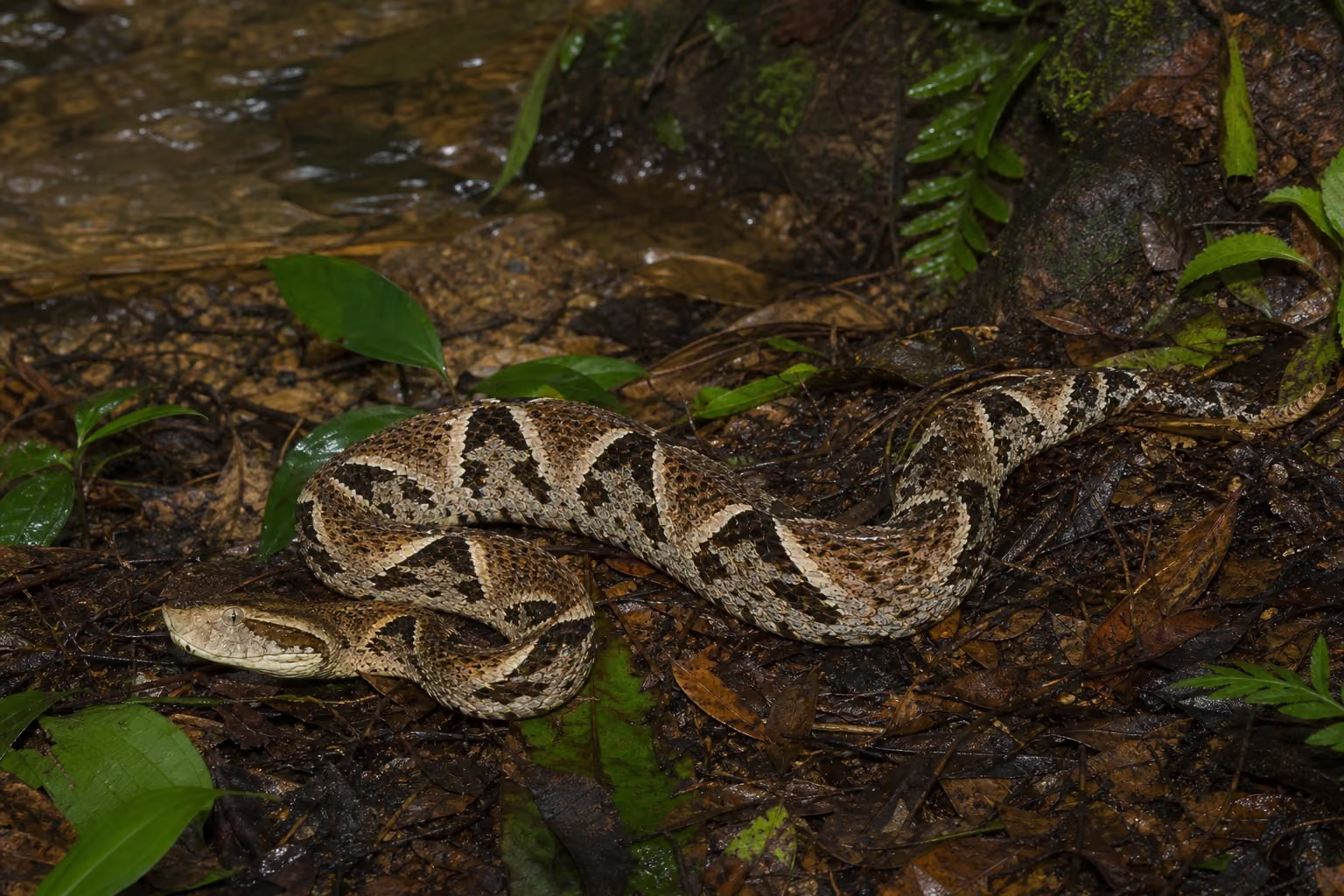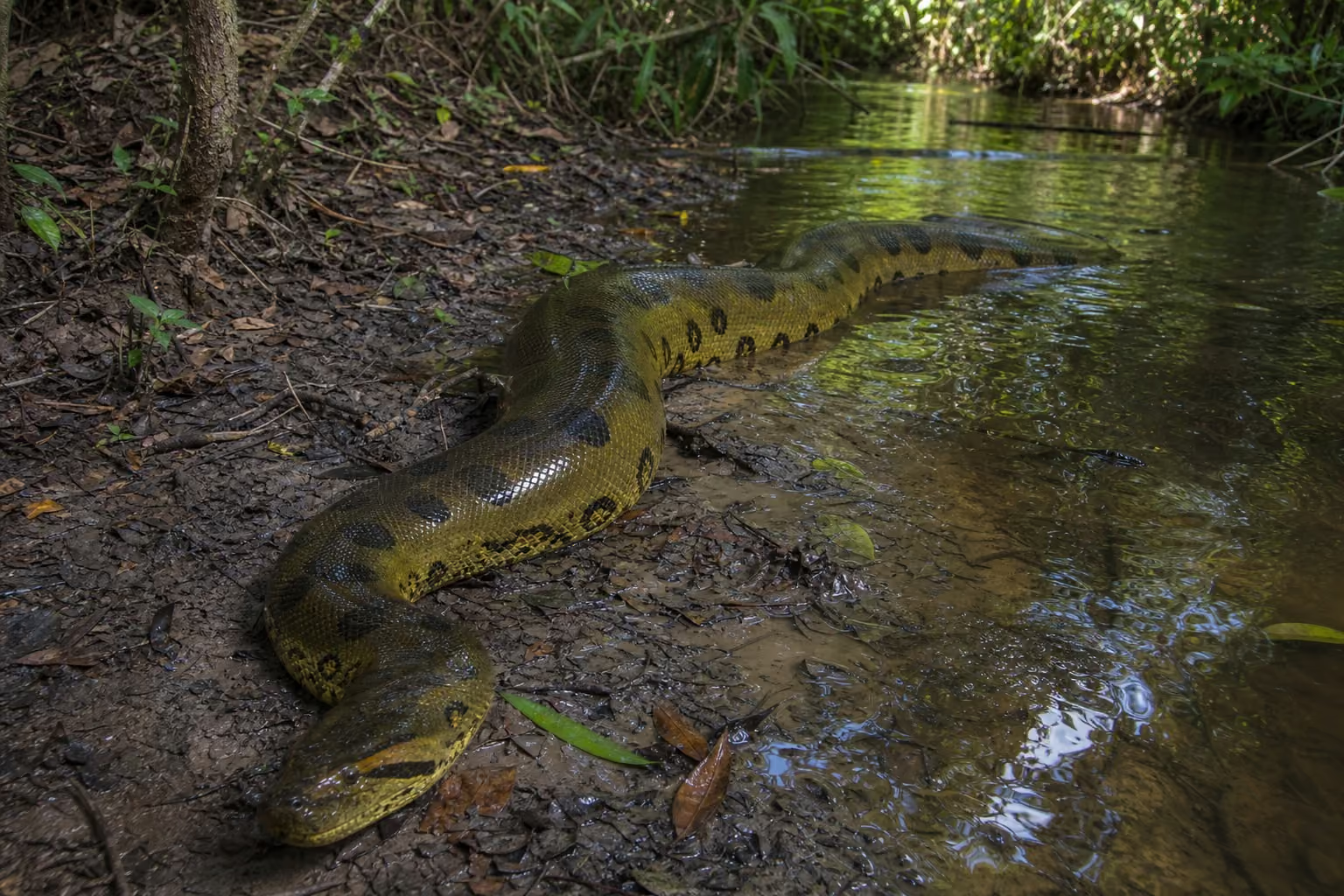
Green anaconda

Details

Green anaconda

Eunectes murinus

Size
3–6 m · 30–200 kg
Diet
Carnivore
Activity
Diurnal
Sociality
Solitary
Lifespan
10-40 years

The green anaconda is a giant boa of Neotropical wetlands and forests. Listed here as diurnal and solitary, it often waits from water for passing prey.

View in catalog
Key facts

  • Green anaconda (Eunectes murinus) is a carnivore animal classified as Reptile · Squamata · Boidae.
  • Primary habitats are freshwater · forest, with a range across Neotropical.
  • Activity is diurnal, sociality is solitary, and conservation status is LC (Least Concern).
  • The green anaconda is a giant boa of Neotropical wetlands and forests.
  • It uses marshes, rivers, flooded forest, swamps, and slow freshwater.
  • Typical lifespan: 10-40 years

Range

Habitat range map
Native rangeOccasional / Transient
NeotropicalNeotropicalNeotropicalNeotropicalNeotropicalNeotropicalNeotropicalNeotropical

Map: Ecoregions 2017 © RESOLVE (CC BY 4.0) · Natural Earth (PD)

Details

Habitat

It uses marshes, rivers, flooded forest, swamps, and slow freshwater. Submerged cover and sheltered banks are central to its life.

Appearance

Length is about 300-600 cm and weight about 30-200 kg. A very thick body, upward-facing eyes and nostrils, and dark oval blotches on olive-green skin are typical.

Behavior

It spends much time in or near water, usually hunting alone by ambush. Strong swimming and shoreline cover let it approach prey quietly.

Feeding

It is carnivorous, taking fish, birds, mammals, and reptiles. It is nonvenomous, killing by constriction before swallowing prey whole.

Reproduction

It gives birth to live young rather than laying eggs. During breeding, several males may gather around one female.

Notes

Its status is listed as Least Concern. Large individuals are famous, but the species depends fundamentally on healthy wetlands and flooded forest.