Red-footed booby

Details

Red-footed booby

Sula sula

Size
64–76 cm · 0.9–1.1 kg
Diet
Carnivore
Activity
Diurnal
Sociality
Herd
Lifespan

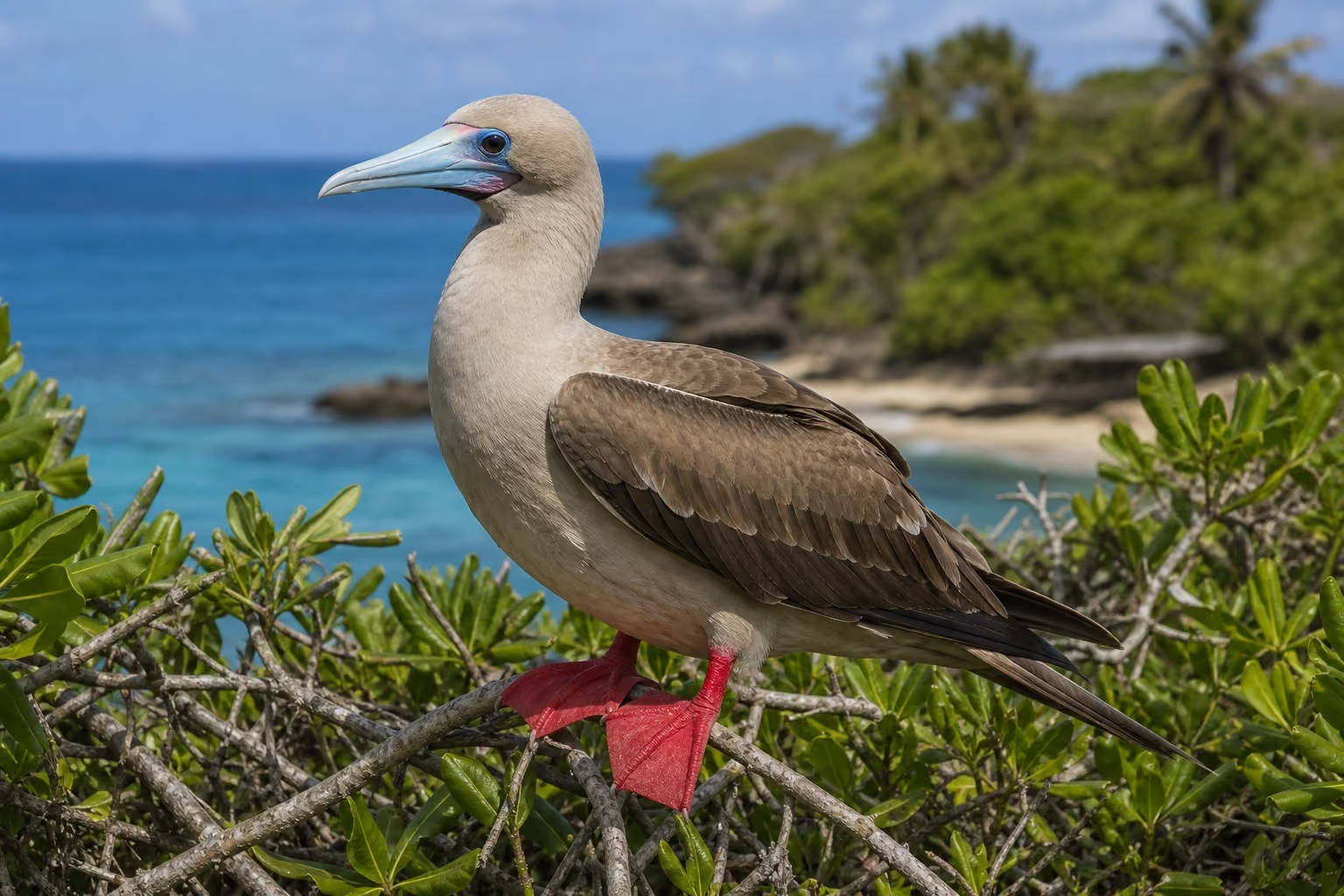
A tropical ocean booby with vivid red feet, a bluish bill, and several color morphs.

View in catalog

Key facts

  • Red-footed booby (Sula sula) is a carnivore animal classified as Bird · Suliformes · Sulidae.
  • Primary habitats are open ocean · coast, with a range across Pacific Ocean · Atlantic Ocean · Indian Ocean · Neotropical · Indomalayan · Australasian.
  • Activity is diurnal, sociality is herd, and conservation status is LC (Least Concern).
  • A tropical ocean booby with vivid red feet, a bluish bill, and several color morphs.
  • Occurs around tropical islands and surrounding seas of the Pacific, Indian, and Atlantic oceans, often nesting in shrubs or coastal woodland.

Range

Habitat range map
Native rangeOccasional / Transient
Pacific OceanPacific OceanPacific OceanAtlantic OceanAtlantic OceanAtlantic OceanAtlantic OceanAtlantic OceanIndian OceanNeotropicalNeotropicalNeotropicalNeotropicalNeotropicalNeotropicalNeotropicalNeotropicalIndomalayanIndomalayanIndomalayanIndomalayanIndomalayanIndomalayanIndomalayanIndomalayanIndomalayanIndomalayanIndomalayanIndomalayanIndomalayanIndomalayanIndomalayanAustralasianAustralasianAustralasianAustralasianAustralasianAustralasianAustralasianAustralasianAustralasianAustralasianAustralasianAustralasianAustralasianAustralasianAustralasianAustralasianAustralasian

Map: Ecoregions 2017 © RESOLVE (CC BY 4.0) · Natural Earth (PD)

Details

Habitat

Occurs around tropical islands and surrounding seas of the Pacific, Indian, and Atlantic oceans, often nesting in shrubs or coastal woodland.

Appearance

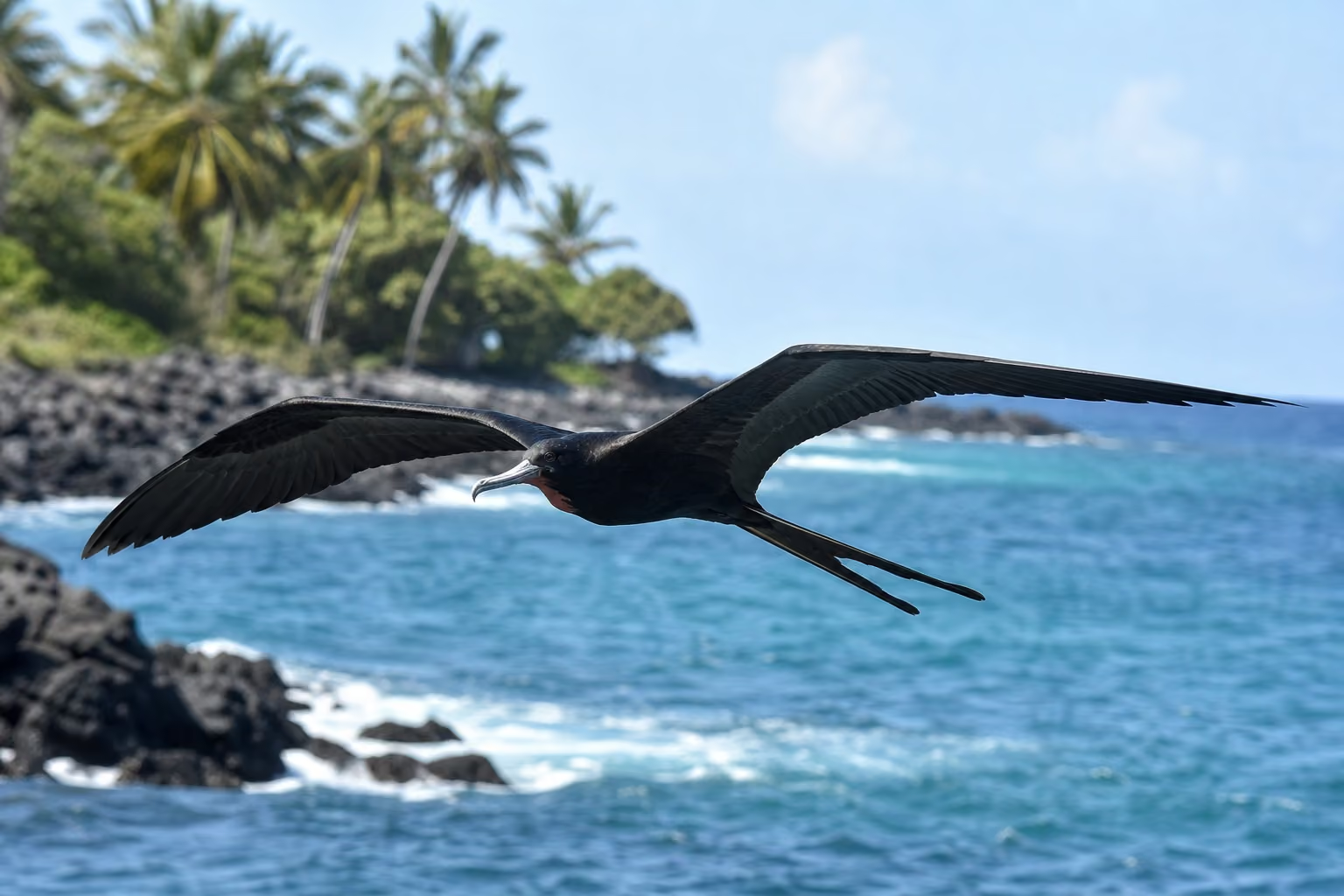
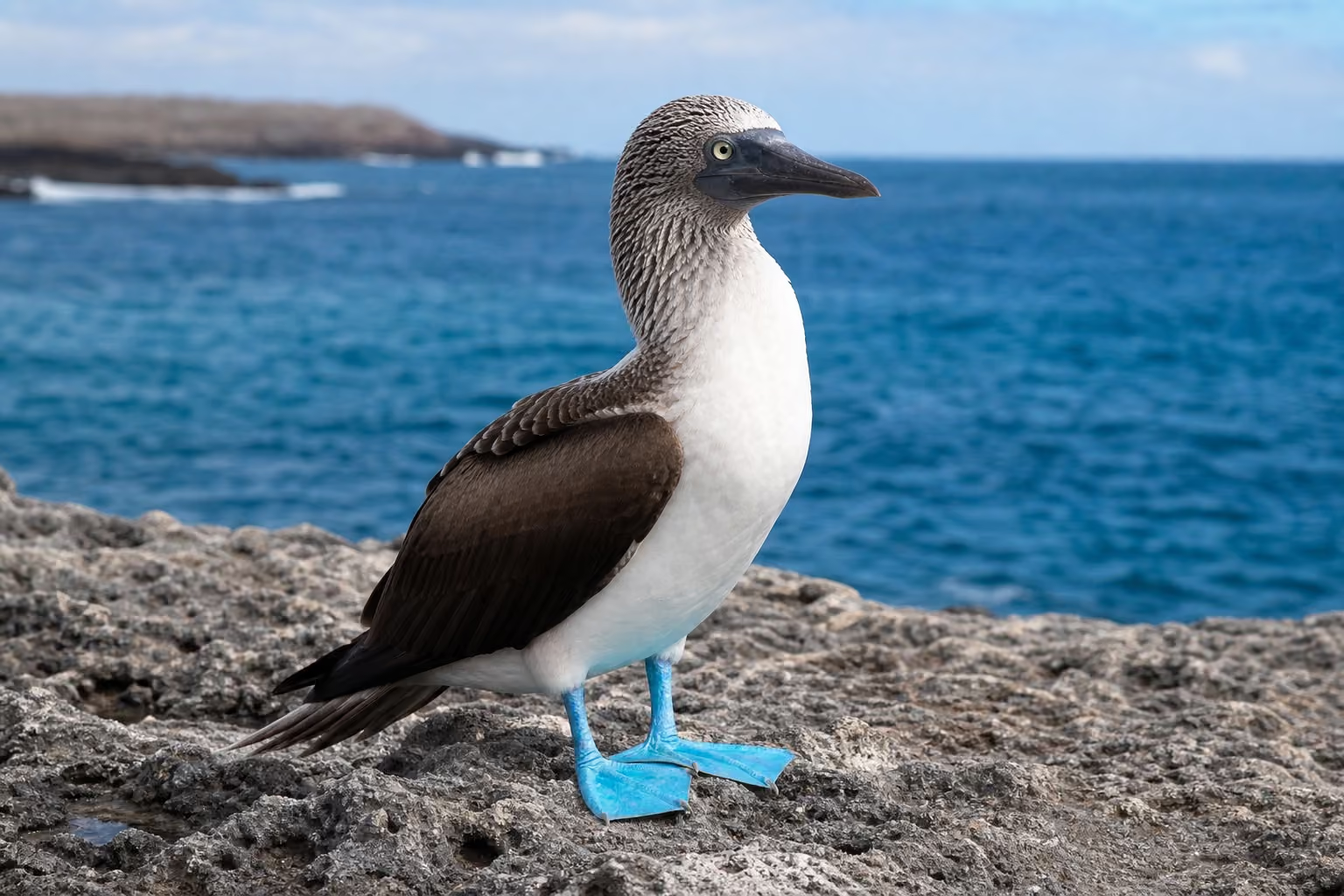
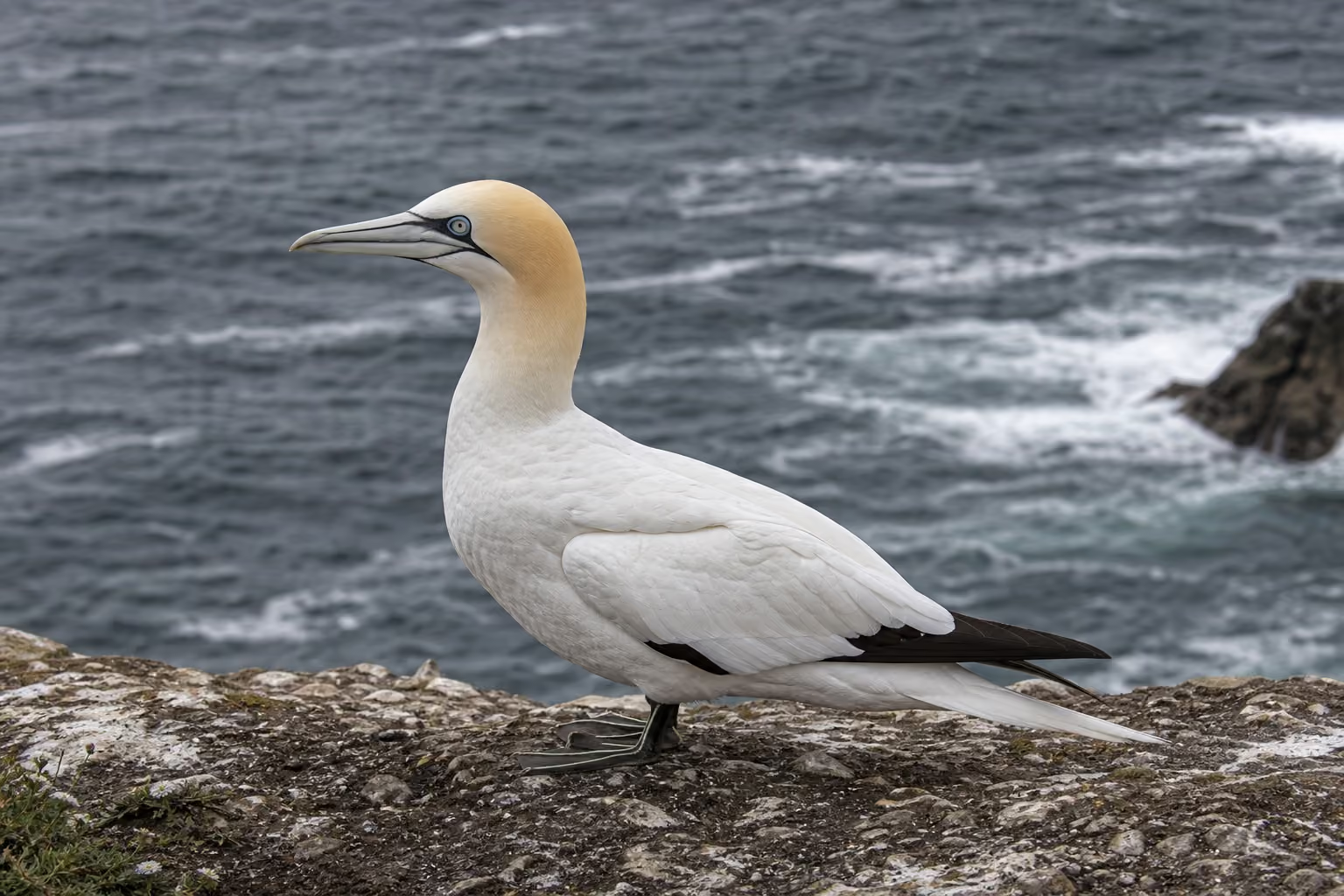
Bright red feet, a slender body, and long wings are distinctive. Plumage varies from white to brown morphs.

Behavior

It ranges far over open ocean and feeds in groups. Unlike many boobies, it commonly perches and nests in trees or shrubs.

Feeding

Flying fish, squid, and small fish are caught near the surface or in shallow plunge-dives.

Reproduction

A stick nest is built in a tree or shrub, and one egg is laid. Parents share incubation and regurgitate fish or squid to the chick.

Notes

Tree nesting sets it apart from many boobies, but island predators and nesting-site disturbance remain risks.