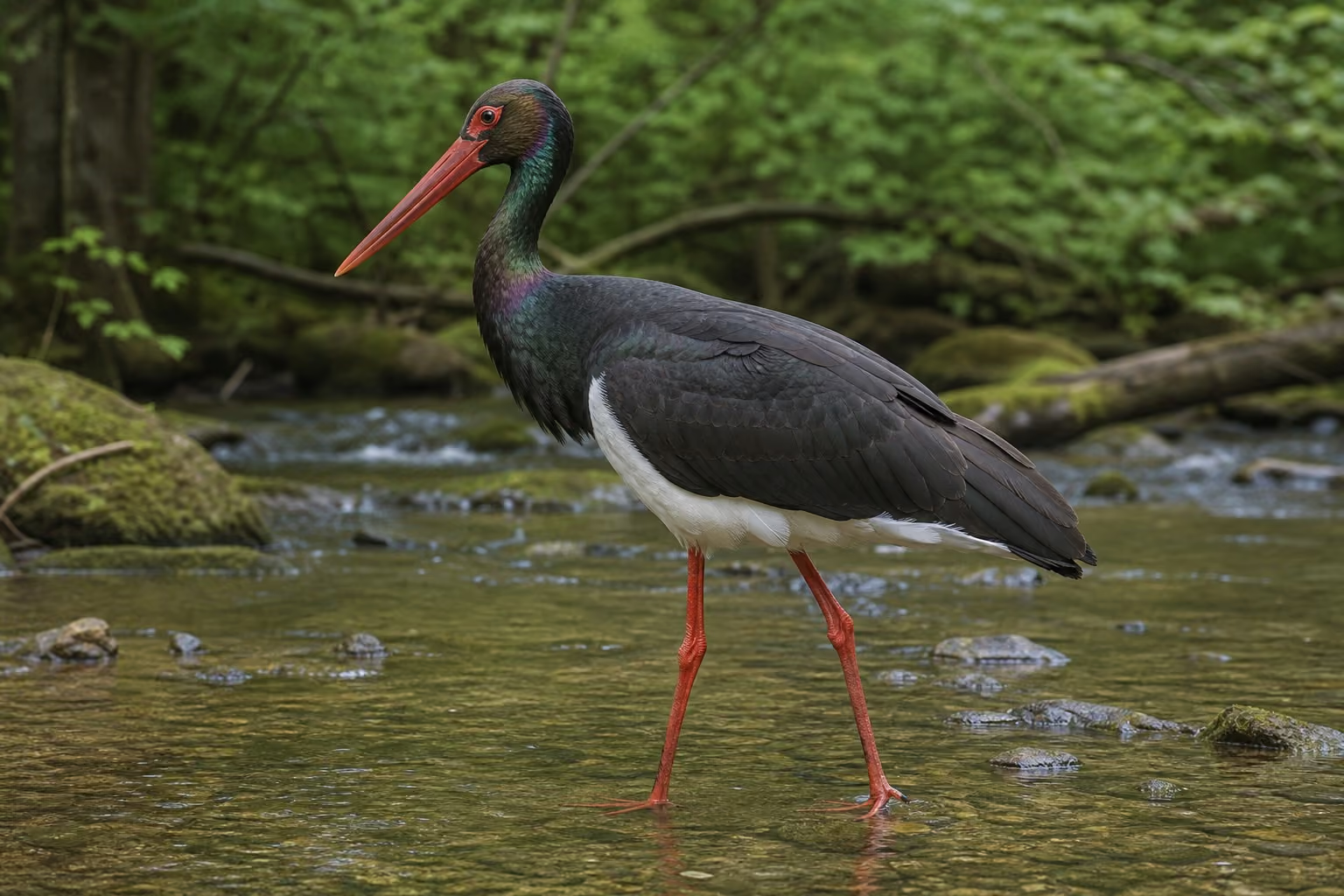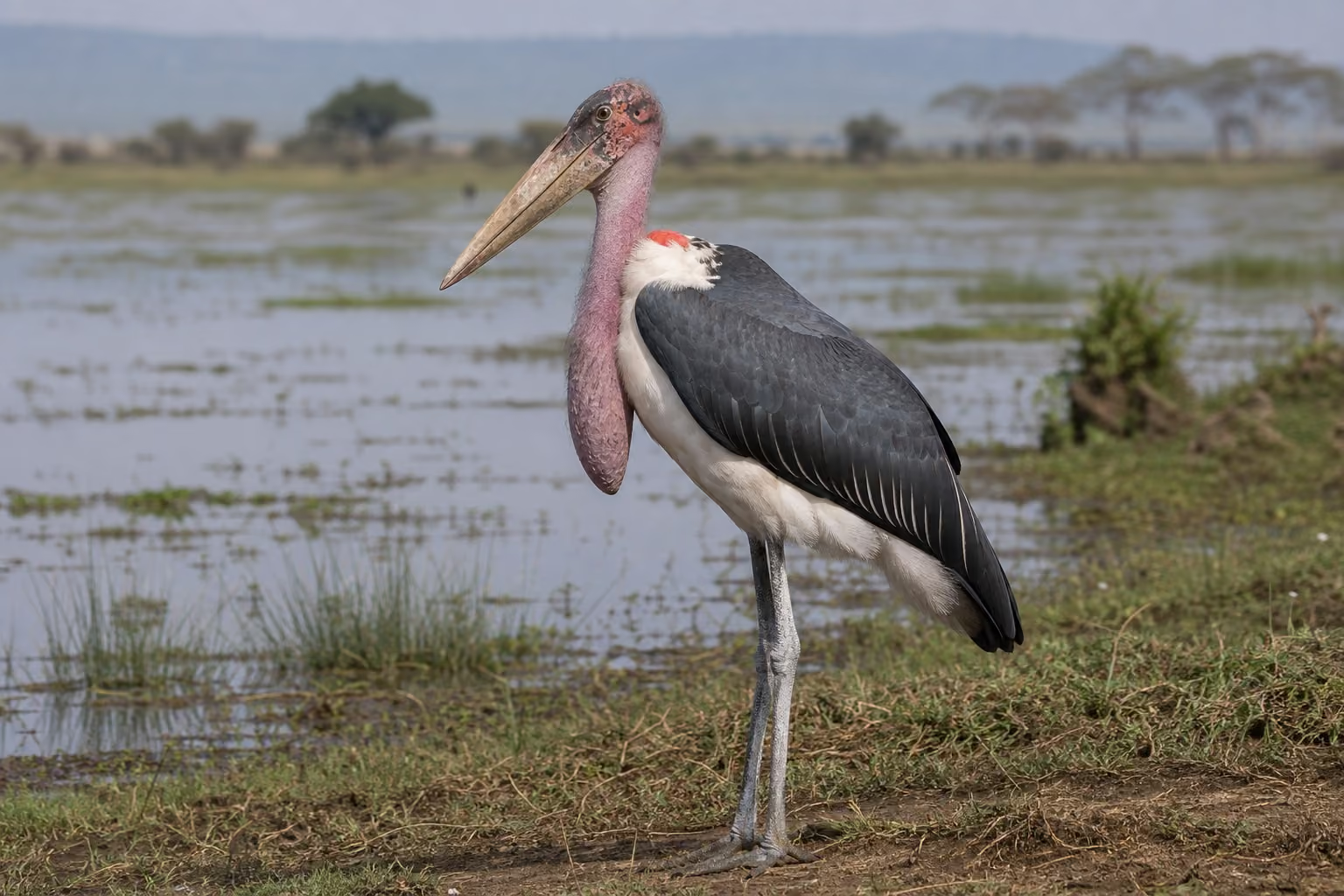
Marabou stork

Details

Marabou stork

Leptoptilos crumenifer

Size
1.2–1.5 m · 4.5–9 kg
Diet
Omnivore
Activity
Diurnal
Sociality
Loose group
Lifespan

A huge sub-Saharan stork with a bare head, heavy bill, and throat pouch, well known as both scavenger and wetland hunter.

View in catalog
Key facts

  • Marabou stork (Leptoptilos crumenifer) is an omnivore animal classified as Bird · Ciconiiformes · Ciconiidae.
  • Primary habitats are savanna · freshwater · grassland, with a range across Afrotropical.
  • Activity is diurnal, sociality is loose group, and conservation status is LC (Least Concern).
  • A huge sub-Saharan stork with a bare head, heavy bill, and throat pouch, well known as both scavenger and wetland hunter.
  • Uses savannas, wetlands, lakeshores, river edges, and rubbish dumps, adapting readily to areas near people.

Range

Habitat range map
Native rangeOccasional / Transient
AfrotropicalAfrotropicalAfrotropicalAfrotropical

Map: Ecoregions 2017 © RESOLVE (CC BY 4.0) · Natural Earth (PD)

Details

Habitat

Uses savannas, wetlands, lakeshores, river edges, and rubbish dumps, adapting readily to areas near people.

Appearance

The head and neck are bare, the back is dark, and the belly is white. A massive bill and hanging throat pouch are distinctive.

Behavior

It gathers with vultures at carcasses, but also hunts fish and small animals near water. Large groups may roost together.

Feeding

It eats carrion, fish, frogs, insects, eggs, young birds, and human refuse.

Reproduction

Adults build stick nests in trees and may breed in colonies. Chicks are fed regurgitated fish and small animals.

Notes

As a scavenger it helps recycle organic matter, while in towns it often lives in close contact with people.