Hazel dormouse

Details

Hazel dormouse

Muscardinus avellanarius

Size
6–9 cm · 15–40 g
Diet
Omnivore
Activity
Nocturnal
Sociality
Solitary
Lifespan

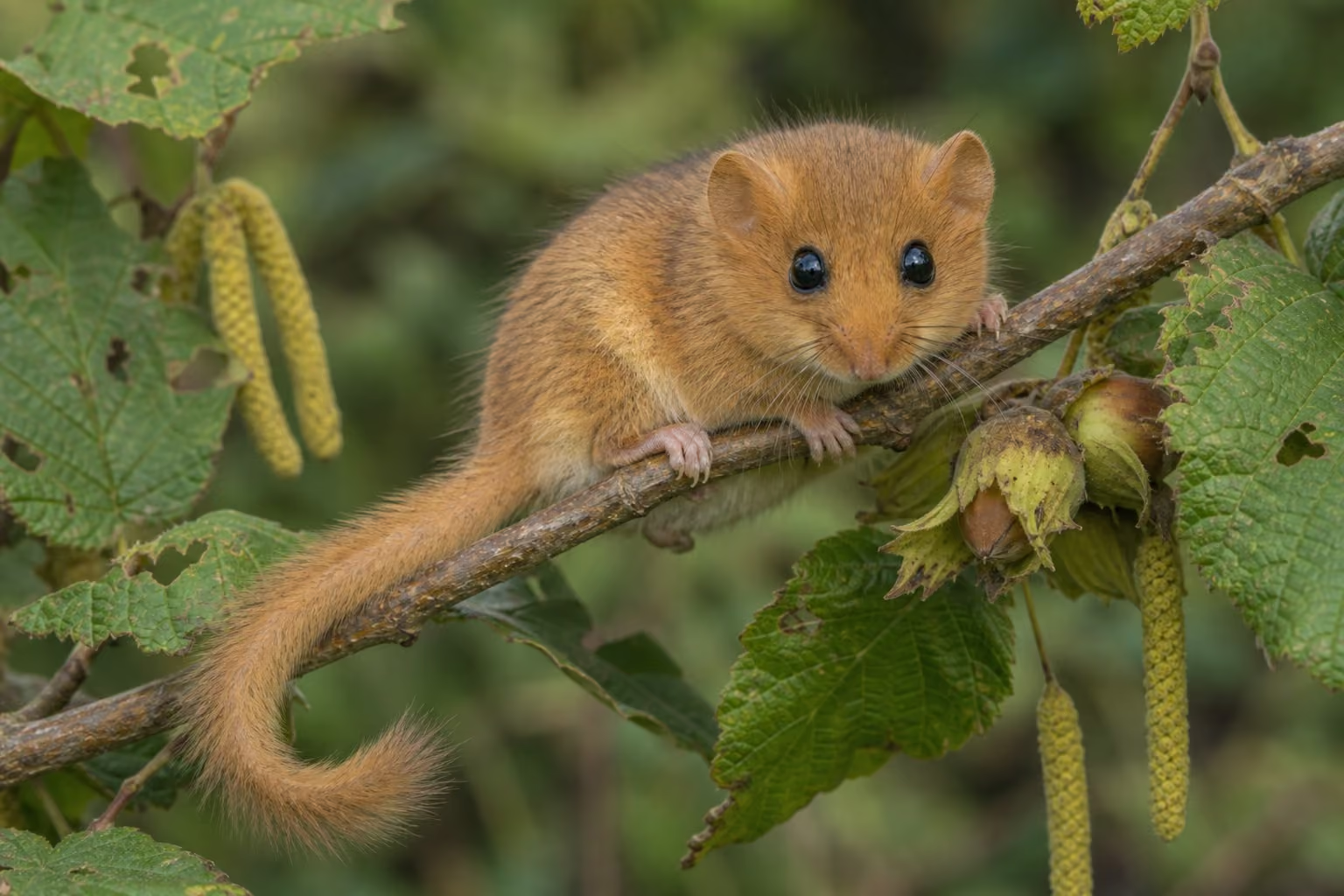
Hazel dormouse is a tiny European dormouse of scrub and woodland that spends long periods in hibernation. Loss of hedgerows and woodland connectivity can isolate populations.

View in catalog
Key facts

  • Hazel dormouse (Muscardinus avellanarius) is an omnivore animal classified as Mammal · Rodentia · Gliridae.
  • Primary habitats are forest · grassland, with a range across Palearctic.
  • Activity is nocturnal, sociality is solitary, and conservation status is LC (Least Concern).
  • Hazel dormouse is a tiny European dormouse of scrub and woodland that spends long periods in hibernation.
  • It lives in deciduous woodland, scrub, hedgerows, and dense woodland edges across Europe.

Range

Habitat range map
Native rangeOccasional / Transient
PalearcticPalearcticPalearcticPalearcticPalearcticPalearcticPalearcticPalearcticPalearcticPalearcticPalearcticPalearcticPalearcticPalearcticPalearcticPalearcticPalearcticPalearcticPalearcticPalearcticPalearcticPalearcticPalearcticPalearctic

Map: Ecoregions 2017 © RESOLVE (CC BY 4.0) · Natural Earth (PD)

Details

Habitat

It lives in deciduous woodland, scrub, hedgerows, and dense woodland edges across Europe. Main habitat types in this guide are forest, grassland.

Appearance

Typical length 6-9 cm, weight 15 g-40 g. Round ears, golden-brown fur, a furry tail, and large dark eyes are distinctive.

Behavior

It is nocturnal and usually solitary. It moves through branches and vines and hibernates near the ground in cold months.

Feeding

It is omnivorous. Flowers, pollen, fruit, nuts, and insects are eaten seasonally.

Reproduction

Young are raised in round woven nests of grass and leaves.

Notes

Although still widespread in places, it remains sensitive to habitat change. Loss of hedgerows and woodland connectivity can isolate populations.