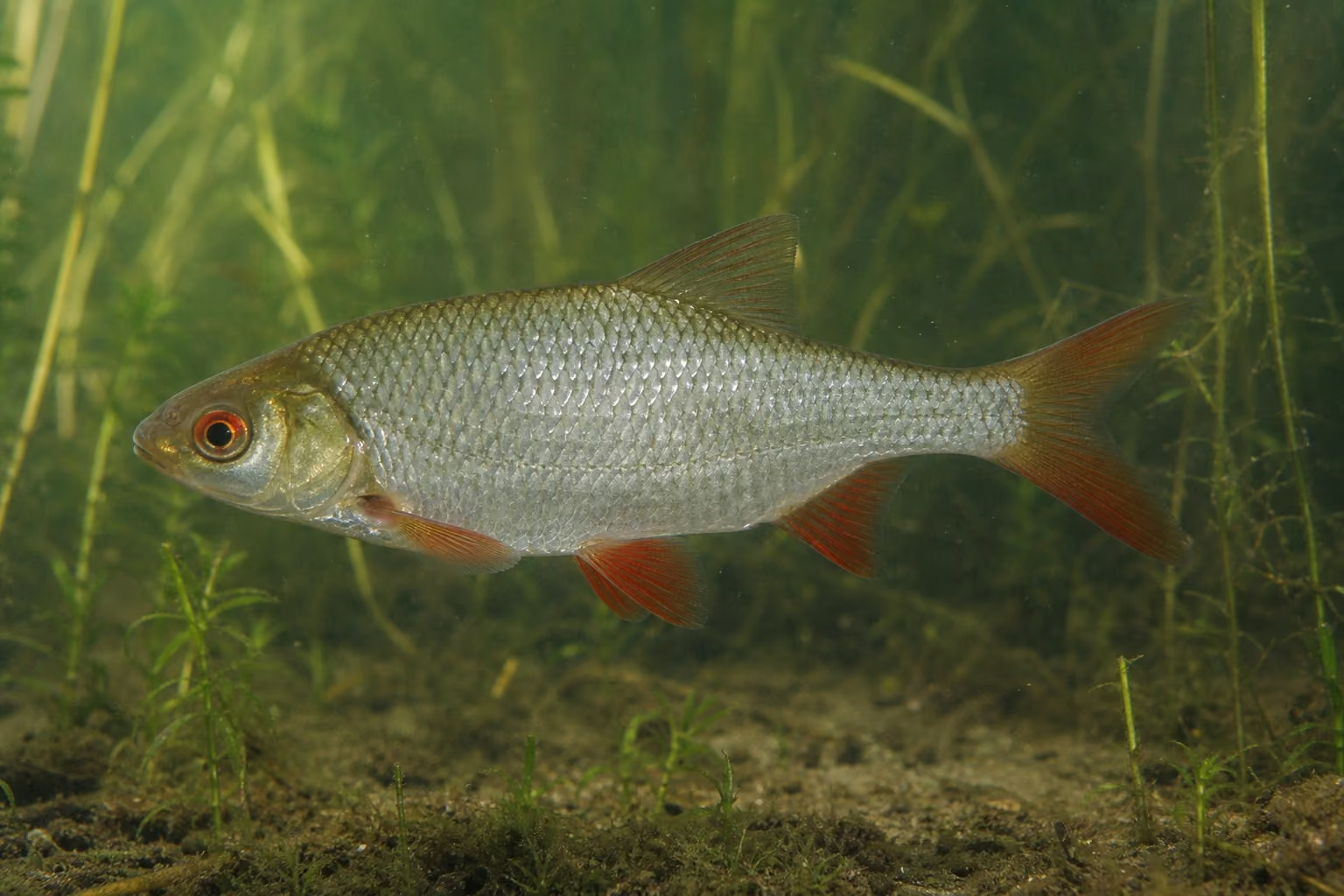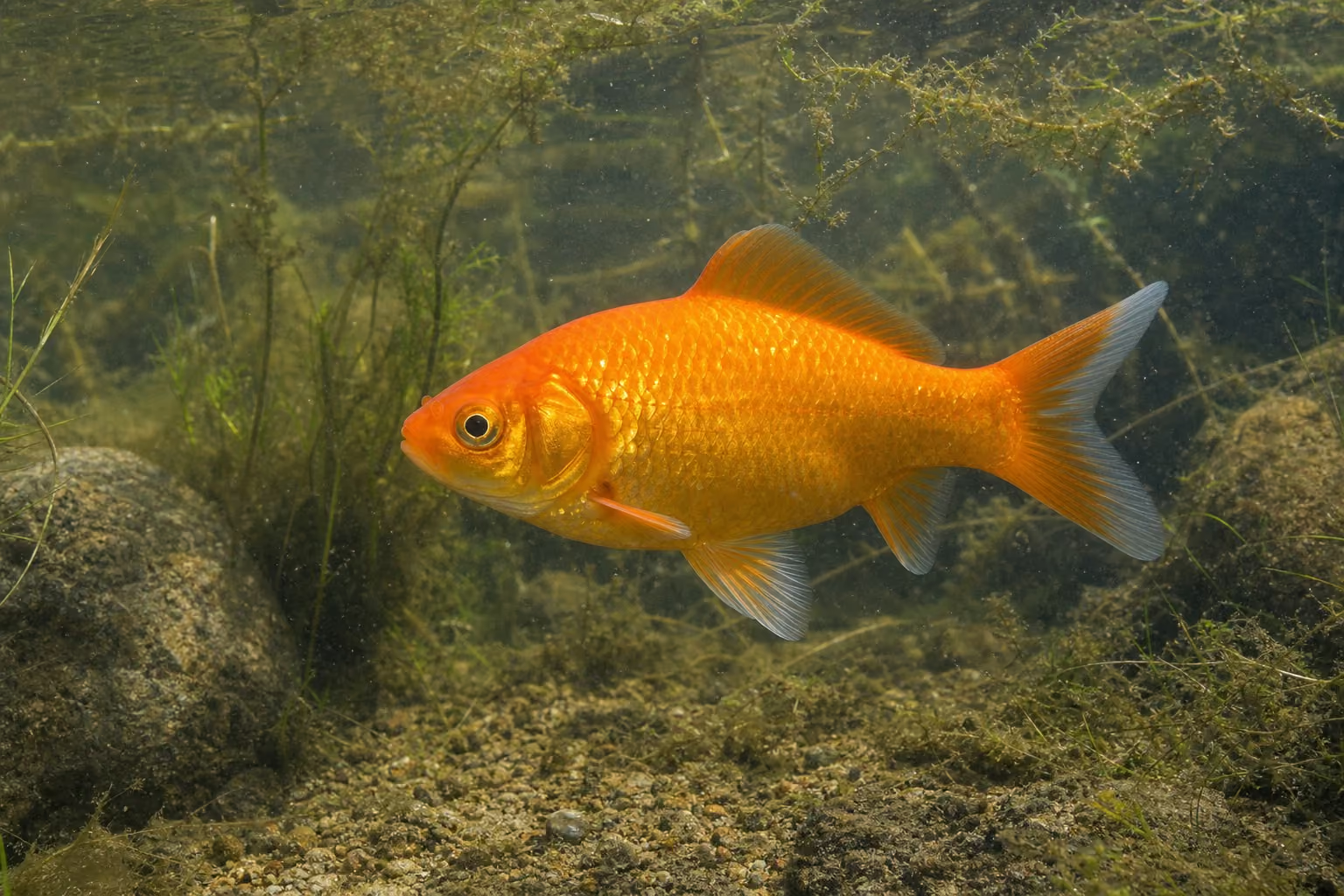
Goldfish

Details

Goldfish

Carassius auratus

Size
10–35 cm · 0.1–1 kg
Diet
Omnivore
Activity
Cathemeral
Sociality
Loose group
Lifespan
5-20 years

The goldfish is a freshwater carp relative derived from Palearctic stock. Omnivorous and active across day and night, it browses plants and small animals in quiet water.

View in catalog
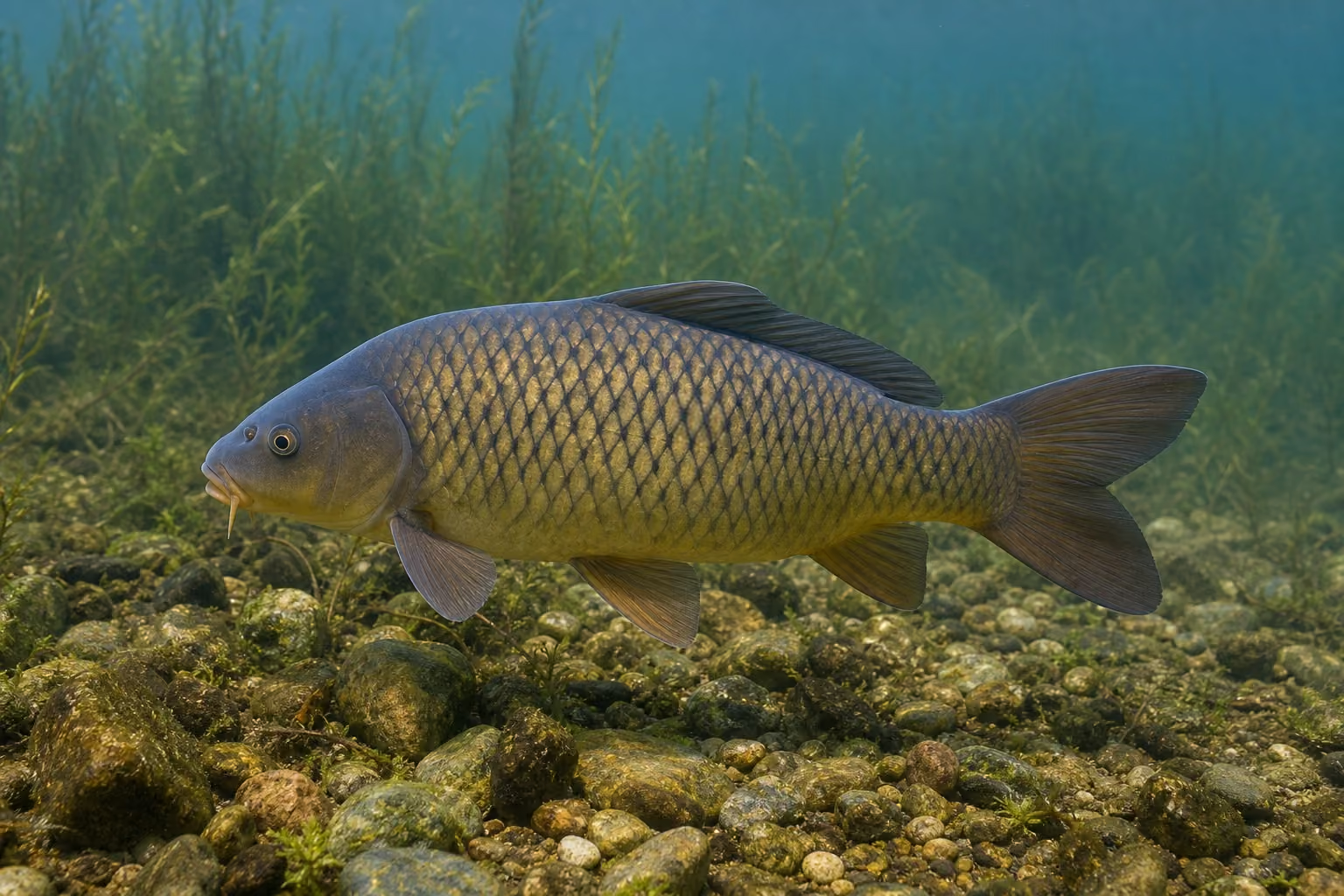
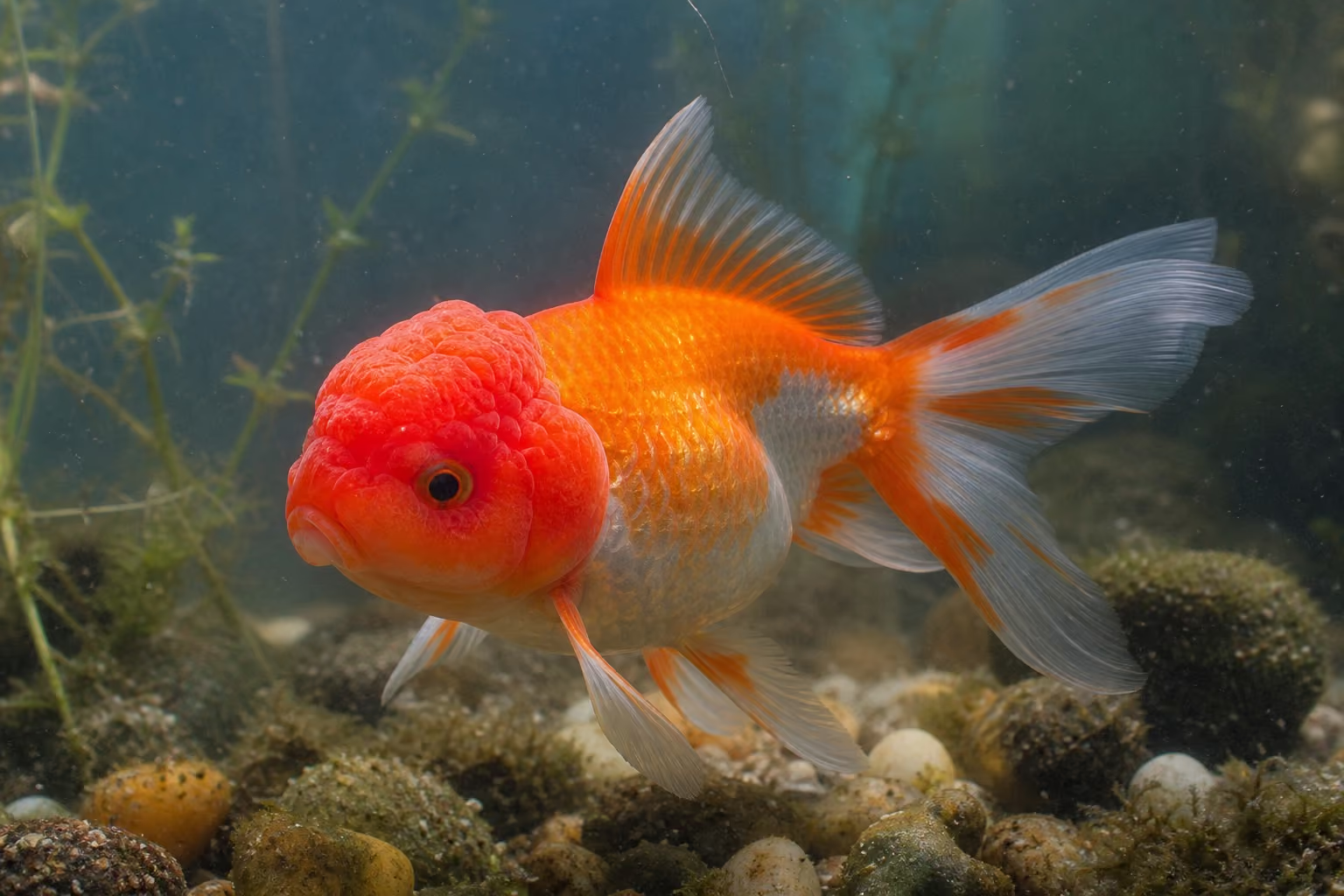
Key facts

  • Goldfish (Carassius auratus) is an omnivore animal classified as Fish · Cypriniformes · Cyprinidae.
  • Primary habitats are freshwater, with a range across Palearctic.
  • Activity is cathemeral, sociality is loose group, and conservation status is LC (Least Concern).
  • The goldfish is a freshwater carp relative derived from Palearctic stock.
  • It adapts to ponds, lakes, canals, and slow freshwater.
  • Typical lifespan: 5-20 years

Range

Habitat range map
Native rangeOccasional / Transient
PalearcticPalearcticPalearcticPalearcticPalearcticPalearcticPalearcticPalearcticPalearcticPalearcticPalearcticPalearcticPalearcticPalearcticPalearcticPalearcticPalearcticPalearcticPalearcticPalearcticPalearcticPalearcticPalearcticPalearctic

Map: Ecoregions 2017 © RESOLVE (CC BY 4.0) · Natural Earth (PD)

Details

Habitat

It adapts to ponds, lakes, canals, and slow freshwater. Vegetated, muddy, still water provides easy foraging and shelter.

Appearance

Length is about 10-35 cm and weight about 50-1000 g. Wild-type fish are subdued in color, while domestic forms range through red, white, black, gold, and many body shapes.

Behavior

Goldfish swim in loose groups and spend much time nosing through bottom material and plants. In stable conditions they feed by day and night.

Feeding

It is omnivorous, eating algae, aquatic plants, insect larvae, small crustaceans, and organic debris. The mouth sifts fine food from the bottom.

Reproduction

Spawning occurs in warm seasons among shallow aquatic vegetation. Eggs stick to plants, and fry begin on tiny planktonic foods.

Notes

Its status is listed as Least Concern. Centuries of selection produced many forms, but releases into natural waters can affect local ecosystems.