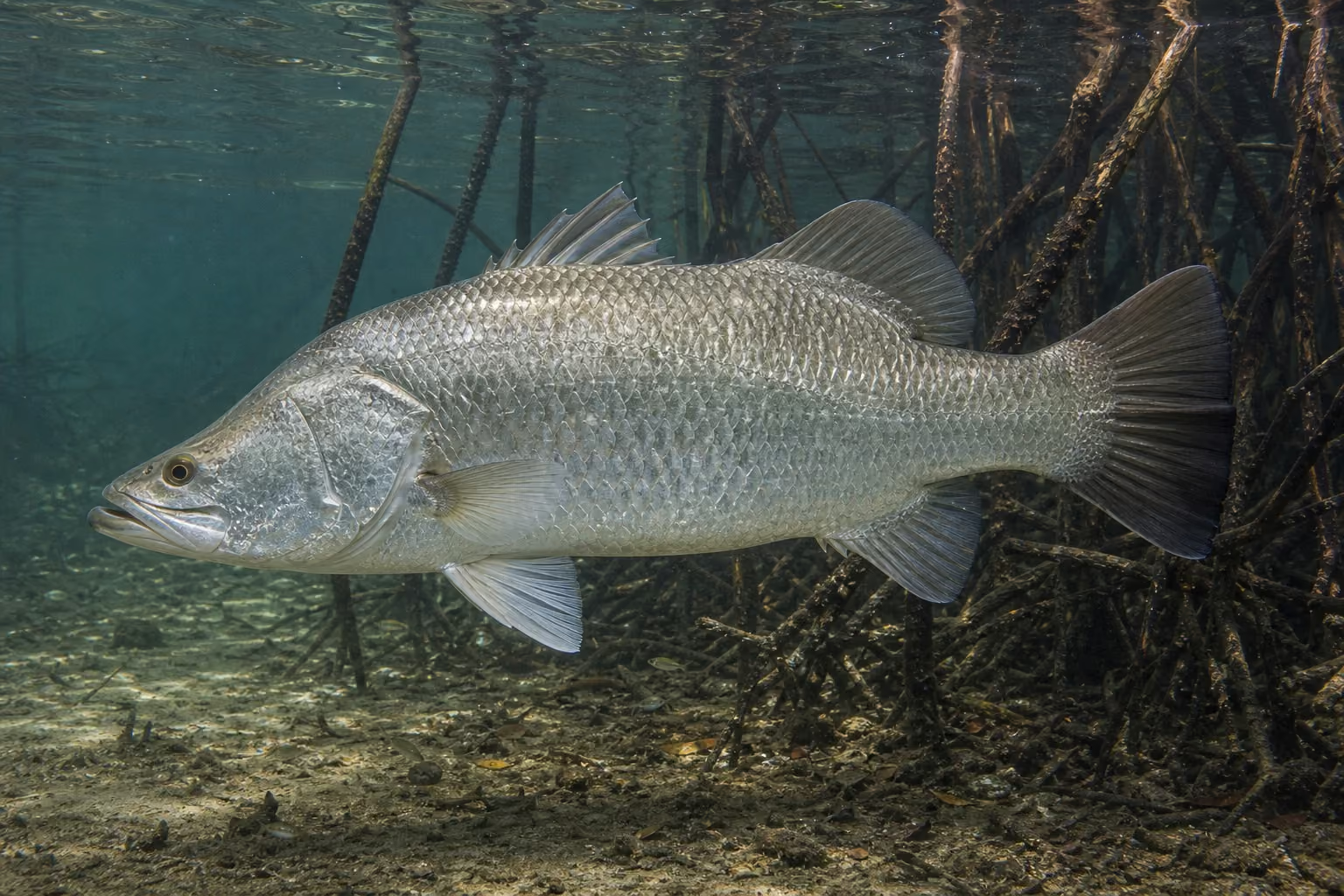
Barramundi

Details

Barramundi

Lates calcarifer

Size
0.5–1.8 m · 3–60 kg
Diet
Carnivore
Activity
Cathemeral
Sociality
Solitary
Lifespan

Barramundi is a large predatory fish that moves between fresh and coastal waters and supports major fisheries. It is important in aquaculture and sport fishing but is affected by river and wetland change.

View in catalog
Key facts

  • Barramundi (Lates calcarifer) is a carnivore animal classified as Fish · Carangiformes · Latidae.
  • Primary habitats are freshwater · coast · open ocean, with a range across Indomalayan · Australasian.
  • Activity is cathemeral, sociality is solitary, and conservation status is LC (Least Concern).
  • Barramundi is a large predatory fish that moves between fresh and coastal waters and supports major fisheries.
  • It lives in rivers, estuaries, mangroves, and coastal waters of the Indo-Pacific.

Range

Habitat range map
Native rangeOccasional / Transient
IndomalayanIndomalayanIndomalayanIndomalayanIndomalayanIndomalayanIndomalayanIndomalayanIndomalayanIndomalayanIndomalayanIndomalayanIndomalayanIndomalayanIndomalayanAustralasianAustralasianAustralasianAustralasianAustralasianAustralasianAustralasianAustralasianAustralasianAustralasianAustralasianAustralasianAustralasianAustralasianAustralasianAustralasianAustralasian

Map: Ecoregions 2017 © RESOLVE (CC BY 4.0) · Natural Earth (PD)

Details

Habitat

It lives in rivers, estuaries, mangroves, and coastal waters of the Indo-Pacific. Main habitat types in this guide are freshwater, coast, ocean.

Appearance

Typical length 50-180 cm, weight 3 kg-60 kg. A large mouth, silvery body, high back, and powerful tail are typical.

Behavior

It is active in repeated bouts across day and night and usually solitary. It shifts between rivers and sea with age and salinity, ambushing prey from cover.

Feeding

It is carnivorous. Fish, shrimp, crabs, and small animals are swallowed whole.

Reproduction

Spawning often occurs near estuaries or coasts, with juveniles entering freshwater habitats.

Notes

Although still widespread in places, it remains sensitive to habitat change. It is important in aquaculture and sport fishing but is affected by river and wetland change.