Atlantic herring

Details

Atlantic herring

Clupea harengus

Size
20–45 cm · 0.1–1.1 kg
Diet
Filter Feeder
Activity
Cathemeral
Sociality
Herd
Lifespan

A small schooling fish of the North Atlantic. Its flashing silver shoals support seabirds, larger fish, marine mammals, and long-running fisheries.

View in catalog
Key facts

  • Atlantic herring (Clupea harengus) is a filter feeder animal classified as Fish · Clupeiformes · Clupeidae.
  • Primary habitats are open ocean · coast, with a range across Atlantic Ocean · Arctic Ocean · Palearctic · Nearctic.
  • Activity is cathemeral, sociality is herd, and conservation status is LC (Least Concern).
  • A small schooling fish of the North Atlantic.
  • Lives in cold North Atlantic, North Sea, and Baltic waters.

Range

Habitat range map
Native rangeOccasional / Transient
Atlantic OceanAtlantic OceanAtlantic OceanAtlantic OceanAtlantic OceanArctic OceanArctic OceanArctic OceanPalearcticPalearcticPalearcticPalearcticPalearcticPalearcticPalearcticPalearcticPalearcticPalearcticPalearcticPalearcticPalearcticPalearcticPalearcticPalearcticPalearcticPalearcticPalearcticPalearcticPalearcticPalearcticPalearcticPalearcticNearcticNearcticNearcticNearcticNearcticNearcticNearcticNearcticNearcticNearcticNearcticNearcticNearcticNearcticNearcticNearcticNearcticNearcticNearcticNearcticNearcticNearcticNearcticNearcticNearcticNearcticNearcticNearcticNearcticNearcticNearcticNearcticNearcticNearcticNearcticNearcticNearcticNearcticNearcticNearcticNearctic

Map: Ecoregions 2017 © RESOLVE (CC BY 4.0) · Natural Earth (PD)

Details

Habitat

Lives in cold North Atlantic, North Sea, and Baltic waters. Populations move seasonally between coastal spawning grounds and offshore feeding areas.

Appearance

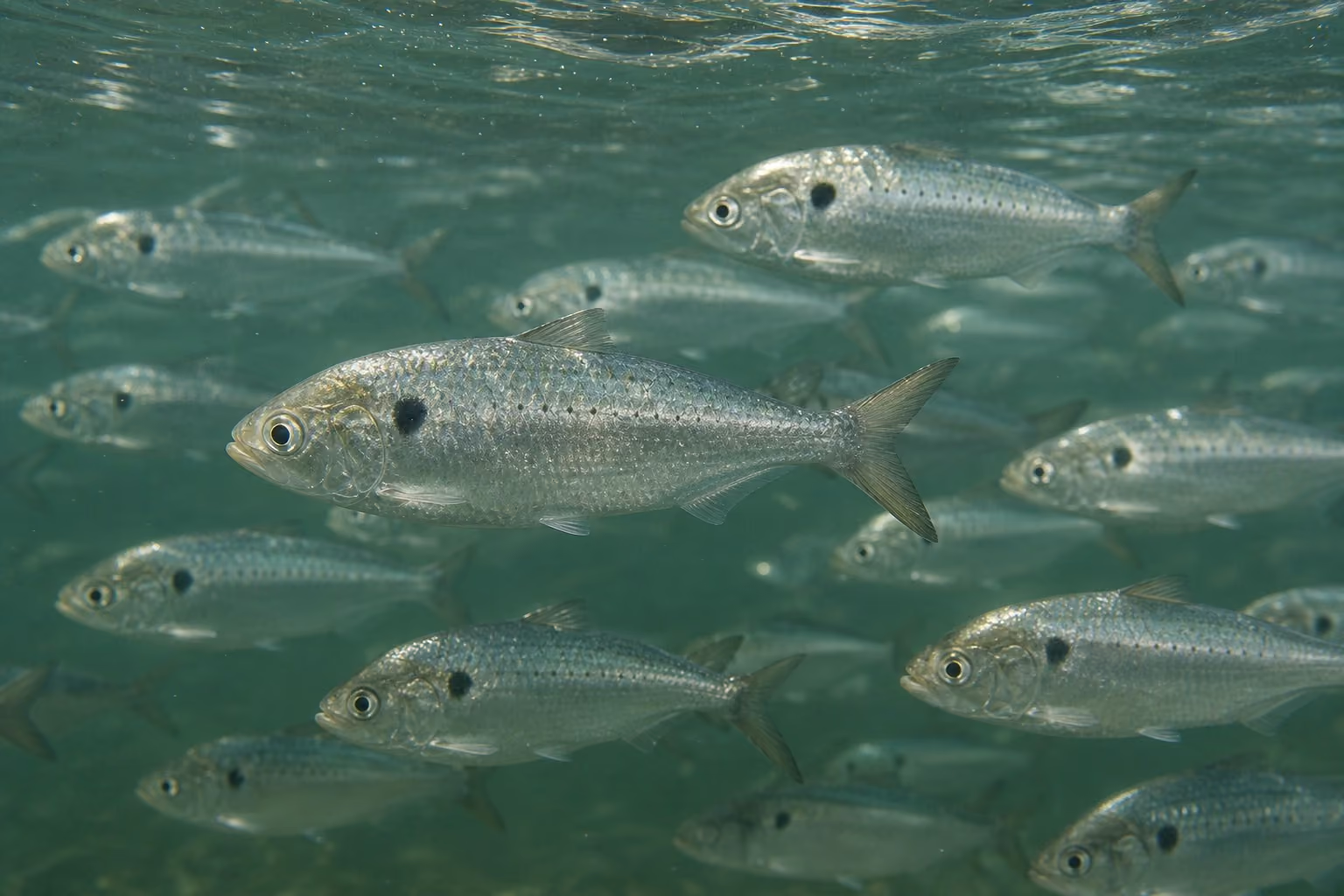
The body is slender and silvery with a bluish-green back. A keeled belly and reflective scales help blur individuals within a school.

Behavior

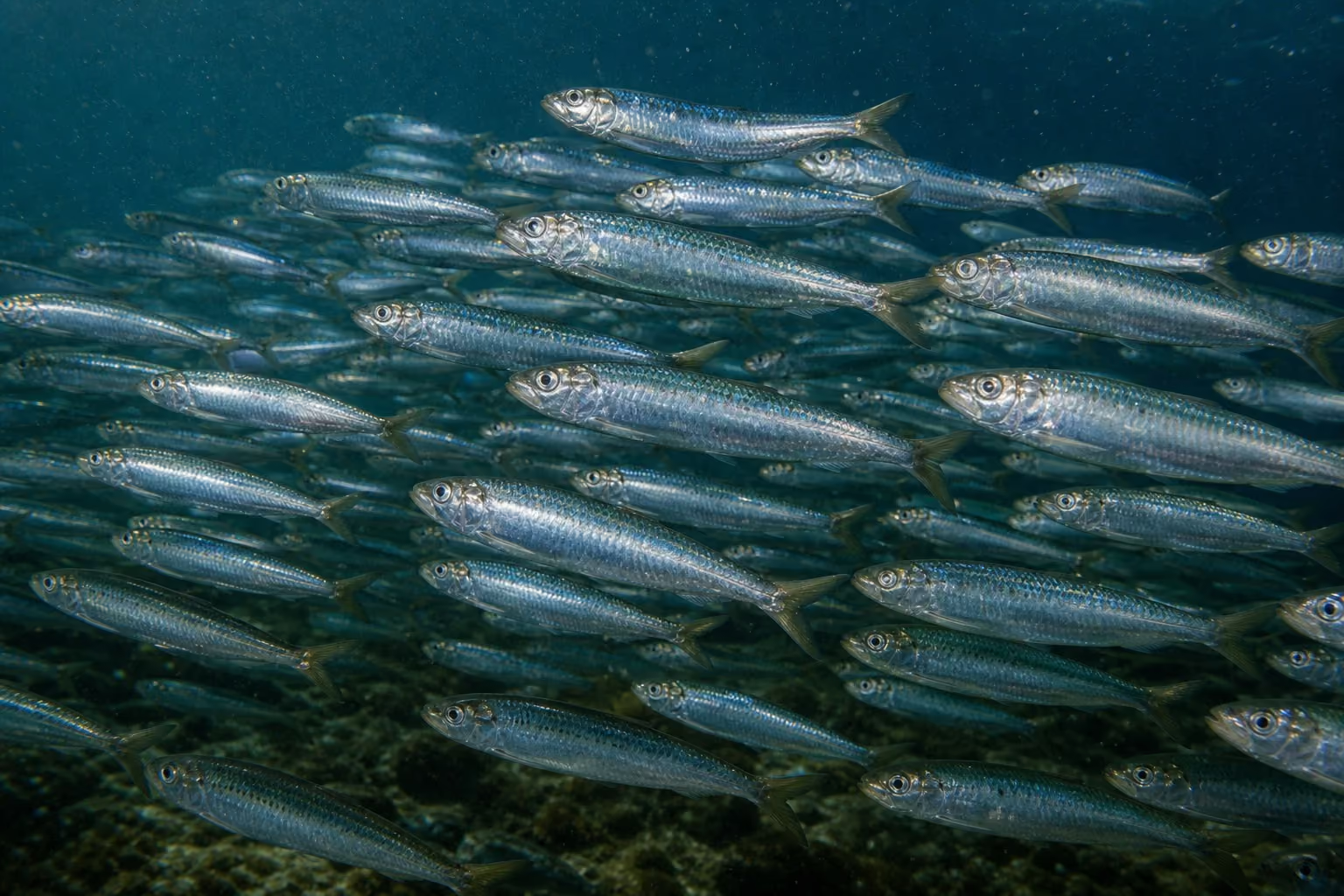
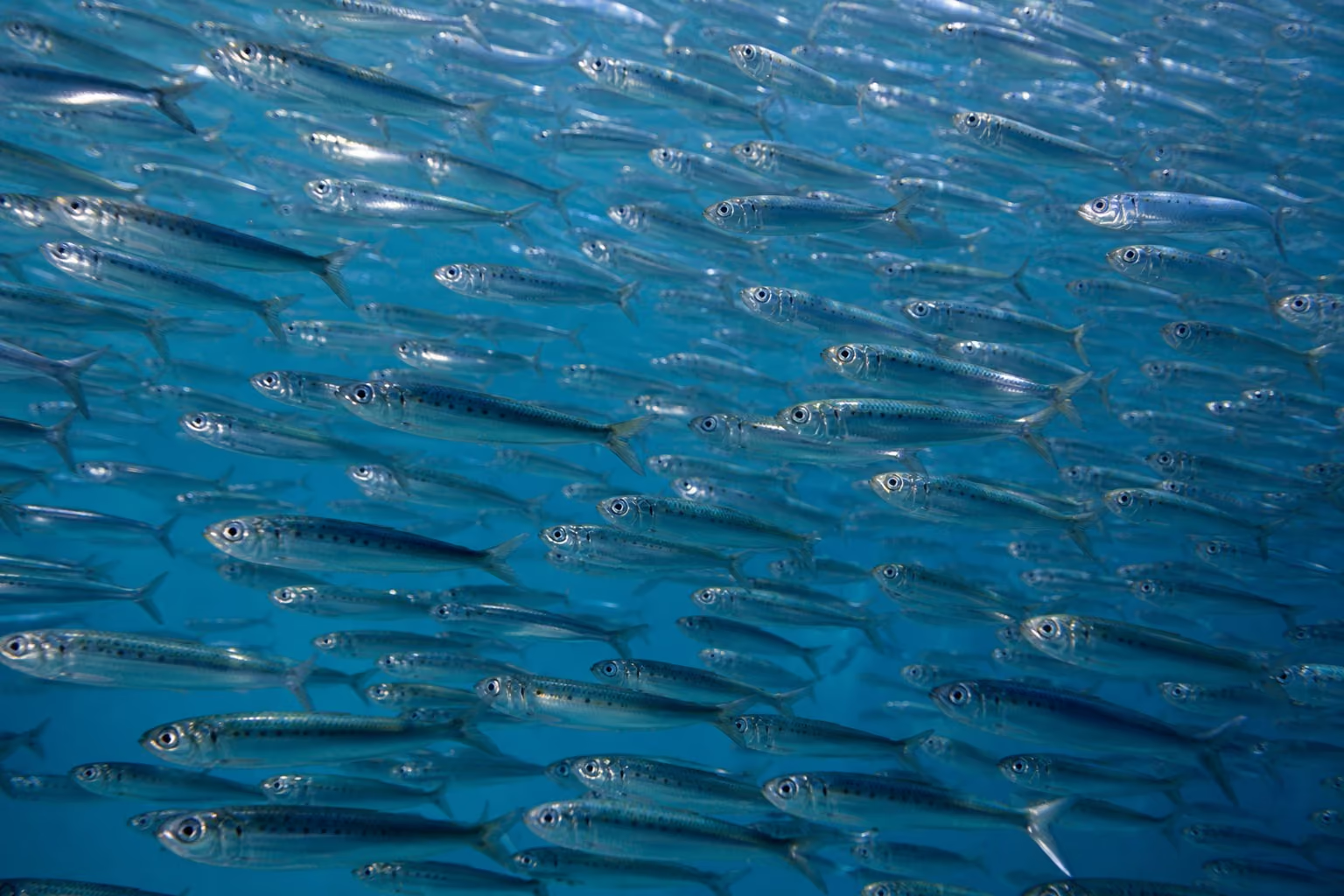
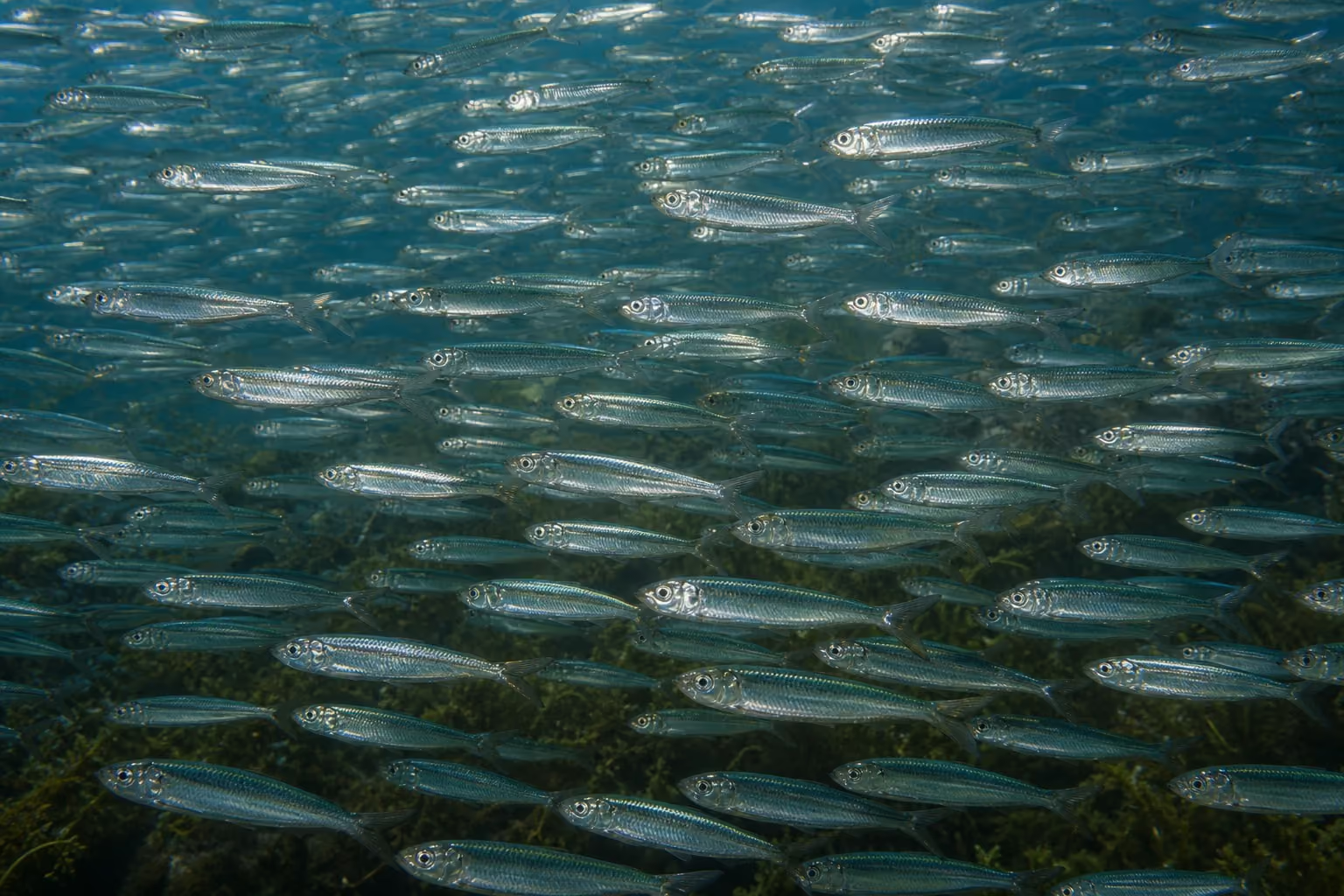
It forms large schools that shift direction together. Depth changes with light, season, and predator pressure.

Feeding

It filters plankton and small crustaceans through the gills, also taking copepods and fish eggs as it grows.

Reproduction

Adults lay masses of sticky eggs on gravel, stones, or seaweed. Larvae hatch into coastal plankton before joining juvenile schools.

Notes

Salted and smoked herring shaped food trade around the North Atlantic. Stock size depends on ocean conditions and fishing pressure.